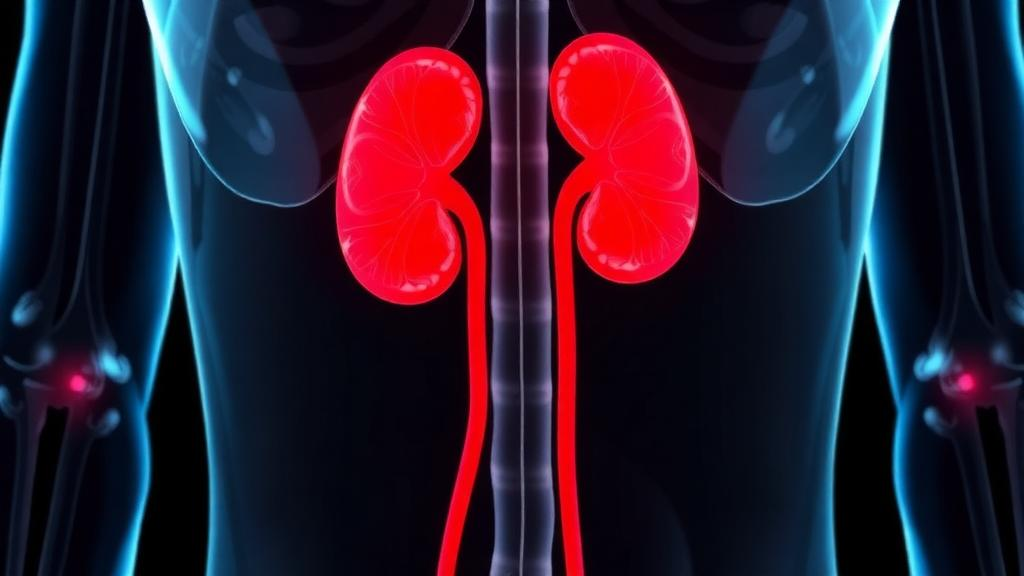
Cisplatin remains one of the most powerful weapons in oncology, a platinum-based drug that has saved countless lives from lung, head and neck, testicular and other cancers. Yet its Achilles heel has always been the kidney. A new retrospective study from Hokkaido University in Japan, published in Scientific Reports, now adds a striking twist to the story: patients who walk into the clinic with high blood pressure may be far more vulnerable to cisplatin-induced kidney damage, even when they receive the most modern kidney-protection protocols available.
The research, led by Yoshitaka Saito of the Department of Clinical Pharmaceutics and Therapeutics at Hokkaido University of Science together with colleagues at Hokkaido University Hospital, examined 244 patients with thoracic cancers who were treated with cisplatin-based chemotherapy at doses of at least 75 milligrams per square metre of body surface area. Crucially, all of these patients received what is known as the short hydration method, a streamlined fluid regimen that has rapidly become the standard of care for preventing cisplatin-induced nephrotoxicity, the clinical term for chemotherapy-driven kidney injury.
To understand why this finding matters, it helps to grasp how cisplatin attacks the kidney. After intravenous infusion, the drug is filtered by the kidneys and accumulates preferentially in the proximal tubules, the microscopic workhorses responsible for reabsorbing water, salts and nutrients. There, platinum complexes bind to cellular proteins and DNA, triggering oxidative stress, mitochondrial dysfunction and ultimately cell death. The result is a rise in serum creatinine, a waste product that healthy kidneys efficiently clear, and a corresponding drop in creatinine clearance, the standard laboratory measure of how well the kidneys are filtering blood. Clinicians track both values closely during every cycle of cisplatin therapy.
For decades, the answer to this toxicity was aggressive hydration: patients were flooded with litres of saline over many hours, sometimes with forced diuresis using diuretics, to flush the drug through the renal tubules before it could do damage. That approach works, but it is burdensome, often requiring hospital admission for a day or more per cycle. The short hydration method, by contrast, delivers a carefully calibrated volume of fluid over a much shorter window, typically a few hours around the cisplatin infusion, allowing outpatient treatment without sacrificing protection. It represents the most advanced prophylaxis currently available against cisplatin-induced nephrotoxicity.
That is precisely what makes the new result so consequential. Earlier studies had hinted that hypertension might be a risk factor for cisplatin kidney injury, but those analyses were conducted in settings where kidney protection was less rigorous, leaving open the possibility that the association was really a proxy for inadequate hydration rather than a genuine biological vulnerability. By studying a cohort that uniformly received short hydration, the Hokkaido team could test whether hypertension remains a risk factor even under optimal modern prophylaxis. The answer, according to their data, is yes.
Patients were divided into two groups: those with baseline hypertension requiring pharmacological treatment before starting chemotherapy, and a control group without hypertension. Across all treatment cycles, cisplatin-induced nephrotoxicity developed in 18.0 percent of the hypertensive patients, compared with just 6.0 percent of the controls, a threefold difference that reached statistical significance with a P value of 0.008. This comparison served as the study’s primary endpoint, and it was met decisively.
The damage was not limited to a binary yes-or-no outcome. When the researchers examined continuous measures of kidney function, they found that the maximum changes in serum creatinine from baseline were significantly worse in the hypertensive group, with a P value of 0.009, and the maximum changes in creatinine clearance were also notably worse, at P equal to 0.0496. In other words, hypertensive patients did not merely cross a laboratory threshold more often; their kidneys measurably declined further during treatment than those of their normotensive counterparts.
Because this was a retrospective, real-world study rather than a randomised trial, the investigators took careful steps to rule out confounding. They applied propensity score matching, a statistical technique that pairs hypertensive and non-hypertensive patients who share similar baseline characteristics, effectively mimicking the balance of a randomised comparison. The matched analysis reproduced the original findings. The team also repeated the analysis after excluding patients who were concurrently receiving bevacizumab, an anti-cancer antibody known to affect blood pressure and kidney function, and the results remained consistent. Together, these sensitivity analyses strengthen the conclusion that hypertension itself, and not some co-administered drug or demographic imbalance, drives the excess risk.
The biological plausibility of the finding is compelling. Chronic hypertension damages the small vessels of the kidney, causing thickening and narrowing of the arterioles that supply the glomeruli and tubules, a process known as nephrosclerosis. A kidney already operating with compromised blood flow has less physiological reserve to withstand a second insult such as cisplatin. Reduced renal perfusion may also prolong the residence time of the drug within tubular cells, increasing local exposure. In addition, many antihypertensive medications, particularly agents acting on the renin-angiotensin system, alter renal haemodynamics in ways that could interact with the dehydration and electrolyte shifts that accompany cisplatin therapy, although the study did not dissect these mechanisms in detail.
For oncologists and clinical pharmacists, the practical message is clear: baseline hypertension should be treated as a red flag when planning cisplatin-based chemotherapy under short hydration. Patients with treated hypertension may warrant closer monitoring of serum creatinine and creatinine clearance across cycles, earlier nephrology consultation, or consideration of alternative platinum agents such as carboplatin in selected cases. The authors, whose work was funded by JSPS KAKENHI grant number 26K09780 and approved by the Ethical Review Board of Hokkaido University Hospital, note that their findings identify patients with baseline hypertension as being at high risk of developing cisplatin-induced nephrotoxicity even with short hydration. As short hydration continues to spread worldwide as the default kidney-protection strategy, this study serves as a timely reminder that the best protocols still leave vulnerable patients exposed, and that personalised risk assessment, beginning with a simple blood pressure reading taken before the first infusion, may be one of the cheapest and most effective tools in modern cancer care.
Subject of Research: The association between baseline hypertension and cisplatin-induced nephrotoxicity in cancer patients receiving short hydration
Article Title: Association between baseline hypertension and cisplatin-induced nephrotoxicity in patients receiving short hydration
Article References: Association between baseline hypertension and cisplatin-induced nephrotoxicity in patients receiving short hydration. (n.d.). https://doi.org/10.1038/s41598-026-75098-8
Image Credits: AI Generated
DOI: 10.1038/s41598-026-75098-8
Keywords: cisplatin, nephrotoxicity, hypertension, short hydration, kidney injury, chemotherapy, oncology, serum creatinine, creatinine clearance, propensity score matching, thoracic cancer, clinical pharmacy
News Source: Nathaniel Bowman. (October 12, 2026). High Blood Pressure Raises Kidney Injury Risk During Modern Cisplatin Chemotherapy. Scienmag.