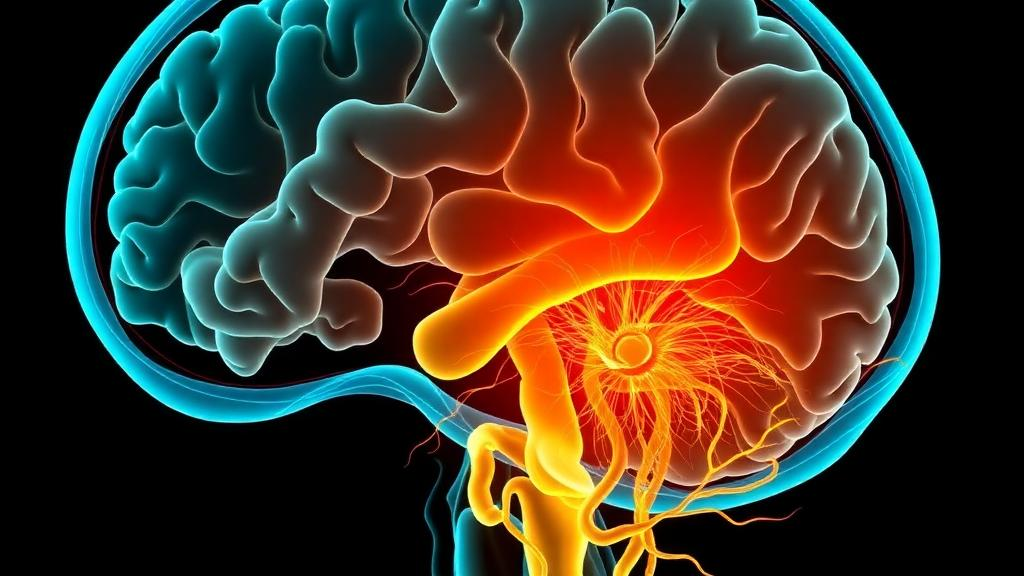
Immune checkpoint inhibitors have transformed the treatment landscape for melanoma, renal cell carcinoma, and a growing list of other malignancies, unleashing the patient’s own T cells against tumor cells by blocking inhibitory receptors such as programmed death-1 (PD-1). Yet the same biological brake-release that empowers antitumor immunity can also permit the immune system to assault healthy endocrine organs. One of the most consequential collateral targets is the pituitary gland, a pea-sized structure at the base of the brain that orchestrates the adrenal, thyroid, and reproductive axes. Inflammation of the pituitary, known as hypophysitis, is a rare but potentially life-threatening immune-related adverse event, and its clinical picture is notoriously easy to miss because the symptoms are nonspecific and overlap with both cancer-related fatigue and the effects of concurrent medications.
A new retrospective, case-based synthesis published in BMC Endocrine Disorders by JingJing Huang, Shan Pan, Deshui Zhao, and Wei Cheng of the Department of Endocrinology and Metabolism at Xiangtan Central Hospital, an affiliated hospital of Hunan University in China, now offers the most granular patient-level portrait to date of hypophysitis triggered specifically by nivolumab, a widely used anti-PD-1 monoclonal antibody. The team systematically searched PubMed, EMBASE, Web of Science, WanFang Data, and the China National Knowledge Infrastructure for reports published up to January 31, 2026, combining MeSH terms covering nivolumab, PD-1 inhibitors, and immune checkpoint inhibitors with terms for hypophysitis, pituitary inflammation, hypopituitarism, and endocrinopathy. From 2,264 records screened, the investigators distilled 38 case reports and case series containing 40 patients with sufficient clinical detail for analysis.
The demographic and oncological profile of the affected patients was strikingly consistent. The median age at onset was 62 years, with a range spanning 26 to 84 years, and 72.5 percent of the patients were male, a distribution that mirrors the sex ratio of the cancers most often treated with nivolumab. Melanoma accounted for 42.5 percent of the underlying malignancies and renal cell carcinoma for 30.0 percent, together representing nearly three-quarters of all cases. Hypophysitis emerged at a median of 20 weeks after the start of nivolumab therapy, confirming that this endocrine complication typically develops after several months of treatment rather than within the first infusions, a timing pattern that clinicians monitoring patients on extended immunotherapy schedules should keep firmly in view.
The symptomatic signature documented in the analysis underscores why the condition so often evades early detection. Fatigue was by far the most common complaint, affecting 82.5 percent of patients, followed by anorexia or nausea in 65.0 percent and hyponatremia, a dangerously low blood sodium level, in 42.5 percent. Each of these findings can be attributed to advanced malignancy, poor nutrition, or other drugs, which means that the definitive clues come from laboratory testing rather than from the bedside impression alone. Pituitary magnetic resonance imaging revealed abnormalities in 46.2 percent of the patients in whom imaging findings were reported, a reminder that a normal-appearing pituitary on MRI does not exclude the diagnosis, since the gland may be normal in size or only subtly altered even when its hormone-producing capacity has been severely compromised.
Endocrine evaluation in the pooled cases centered on the corticotropic axis, the hormonal pathway linking the hypothalamus, pituitary, and adrenal glands. The median morning cortisol measured 2.9 micrograms per deciliter and the median adrenocorticotropic hormone (ACTH) level was 38.0 picograms per milliliter, a pattern consistent with central adrenal insufficiency, in which the injured pituitary fails to drive the adrenal cortex to produce cortisol. Central hypothyroidism, in which thyroid-stimulating hormone output falls and free thyroxine drops in parallel, frequently accompanied the cortisol deficit. This preferential involvement of the corticotropic axis carries the greatest immediate danger: untreated secondary adrenal insufficiency can precipitate adrenal crisis, hypotensive shock, and death, particularly during surgical stress, infection, or dehydration. The authors emphasize that early hormonal evaluation and imaging are therefore essential whenever a patient on nivolumab develops suggestive symptoms or unexplained hyponatremia.
Management in the reported cases followed a remarkably uniform algorithm. Every one of the 40 patients received corticosteroids, which serve the dual purpose of suppressing the autoimmune inflammation within the pituitary and replacing the cortisol that the adrenal glands can no longer produce. Levothyroxine was administered to 35.0 percent of patients to correct central hypothyroidism, typically after adrenal insufficiency had been addressed, because initiating thyroid hormone replacement in a cortisol-deficient patient can precipitate adrenal crisis. Nivolumab was discontinued in 80.0 percent of cases, reflecting the seriousness with which treating oncologists weighed the endocrine toxicity against the potential continued benefit of immunotherapy. The high discontinuation rate also reflects the era of the reports, since many date from a period when the natural history of checkpoint inhibitor endocrinopathies was less well characterized.
One of the most clinically valuable findings of the synthesis concerns rechallenge. Among the 16 patients in whom nivolumab was resumed after recovery from hypophysitis, relapse of the pituitary inflammation occurred in only 18.8 percent. This observation suggests that, in carefully selected patients, continuing or restarting anti-PD-1 therapy after an episode of hypophysitis may be feasible, provided that hormone replacement is secured and the patient is monitored closely. The authors caution that such decisions demand an individualized risk-benefit assessment, weighing the aggressiveness of the underlying cancer and the availability of alternative therapies against the possibility of recurrent, potentially dangerous endocrine failure. For patients with few other options, a relapse rate below one in five may represent an acceptable trade-off when paired with vigilant surveillance.
The outcomes data carry a sobering dual message. Clinical improvement was frequent, documented in 92.5 percent of patients, indicating that prompt recognition and treatment of nivolumab-induced hypophysitis generally avert catastrophic outcomes and allow patients to recover functionally. Full hormonal recovery, however, was uncommon. In most patients the pituitary damage proved permanent, necessitating long-term, often lifelong, glucocorticoid replacement and, where relevant, continued levothyroxine therapy. This chronicity transforms hypophysitis from an acute oncological complication into a durable endocrine disease requiring coordinated follow-up between oncologists and endocrinologists, with periodic reassessment of the cortisol and thyroid axes and patient education about stress-dose steroid coverage during illness or surgery.
The study’s design imposes important caveats that the authors themselves acknowledge implicitly through their framing. A retrospective synthesis of published case reports and case series is vulnerable to publication bias, since clinicians are more likely to report unusual or severe presentations than routine ones, and the 40 patients represent a small denominator relative to the large global population exposed to nivolumab. Case reports also lack standardized protocols for hormone testing, imaging timing, steroid dosing, and rechallenge decisions, so heterogeneity across the source documents limits the precision of pooled estimates. Nevertheless, patient-level synthesis of this kind is often the only practical way to characterize rare adverse events, and the consistency of the findings here, particularly the corticotropic predominance, the median 20-week onset, and the favorable rechallenge experience, provides a coherent evidence base that randomized data are unlikely to deliver for such an uncommon toxicity.
For the expanding community of patients receiving checkpoint inhibitors, the practical takeaway is vigilance. Fatigue, loss of appetite, nausea, or a low sodium level arising weeks to months into nivolumab therapy should prompt measurement of morning cortisol and ACTH alongside thyroid function, with pituitary MRI reserved for cases where the laboratory pattern supports central endocrine failure or where visual symptoms or severe headache raise concern for pituitary enlargement. As immunotherapy moves into earlier disease stages and adjuvant settings, the number of patients exposed over long periods will continue to grow, making the recognition patterns codified in this analysis increasingly relevant to everyday oncology and endocrine practice. The Xiangtan Central Hospital team’s work thus fills a genuine gap, converting scattered anecdote into a structured clinical map of a rare but manageable complication of one of modern medicine’s most powerful anticancer drug classes.
Subject of Research: Clinical characteristics and management of hypophysitis induced by the PD-1 inhibitor nivolumab
Article Title: Clinical characteristics and management of nivolumab-induced hypophysitis: retrospective analysis based on case reports
Article References: Huang, J., Pan, S., Zhao, D., & Cheng, W. (2026). Clinical characteristics and management of nivolumab-induced hypophysitis: retrospective analysis based on case reports. BMC Endocrine Disorders. https://doi.org/10.1186/s12902-026-02447-z
Image Credits: AI Generated
DOI: 10.1186/s12902-026-02447-z
Keywords: nivolumab, hypophysitis, immune checkpoint inhibitor, PD-1, immune-related adverse events, pituitary gland, central adrenal insufficiency, ACTH, corticosteroids, melanoma, renal cell carcinoma, endocrinopathy
News Source: Nathaniel Bowman. (October 11, 2026). When Cancer Immunotherapy Attacks the Pituitary: Largest Case-Based Analysis Maps Nivolumab-Induced Hypophysitis. Scienmag.