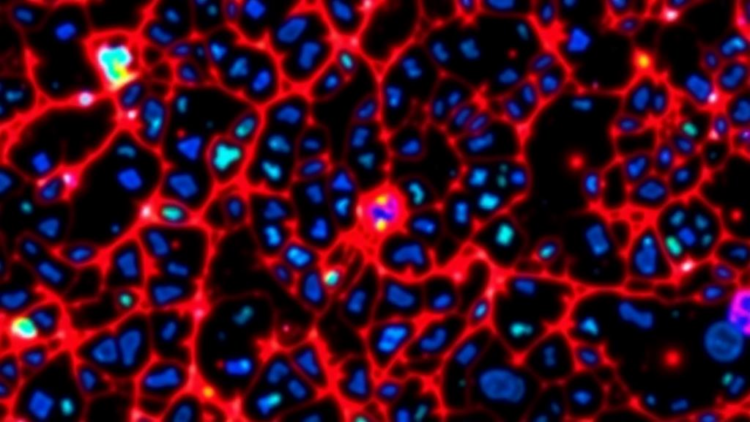
Meningiomas are the most common primary tumors of the central nervous system, arising from arachnoid cap cells on the inner surface of the dura mater and accounting for roughly 36 percent of all primary CNS tumors. Most are benign and grow slowly, yet their biological behavior spans a wide spectrum, and the World Health Organization grades them from 1 to 3 according to aggressiveness and growth rate. A new exploratory study published in the Journal of Neuro-Oncology has now examined whether two molecules with well-established roles in tumor immunology, the ectonucleotidase CD73 and the immune checkpoint ligand PD-L1, differ between WHO grade 1 and grade 2 meningiomas, offering one of the first systematic looks at purinergic signaling in this frequently overlooked tumor type.
The research, led by João Victor Garcia de Souza and Débora Tavares de Resende e Silva of the Federal University of Fronteira Sul in Chapecó, Brazil, enrolled 40 patients undergoing surgical resection at two regional hospitals between June 2023 and December 2024. Of these, 27 tumors were classified as WHO grade 1 and 6 as WHO grade 2, while 7 cases could not be graded because pathology reports were unavailable in the electronic medical record. The cohort was predominantly female, with women making up 85 percent of participants, and the mean age was 52.9 years. Notably, two thirds of the grade 2 tumors occurred in patients aged 65 or older, a statistically significant age association, and systemic arterial hypertension was the most prevalent comorbidity in both groups.
The scientific rationale rests on the purinergic system, a signaling network that regulates cellular homeostasis through the controlled breakdown of extracellular ATP. The enzyme CD39, also known as ENTPD1, hydrolyzes ATP and ADP into AMP, after which CD73, encoded by the NT5E gene, converts AMP into adenosine. Adenosine is a potent immunosuppressive metabolite that can dampen anti-tumor T cell activity, and the CD39-CD73 axis has become a major focus of cancer immunotherapy research in gliomas and other brain tumors. Adenosine deaminase, or ADA, completes the circuit by degrading adenosine to inosine. Until now, however, these pathways had received scant attention in meningiomas, largely because the tumors are usually benign.
Using quantitative reverse transcription PCR on tumor tissue preserved in RNAlater, the researchers measured mRNA levels of ENTPD1/CD39, NT5E/CD73, CD274/PD-L1 and IL1B, normalizing expression to the ACTB reference gene with the 2^-ΔΔCt method. The results revealed a striking grade-associated pattern: NT5E/CD73 mRNA was approximately 2.15-fold higher in WHO grade 2 tumors than in grade 1, a difference that reached statistical significance, while CD274/PD-L1 and IL-1β transcripts were significantly reduced in the higher-grade tumors. CD39 mRNA, by contrast, showed no change between grades. Spearman correlation analysis found no significant relationships among the measured markers, suggesting the alterations vary independently across tumors.
Immunohistochemistry on paraffin-embedded tissue, quantified digitally with QuPath software across five representative fields per sample, validated the transcriptional findings at the protein level. CD73 immunostaining averaged 0.684 in grade 2 tumors compared with just 0.082 in grade 1, while PD-L1 staining averaged 0.211 in grade 1 versus 0.044 in grade 2. The discordance between PD-L1 mRNA and protein in grade 2 tumors, where the transcript was abundant but the protein scarce, points the authors toward post-transcriptional regulatory mechanisms, such as blocked translation or accelerated protein degradation, a phenomenon known in oncology as mRNA-protein discordance.
The team also looked beyond the tumor itself, measuring enzyme activities in peripheral blood lymphocytes isolated by Ficoll-Hypaque density gradient centrifugation. CD39 activity in hydrolyzing ATP was significantly elevated in grade 2 patients compared with healthy age- and sex-matched controls and compared with grade 1 patients, while CD73 activity in hydrolyzing AMP was higher in grade 2 than in grade 1. ADA activity was increased in both patient groups relative to controls, though it did not differ between grades. Plasma concentrations of six cytokines, including IFN-γ, TNF, IL-10, IL-6, IL-4 and IL-2, measured by cytometric bead array, showed non-significant trends toward higher values in grade 2 patients, with TNF coming closest to the significance threshold.
The authors are careful to frame these observations as hypothesis-generating rather than proof of mechanism. Because the study was cross-sectional, relied on small assay-specific subsets, sometimes numbering only four to six patients per group, and did not directly measure extracellular adenosine concentrations, adenosine receptor expression or downstream signaling, the findings cannot demonstrate adenosine-mediated immune evasion or tumor progression. The researchers also note that peripheral lymphocyte enzyme activity and circulating cytokines do not necessarily reflect what happens within the tumor microenvironment, and confounders such as hypertension, corticosteroid use and other medications may have influenced systemic measurements.
The PD-L1 result is particularly provocative because it diverges from earlier work. A 2015 study by Du and colleagues reported increased PD-L1 expression in anaplastic meningiomas, now classified as WHO grade 3, whereas the present cohort found lower PD-L1 in grade 2 tumors. The authors caution that grade 2 and grade 3 meningiomas are biologically distinct categories, and that differences in antibody clones, staining protocols, scoring thresholds and the relative abundance of neoplastic versus immune cells expressing PD-L1 can all shape immunohistochemical results. They argue that standardized, compartment-resolved analyses across larger cohorts are needed before any grade-dependent switch in immune-evasion strategy can be claimed.
The lower PD-L1 expression in higher-grade tumors also raises practical questions about therapy. Checkpoint inhibitor monotherapy relies on tumor-cell PD-L1 as both a target and a predictive biomarker, and the study’s findings suggest that such an approach may be less effective in WHO grade 2 meningiomas, where the ligand is scarce. Conversely, the consistent elevation of CD73 at both mRNA and protein levels in grade 2 tumors identifies it as a candidate grade-associated biomarker and provides a biological rationale for testing whether adenosinergic signaling differs between meningioma grades, though the authors stress that no treatment response, recurrence or survival data were analyzed.
For now, the study stands as an early map of purinergic and immune-related profiles in the most common primary brain tumor, drawn from a region of southern Brazil where agricultural employment was noted in a subset of patients, echoing prior reports linking farming and pesticide exposure to CNS tumor risk. The authors call for larger, longitudinal and mechanistic studies combining cell-type-resolved tissue analysis, direct adenosine measurements, immune phenotyping and clinical outcomes to determine whether CD73 can serve as a prognostic marker or a therapeutic target. Until then, the message is measured: CD73 rises and PD-L1 falls with meningioma grade, and understanding why could reshape how these tumors are monitored and treated.
Subject of Research: Purinergic signaling and immune checkpoint marker expression in WHO grade 1 and grade 2 meningiomas
Article Title: CD73 and PD-L1 expression in WHO grade 1 and grade 2 meningiomas: an exploratory analysis of purinergic and immune-related profiles
Article References: de Souza, J. V. G., Pretto, K. P., da Silva, L. V. G., Oenning, B. A. M., Pin, C., Menegassi, J., Franscescon, F., Chimelo, M. B., da Cunha, M. L. V., & de Resende e Silva, D. T. (2026). CD73 and PD-L1 expression in WHO grade 1 and grade 2 meningiomas: an exploratory analysis of purinergic and immune-related profiles. Journal of Neuro-Oncology, 179(2), Article 82. https://doi.org/10.1007/s11060-026-05786-y
Image Credits: AI Generated
DOI: 10.1007/s11060-026-05786-y
Keywords: meningioma, CD73, PD-L1, purinergic signaling, adenosine, tumor microenvironment, WHO grading, ectonucleotidases, immunotherapy, brain tumor, biomarker, Journal of Neuro-Oncology
Cite Scienmag News
APA MLA Chicago
Nathaniel Bowman. (October 2, 2026). Meningioma Study Points to CD73 as a Candidate Biomarker of Tumor Grade. Scienmag. https://scienmag.com/meningioma-study-points-to-cd73-as-a-candidate-biomarker-of-tumor-grade/
Nathaniel Bowman. “Meningioma Study Points to CD73 as a Candidate Biomarker of Tumor Grade.” Scienmag, 2 October 2026, https://scienmag.com/meningioma-study-points-to-cd73-as-a-candidate-biomarker-of-tumor-grade/. Accessed 2 October 2026.
Nathaniel Bowman. “Meningioma Study Points to CD73 as a Candidate Biomarker of Tumor Grade.” Scienmag. October 2, 2026. https://scienmag.com/meningioma-study-points-to-cd73-as-a-candidate-biomarker-of-tumor-grade/
Copy citation Download RIS
Tags: adenosinebiomarkerbiomarker discovery for meningioma aggressivenessbrain tumorCD73CD73 and PD-L1 expression in meningiomasCD73 tumor grade differentiationectonucleotidasesimmune checkpoint molecules in CNS tumorsImmunotherapyJournal of Neuro-Oncologymeningiomameningioma biomarkersmeningioma tumor progression markersmolecular characterization of meningiomasneuro-oncology tumor gradingPD-L1purinergic signalingpurinergic signaling in brain tumorssurgical resection of meningiomastumor immunology in meningiomastumor microenvironmentWHO grade 1 and 2 meningiomasWHO grading