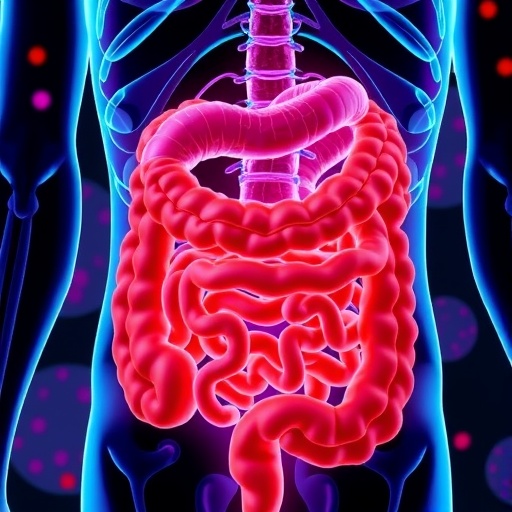
Patients with inflammatory bowel disease have long been known to face an elevated risk of blood clots, but a new review argues that this danger is far more than a passing complication of disease flares. Writing in the Journal of Molecular Medicine, a team from the University of Split School of Medicine in Croatia synthesizes the molecular evidence behind thromboinflammatory activation in Crohn’s disease and ulcerative colitis, proposing that chronic intestinal inflammation fundamentally rewires the vascular system into a proclotting state that persists beyond acute illness. The work, led by Roko Šantić and senior author Joško Božić, assembles endothelial, coagulation, platelet and fibrinolytic pathways into a single unifying framework that could reshape how clinicians think about thrombosis risk in this patient population.
Venous thromboembolism, which includes deep vein thrombosis and pulmonary embolism, has been consistently linked to inflammatory bowel disease in large population-based studies, with risk rising sharply during active disease and hospitalization. Population cohorts from Denmark, Switzerland and elsewhere have documented persistently high rates of thromboembolic disease in these patients, and thrombosis can also involve less common territories such as the portal venous system. Historically, many physicians treated these events as incidental consequences of inflammation, immobility and hospitalization. The Croatian team contends that the molecular data tell a different story: sustained systemic thromboinflammatory dysregulation, in which the gut’s chronic inflammatory signals continuously prime the vasculature toward clot formation.
At the center of this framework sits the endothelium, the single-cell lining of blood vessels that normally maintains a delicate balance between preventing clotting and enabling hemostasis when injury occurs. In inflammatory bowel disease, the authors describe a constellation of endothelial disturbances: reduced bioavailability of nitric oxide, the key vasodilating and anti-platelet molecule; increased expression of adhesion molecules; angiogenic remodeling; and disruption of the glycocalyx, the protective sugar-rich layer coating the vascular surface. Together these changes shift the vessel wall toward a proadhesive and procoagulant phenotype, transforming what should be an antithrombotic interface into a platform that recruits platelets and leukocytes and promotes fibrin deposition.
The nitric oxide story is particularly detailed in the review. Under healthy conditions, endothelial nitric oxide synthase converts the amino acid L-arginine into nitric oxide, which suppresses platelet activation, inhibits leukocyte adhesion and limits tissue factor expression, the primary initiator of blood coagulation. In inflammatory bowel disease, several mechanisms conspire to deplete this protective signal. Inflammatory cytokines induce the enzyme arginase, which competes for the same arginine substrate, reducing the raw material available for nitric oxide production. Increased arginase activity has been documented directly in intestinal microvascular cells of patients, and experimental work links arginase-driven uncoupling of nitric oxide synthase to enhanced vascular inflammation and endothelial senescence. The loss of nitric oxide removes a brake on tissue factor synthesis in both endothelial cells and monocytes, tilting the hemostatic balance further toward clotting.
Adhesion molecules provide the mechanistic bridge between vascular inflammation and thrombosis. The review highlights consistent elevations of soluble ICAM-1, VCAM-1, P-selectin and E-selectin in patients, molecules that tether circulating leukocytes and platelets to the endothelial surface. Notably, elevated levels of these molecules in quiescent patients have been shown to predict subsequent disease flares, suggesting they are not merely passive markers of inflammation but active participants in a feed-forward loop. P-selectin in particular has been implicated in venous thrombosis models, mediating platelet-leukocyte interactions that nucleate thrombus formation. The activation of the transcription factor NF-κB, a master switch of inflammatory signaling in endothelial cells, coordinates much of this adhesion molecule upregulation, directly linking cytokine signaling to thrombogenic potential.
Angiogenic remodeling represents a further, less appreciated dimension of endothelial dysfunction. Vascular endothelial growth factor, or VEGF, is elevated in inflammatory bowel disease and drives the abnormal new vessel formation characteristic of chronically inflamed mucosa. But VEGF signaling has thrombotic consequences beyond the gut wall: it induces tissue factor expression in endothelial cells through the transcription factor EGR-1, and human platelets themselves carry functional VEGF receptors. A recent meta-analysis has even identified VEGF as a biomarker for cancer-associated venous thrombosis, and real-world pharmacovigilance data show thromboembolic events linked to angiogenesis inhibitors, underscoring that angiogenic pathways and coagulation are deeply entangled. In the bowel, VEGF-A has been shown experimentally to link angiogenesis directly to inflammation, creating another route by which chronic intestinal disease feeds the systemic clotting machinery.
Parallel to these endothelial changes, the review documents profound dysregulation of the coagulation cascade itself. Thrombin generation, the final common pathway of clot formation, is measurably increased in patients with inflammatory bowel disease, and mucosal thrombin has been shown in Crohn’s disease tissue to cause inflammatory damage through protease-activated receptors, blurring the line between clotting and tissue injury. Tissue factor, the transmembrane glycoprotein that initiates coagulation, is elevated on circulating microparticles in patients, and immunohistochemical studies show robust tissue factor expression in inflamed intestinal tissue. Among the procoagulant factors, elevated factor VIII emerges as the most consistent finding, echoing its well-established role as a risk factor for recurrent venous thromboembolism in the general population. Intriguingly, gut-derived endotoxin has been shown to stimulate factor VIII secretion from endothelial cells, a mechanism documented in cirrhosis that may plausibly operate in inflammatory bowel disease, where intestinal barrier failure permits bacterial products to enter the circulation.
The endogenous braking systems of coagulation are simultaneously compromised. The protein C pathway, which degrades activated factors V and VIII and carries independent anti-inflammatory signaling functions through the endothelial protein C receptor, shows altered activity in patients. The protein C receptor also acts as a negative regulator of Th17 pathogenicity, a T cell lineage central to intestinal inflammation, hinting that anticoagulant pathways and immune regulation are more intertwined than traditionally assumed. Antithrombin, the serine protease inhibitor that neutralizes thrombin and factor Xa, similarly displays dysregulation. The fibrinolytic system, responsible for dissolving clots, shows signs of hypofibrinolysis, driven by elevated plasminogen activator inhibitor-1, itself induced by tumor necrosis factor alpha and interleukin-6 signaling in endothelial cells. Some patients even develop antibodies against tissue-type plasminogen activator, potentially interfering with clot dissolution at a functional level.
Platelets emerge in the review as far more than hemostatic cells; they are immune cells that actively amplify the thromboinflammatory loop. Activated platelets in inflammatory bowel disease release soluble CD40 ligand, which engages CD40 on endothelial cells and triggers inflammatory responses in the microvasculature. Platelet-leukocyte aggregates, formed through P-selectin binding to its leukocyte ligand PSGL-1, circulate at elevated levels in patients and serve as sensitive markers of in vivo platelet activation, delivering proinflammatory cargo to the vessel wall. Platelet-derived chemokines such as platelet factor 4, or CXCL4, are elevated and can reprogram monocytes and contribute to fibrosis. Perhaps most tellingly, the balance between von Willebrand factor, the adhesive protein that anchors platelets to damaged endothelium, and its cleaving protease ADAMTS13 is disturbed. Inflammatory cytokines suppress ADAMTS13 synthesis in hepatic stellate and endothelial cells, while inflammation drives release of ultra-large von Willebrand factor, allowing platelet-recruiting fibers to accumulate on the vascular surface, an imbalance the authors describe as a reinforcing element of the self-perpetuating inflammation-coagulation loop.
Matrix metalloproteinases add a further layer of mechanistic connectivity. These enzymes, elevated in inflammatory bowel disease, degrade extracellular matrix, cleave tissue factor pathway inhibitor, and have recently been shown to degrade the endothelial glycocalyx, the carbohydrate layer that normally anchors von Willebrand factor and shields the vessel wall. Mendelian randomization analyses have linked serum matrix metalloproteinase levels to venous thromboembolism risk, and glycocalyx shedding markers such as syndecan-1 correlate with coagulopathic responses in other inflammatory syndromes, suggesting this pathway may contribute directly to the prothrombotic vascular surface seen in inflammatory bowel disease.
Despite the strength of this mechanistic picture, the authors are careful to acknowledge its evidentiary limits. Much of the supporting data come from cross-sectional or associative studies measuring circulating biomarkers, and few prospective investigations have linked individual molecular pathways to adjudicated thrombotic events in inflammatory bowel disease-specific cohorts. The review calls for longitudinal studies that integrate vascular biomarkers with carefully documented thrombotic outcomes, work that would be essential to refine risk stratification and inform individualized thromboprophylaxis strategies. If validated, the biomarkers profiled here, from soluble adhesion molecules and von Willebrand factor to thrombin generation markers and platelet activation signatures, could identify which patients need aggressive anticoagulation prophylaxis during hospitalization and which can be managed more conservatively. For now, the message for clinicians and researchers alike is clear: thrombosis in inflammatory bowel disease should be understood not as an isolated complication of flares but as the systemic vascular expression of a chronic thromboinflammatory disease state, one that begins in the gut but is written into the molecular fabric of the blood vessels themselves.
Subject of Research: Molecular mechanisms linking inflammatory bowel disease to thromboinflammatory activation and venous thromboembolism, focusing on endothelial dysfunction, coagulation dysregulation, platelet activation and impaired fibrinolysis
Subject of Research: Medicine
Article Title: Molecular determinants of thromboinflammatory activation in inflammatory bowel disease
Article References: Šantić, R., Pavlović, N., Kumrić, M., Vilović, M., & Božić, J. (2026). Molecular determinants of thromboinflammatory activation in inflammatory bowel disease. Journal of Molecular Medicine, 104(1), Article 86. https://doi.org/10.1007/s00109-026-02693-7
Image Credits: AI Generated
DOI: 10.1007/s00109-026-02693-7
Keywords: inflammatory bowel disease, thromboinflammation, endothelial dysfunction, venous thromboembolism, coagulation dysregulation, tissue factor, platelet activation, von Willebrand factor, ADAMTS13, nitric oxide, protein C pathway, hypofibrinolysis
Cite Scienmag News
APA MLA Chicago
Ophelia Keating. (September 10, 2026). Blood-clotting inflammation drivers identified in inflammatory bowel disease. Scienmag. https://scienmag.com/blood-clotting-inflammation-drivers-identified-in-inflammatory-bowel-disease/
Ophelia Keating. “Blood-clotting inflammation drivers identified in inflammatory bowel disease.” Scienmag, 10 September 2026, https://scienmag.com/blood-clotting-inflammation-drivers-identified-in-inflammatory-bowel-disease/. Accessed 10 September 2026.
Ophelia Keating. “Blood-clotting inflammation drivers identified in inflammatory bowel disease.” Scienmag. September 10, 2026. https://scienmag.com/blood-clotting-inflammation-drivers-identified-in-inflammatory-bowel-disease/
Copy citation Download RIS
Tags: chronic intestinal inflammation and clot formationChronic intestinal inflammation and vascular rewiringcoagulation pathway alterations in inflammatory bowel diseaseEndothelial and coagulation pathway involvement in IBDendothelial dysfunction in IBDfibrinolytic pathway dysregulation in IBDInflammatory bowel disease and blood clot riskInflammatory bowel disease blood clot riskmolecular mechanisms of thrombosis in IBDPlatelet activation and fibrinolytic pathways in IBD-related thrombosisplatelet activation in Crohn’s and ulcerative colitisPopulation-based studiesthromboembolism risk factors in inflammatory bowel diseasethromboinflammatory activation in Crohn’s diseaseThromboinflammatory activation in Crohn’s disease and ulcerative colitisThrombosis risk during active disease and hospitalization in IBDulcerative colitis vascular rewiringvenous thromboembolism inVenous thromboembolism risk factors in inflammatory bowel disease