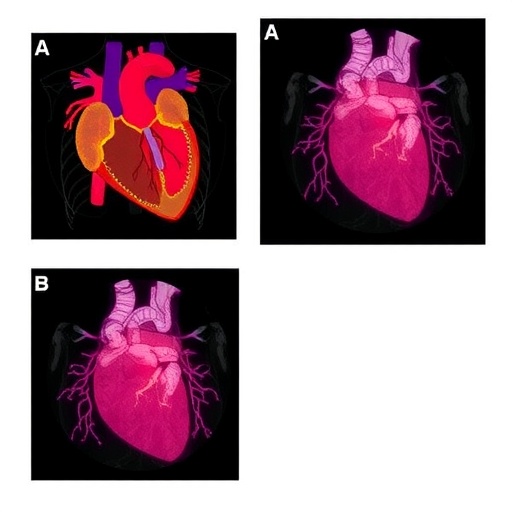
A seven-month-old boy with three weeks of unexplained fever and enormous coronary artery aneurysms has prompted physicians to consider an extraordinarily early and unusual presentation of Fabry disease, a rare inherited disorder of cellular waste processing. The infant was initially treated for atypical Kawasaki disease, a childhood inflammatory illness known to damage coronary arteries, but genetic and enzyme testing later identified a disease-causing change in the GLA gene. The case, reported in Clinical Case Reports, does not prove that Fabry disease caused the aneurysms. It does, however, raise the possibility that a metabolic disorder typically recognized years later may contribute to severe coronary disease during infancy.
Fabry disease is an X-linked lysosomal storage disorder caused by mutations in GLA, the gene responsible for producing alpha-galactosidase A. This enzyme normally breaks down particular glycosphingolipids inside lysosomes, the membrane-bound compartments that function as a cell’s recycling centers. When alpha-galactosidase A activity is absent or markedly reduced, globotriaosylceramide, often abbreviated GL3 or Gb3, accumulates inside cells. The stored material can affect the kidneys, nervous system, skin, eyes, blood vessels and heart. Because males have only one X chromosome, they often develop symptoms earlier and more severely than females, although the disease can vary widely even among members of the same family.
The biological effects of GL3 accumulation extend beyond simple cellular storage. Deposits can form in cardiac muscle cells, vascular endothelial cells and valve-supporting fibroblasts, potentially disturbing the structure and function of the cardiovascular system. The accumulated lipids may also activate immune pathways, including Toll-like receptors and CD1d-dependent mechanisms. This can promote the release of cytokines and cellular adhesion molecules, encouraging inflammatory interactions between immune cells and the vessel wall. Over time, persistent low-grade inflammation may contribute to fibrosis, a process in which normal tissue is gradually replaced by stiff scar-like material. In Fabry disease, this progression is particularly important in the heart and kidneys.
The cardiovascular hallmark of Fabry disease is usually left ventricular hypertrophy, a thickening of the main pumping chamber that develops as storage and fibrosis alter the myocardium. Other complications can include abnormal heart rhythms, impaired electrical conduction, valve leakage, high blood pressure and coronary artery disease. These problems generally emerge gradually and may remain silent during childhood. In untreated patients, left ventricular hypertrophy has been reported in more than half of males and roughly one-third of females, with prevalence increasing over time. Coronary artery disease in Fabry disease is usually discussed in the context of adults, where accelerated atherosclerosis can narrow arteries and raise the risk of heart attack. Before this report, coronary artery disease had not been documented in a pediatric patient with Fabry disease.
The infant described in the report had no notable medical history before developing persistent fever. During 21 days of illness, he did not show the classic combination of symptoms often associated with Kawasaki disease, such as conjunctival redness, rash, changes in the hands or feet, swollen neck lymph nodes or alterations of the lips and mouth. Antibiotics and fever-reducing medicines prescribed outside the hospital failed to control the fever. At admission, he was febrile and had a rapid heart rate, but his blood pressure and breathing rate were normal. Apart from inflammation in the throat, examination did not reveal a clear source of infection or a characteristic systemic inflammatory syndrome.
Laboratory testing showed a striking inflammatory profile. The boy was anemic, with a hemoglobin concentration of 8 grams per deciliter, and had an extremely elevated platelet count of 1,018,000 per microliter. His erythrocyte sedimentation rate was 130 millimeters per hour, compared with a reference range of 0 to 10, while his C-reactive protein level was 52, substantially above the laboratory’s negative threshold of 10. Ferritin was also elevated. Repeated blood cultures, urine tests and chest imaging failed to identify an infection, and testing for Epstein–Barr virus, cytomegalovirus, adenovirus and parvovirus B19 was unrevealing. Autoimmune studies, including antinuclear antibodies, anti-double-stranded DNA antibodies and antineutrophil cytoplasmic antibodies, were negative. The prolonged fever and inflammatory markers pointed toward an inflammatory disease, but the clinical picture did not fit neatly into a familiar diagnosis.
Echocardiography provided the most alarming clue. Imaging showed both fusiform and saccular aneurysms involving the right coronary artery, the left anterior descending artery and the left circumflex artery. An aneurysm is a localized enlargement of a blood vessel caused by weakening of its wall; when it becomes very large, turbulent blood flow can encourage the formation of a mural thrombus, or clot attached to the inner surface. The infant had mural thrombosis within the coronary aneurysms, creating a risk that clot could obstruct blood flow or break loose and travel downstream. Because Kawasaki disease can cause coronary artery inflammation and aneurysm formation, physicians treated him for an atypical form of that illness using intravenous immunoglobulin, high-dose methylprednisolone, infliximab, aspirin, low-molecular-weight heparin and a beta blocker.
The treatment controlled the immediate inflammatory crisis: the fever subsided after 48 hours, and a follow-up echocardiogram showed that the thrombosis had resolved. Yet the giant aneurysms themselves remained unchanged. Their persistence, the unusually prolonged fever, the lack of several hallmark Kawasaki features and the child’s very young age led the medical team to search for an inherited cause. The parents were consanguineous, further increasing the clinicians’ suspicion that a genetic disorder might be involved. Whole-exome sequencing, which examines the protein-coding regions of thousands of genes, detected the GLA variant c.427G>A, resulting in the amino-acid substitution p.Ala143Thr. The boy also had markedly reduced alpha-galactosidase activity, providing biochemical support for the genetic finding. Testing showed that his mother carried the same disease-associated variant.
The report’s authors emphasize that the relationship between Fabry disease and the coronary aneurysms remains uncertain. One possibility is that the child had Fabry disease and atypical Kawasaki disease independently, with the inflammatory infection-like illness causing the vascular damage. Another is that chronic immune activation associated with GL3 storage made the coronary arteries more vulnerable to a Kawasaki-like inflammatory process. A third possibility is that the aneurysms represent a previously unrecognized direct cardiac manifestation of Fabry disease in infancy. The distinction matters because Kawasaki disease typically produces transmural inflammatory destruction of the coronary artery wall, whereas Fabry-related coronary disease has generally been linked to lipid accumulation and accelerated atherosclerosis, mechanisms that are not equivalent. A single case cannot determine whether the mutation initiated the aneurysms, intensified another disease or merely coexisted with it.
The specific p.Ala143Thr GLA variant has been associated with a predominantly cardiac form of Fabry disease, in which some residual enzyme activity may produce a later-onset and milder phenotype than classic disease. Its discovery in an infant with giant coronary aneurysms therefore expands the range of presentations clinicians may need to consider, even though it does not establish a new disease mechanism. The case also highlights the value and limitations of genetic diagnosis. Enzyme assays can support Fabry disease, while sequencing can identify mutations in patients whose symptoms are atypical or whose family history suggests inherited disease; however, not every genetic variant predicts the same clinical course, and some findings require careful interpretation. Treatments such as enzyme replacement therapy or pharmacological chaperones can slow disease progression in appropriate patients, making early recognition important. For now, the infant’s aneurysms remain a medical mystery with a compelling genetic clue: Fabry disease may have played a role, but only additional cases and mechanistic studies can reveal whether this rare metabolic disorder can truly produce coronary aneurysms at such an extraordinarily young age.
Subject of Research: Fabry disease and giant coronary artery aneurysms in an infant
Subject of Research: Medicine
Article Title: Could Fabry Disease Cause Giant Coronary Aneurysms in a 7-Month-Old Infant: A Case Report
Article References: Shabanian, R., Dadkhah, M., Doroudian, R., Adib, M., Naderi, S., & Ashkboos, K. (2026). Could Fabry Disease Cause Giant Coronary Aneurysms in a 7‐Month‐Old Infant: A Case Report. Clinical Case Reports, 14(7), Article e73054. https://doi.org/10.1002/ccr3.73054
Image Credits: AI Generated
DOI: 10.1002/ccr3.73054
Keywords: Fabry disease, GLA gene, coronary artery aneurysm, infant cardiac disease, Kawasaki disease, alpha-galactosidase A, glycosphingolipid storage, coronary thrombosis
Cite Scienmag News
APA MLA Chicago
SCIENMAG. (August 28, 2026). Fabry Disease Linked to Giant Coronary Aneurysms in a Seven-Month-Old Infant. https://scienmag.com/fabry-disease-linked-to-giant-coronary-aneurysms-in-a-seven-month-old-infant/
SCIENMAG. “Fabry Disease Linked to Giant Coronary Aneurysms in a Seven-Month-Old Infant.” Scienmag, 28 August 2026, https://scienmag.com/fabry-disease-linked-to-giant-coronary-aneurysms-in-a-seven-month-old-infant/. Accessed 28 August 2026.
SCIENMAG. “Fabry Disease Linked to Giant Coronary Aneurysms in a Seven-Month-Old Infant.” Scienmag. August 28, 2026. https://scienmag.com/fabry-disease-linked-to-giant-coronary-aneurysms-in-a-seven-month-old-infant/
Copy citation Download RIS
Tags: alpha-galactosidase A deficiencyatypical Kawasaki diseaseearly presentation of Fabry diseaseFabry diseasegiant coronary artery aneurysms in infantsGLA gene mutationsglycosphingolipid accumulationinfantile Fabry diseaseinherited vascular disorderslysosomal storage disordermetabolic disorder causing coronary aneurysmspediatric coronary artery disease