Cold-Induced Barley Protein Helps Plants Keep RNA Unwound in the Deep Cold
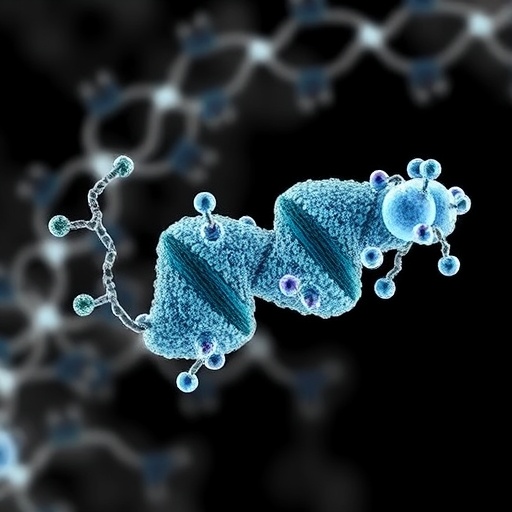
A tiny protein found in barley roots may give plants an unexpected way to survive low temperatures: keeping RNA from folding into shapes that interfere with gene expression. In a study published in Plant Direct, researchers identified a cold-induced barley protein called CISP as a previously uncharacterized RNA chaperone, a class of molecules that remodel RNA structures and help preserve the flow of genetic information during environmental stress. When introduced into bacteria and Arabidopsis plants, CISP improved growth under cold conditions, even though neither organism has an apparent equivalent gene. The findings suggest that this unusually small protein could represent a new molecular strategy for engineering cold-tolerant crops, particularly cereals that are vulnerable to chilling during germination and early development. Rather than acting through one of the well-known globular RNA-binding domains found in many cold-shock proteins, CISP appears to rely on a combination of strong positive charge and structural flexibility.
Cold is a particularly difficult challenge for plants because it disrupts several layers of cellular chemistry at once. Membranes become less fluid, metabolic reactions slow, reactive oxygen species can accumulate, and the production of proteins becomes less efficient. One underappreciated problem occurs in RNA molecules themselves. RNA strands are held together by hydrogen bonds between complementary bases, allowing them to fold into hairpins and other secondary structures. At low temperatures, these structures become more stable. If a messenger RNA folds too tightly, ribosomes may struggle to scan it or move along it, reducing translation—the process that converts genetic instructions into proteins. RNA chaperones help counter this effect by binding RNA and destabilizing structures that are excessively stable, or by preventing a newly opened RNA molecule from refolding. This molecular maintenance is distinct from simple RNA binding: a protein must actively alter or control RNA conformation to behave as a chaperone.
The researchers began with a clue from barley biology. Barley carries three related genes, CISP1, CISP2 and CISP3, whose transcripts are strongly induced in roots exposed to low temperatures. Earlier experiments had shown that the encoded proteins could bind single-stranded RNA, but their biological function was unknown. The new work first established that the genes produce proteins rather than noncoding RNAs. Barley seedlings were grown hydroponically at 4°C for 50 days, a prolonged treatment selected because earlier measurements indicated that CISP transcripts reach their highest levels after roughly 49 days of continuous cold exposure. Using four antibodies directed against different CISP peptide sequences, the scientists detected the same approximately 25-kilodalton band in protein extracts. CISP accumulated much more strongly in roots than in leaves, matching the pattern of its cold-induced messenger RNA and pointing to a specialized role in the below-ground tissues of barley.
The apparent size of the barley protein initially seemed puzzling. CISP1 is predicted to weigh only about 8.5 kilodaltons, far smaller than the band observed in the western blots. The discrepancy is likely a consequence of the protein’s unusual physical properties. CISP is highly basic, meaning it contains an excess of positively charged amino acids; its predicted isoelectric point is about 9.98 for CISP1 and 9.59 for CISP2. It also contains an intrinsically disordered region, or IDR, at its amino-terminal end. Unlike a conventional protein domain, an IDR does not settle into one rigid three-dimensional shape. Its flexibility can allow it to interact with several molecular partners, including nucleic acids, but it can also make proteins migrate anomalously during sodium dodecyl sulfate–polyacrylamide gel electrophoresis. In Arabidopsis extracts, CISP migrated much closer to its predicted mass, illustrating how strongly its apparent behavior depends on the cellular or biochemical environment.
To test whether CISP could improve cold-stressed growth, the researchers moved the barley genes into two very different organisms. In Escherichia coli, they expressed CISP1 or CISP2 and incubated the bacteria at 15°C, tracking growth by measuring optical density at 600 nanometers. The result was not an immediate boost. During the first eight hours, the CISP-producing strains grew more slowly than bacteria carrying an empty vector. But after 24 hours, their specific growth rates became significantly higher, and they outperformed the control through the second day. This biphasic response may reflect an early cost of expressing a highly basic protein that interacts broadly with bacterial nucleic acids while cells adjust to the cold. Later, once the stress persists, CISP’s ability to remodel RNA could help sustain translation and support continued proliferation. The researchers confirmed that both CISP proteins were produced in the engineered bacteria.
The protein’s effects were even more striking in plants. The team generated Arabidopsis thaliana lines that continuously overexpressed barley CISP1 under the control of the widely used CaMV35S promoter. Arabidopsis, a flowering plant commonly used in laboratory research, lacks an apparent CISP ortholog, making it a useful test of whether the protein can function outside its native grass lineage. At 23°C, the transgenic and wild-type plants showed no significant difference in relative leaf area. At 15°C and 4°C, however, the CISP1 line maintained vegetative growth and developed substantially larger leaf areas. Under nonstratified conditions—meaning the seeds were not given a cold treatment to break dormancy before the experiment—wild-type germination stabilized at about 60 percent. The CISP1-overexpressing line approached 100 percent germination across the tested temperatures, including 4°C. Molecular tests detected the introduced transcript and a protein band near 10 kilodaltons in the Arabidopsis leaves.
The cold-tolerance phenotype was not limited to a single laboratory plate assay. A second, independently transformed Arabidopsis line was grown in soil at 4°C for 45 days. During this prolonged exposure, the CISP1 plants continued developing, while wild-type plants experienced severe growth inhibition and senescence. The transgenic plants were able to progress toward reproduction under conditions in which control plants struggled to survive. Similar advantages were observed under moderate cold treatments at 10°C and 15°C. These results do not yet establish that CISP would have the same effect in a field crop, where plants face fluctuating temperatures, drought, pathogens and nutrient limitations. They do show, however, that CISP can operate in a distantly related plant and enhance several cold-sensitive stages, including germination and early vegetative growth.
The researchers then tested the protein directly using a fluorescent RNA beacon designed to fold into a hairpin resembling a precursor microRNA. The beacon carries a fluorescent FAM molecule at one end and a BHQ1 quencher at the other. When the RNA folds, the fluorophore and quencher are brought close together and fluorescence is suppressed. Heating the beacon from 10°C to 40°C breaks the hydrogen bonds holding the hairpin together, separating FAM and BHQ1 and increasing the signal. At a constant 10°C, purified CISP1 and CISP2 gradually increased fluorescence over 50 minutes, whereas a GST control protein did not. This indicated that the CISP proteins could actively melt, or resolve, a preformed RNA secondary structure. In a second experiment, the RNA was heated and then cooled. Without CISP, the beacon refolded and fluorescence fell. With CISP2, fluorescence remained high after cooling, showing that the protein also prevented the open RNA from refolding.
The biochemical tests revealed an important detail about how CISP works. When CISP1 or CISP2 was fused to the bulky GST protein, CISP1 lost much of its activity in the refolding assay, although the activity returned after the GST tag was removed. CISP2 retained refolding-inhibition activity in the fusion form, suggesting that the two proteins may differ in how sensitive their flexible regions are to steric obstruction. Heating the purified proteins to 95°C destroyed the refolding-inhibition activity, demonstrating that the effect depended on the protein’s functional structure rather than on nonspecific crowding or permanent electrostatic coating of the RNA. Computational modeling with AlphaFold 3 suggested that basic residues form part of the RNA-contacting surface, while disorder prediction identified flexible amino-terminal regions in both proteins. Together, the results support a model in which positive charge helps CISP associate with negatively charged RNA, while the IDR supplies the dynamic movements needed to disrupt and stabilize alternative RNA conformations.
Most characterized RNA chaperones contain recognizable cold shock domains or RNA recognition motifs. These structured domains provide defined surfaces for binding nucleic acids and are central to the activity of proteins such as bacterial CspA and several plant glycine-rich RNA-binding proteins. CISP breaks that apparent rule. It is small, highly basic and partly disordered, with no canonical cold shock domain or RNA recognition motif. The discovery suggests that RNA chaperone activity may be achieved not only by specialized globular domains but also by flexible proteins whose charge and conformational mobility produce the necessary interactions. CISP-like genes are predominantly found among grasses in the Poaceae family, and comparable proteins are not apparent in dicots, implying that this may be a lineage-specific solution to cold adaptation. The authors caution that major questions remain, including which RNAs CISP targets inside barley roots, how its amino-terminal IDR contributes to activity, and whether it participates in stress-induced liquid–liquid phase separation. Future experiments using RNA-targeting methods such as RIP-seq or CLIP-seq could reveal whether CISP protects a selective group of cold-sensitive transcripts or acts broadly across the plant transcriptome. For now, the protein offers a fresh route toward understanding—and potentially improving—how crops keep their molecular machinery running when temperatures fall.
Subject of Research: The role of the cold-induced barley protein CISP as an RNA chaperone and mediator of cold tolerance
Subject of Research: Agriculture
Article Title: CISP, an Intrinsically Disordered Cold-Inducible Barley Protein, Functions as a Small RNA Chaperone
Article References: Okumura, Y., Haque, M. M., & Kidou, S.-I. (2026). CISP, an Intrinsically Disordered Cold‐Inducible Barley Protein, Functions as a Small RNA Chaperone. Plant Direct, 10(6), Article e70179. https://doi.org/10.1002/pld3.70179
Image Credits: AI Generated
DOI: 10.1002/pld3.70179
Keywords: barley, CISP protein, RNA chaperone, cold tolerance, intrinsically disordered proteins, RNA secondary structure, Arabidopsis, crop improvement
Cite this news
APA
MLA
Chicago
SCIENMAG. (August 28, 2026). Barley Cold-Inducible Disordered Protein CISP Acts as a Small RNA Chaperone. https://scienmag.com/barley-cold-inducible-disordered-protein-cisp-acts-as-a-small-rna-chaperone/
SCIENMAG. “Barley Cold-Inducible Disordered Protein CISP Acts as a Small RNA Chaperone.” Scienmag, 28 August 2026, https://scienmag.com/barley-cold-inducible-disordered-protein-cisp-acts-as-a-small-rna-chaperone/. Accessed 28 August 2026.
SCIENMAG. “Barley Cold-Inducible Disordered Protein CISP Acts as a Small RNA Chaperone.” Scienmag. August 28, 2026. https://scienmag.com/barley-cold-inducible-disordered-protein-cisp-acts-as-a-small-rna-chaperone/
Copy citation
Download RIS
Tags: adaptation to environmental stress in plantsArabidopsis cold stress responsebarley root proteins and cold adaptationcereal crop cold resilienceCISP gene functionCISP RNA chaperone in plantsCold-induced barley proteincold-inducible barley proteingenetic engineering for cold tolerance in cropsimpact of low temperatures on plant cellular chemistrymolecular strategies for cold engineeringmolecular strategies for freezing stress tolerancenovel cold-shock proteins in cerealsplant cold stress response mechanismsplant cold stress toleranceplant stress response mechanismspositive charge in RNA bindingRNA chaperone in plantsRNA folding and gene expressionRNA folding and gene expression under cold stressRNA remodeling during low temperaturessmall proteins enhancing plant resiliencestructural flexibility of plant RNA-binding proteinsstructural flexibility of small proteins