Chronic obstructive pulmonary disease, or COPD, has become a global health crisis—and a new review suggests that compounds found in tea, citrus peels, grapes, herbs, marine organisms and even beneficial microbes could help scientists develop more effective ways to slow its progression. Drawing on evidence from more than 350 studies and over 80 natural compounds, researchers describe a broad collection of molecules that appear to reduce airway inflammation, oxidative stress, mucus overproduction, tissue scarring and cellular aging. The findings do not establish that drinking green tea or taking herbal supplements can treat COPD, but they reveal a striking therapeutic pattern: many natural substances act on several of the biological processes that make the disease so difficult to control. COPD is marked by persistent airflow limitation and progressive damage to the airways and alveoli. It is currently the third leading cause of death worldwide, with about 3.23 million deaths recorded in 2019, and projections suggest that annual deaths could exceed 5.4 million by 2060.
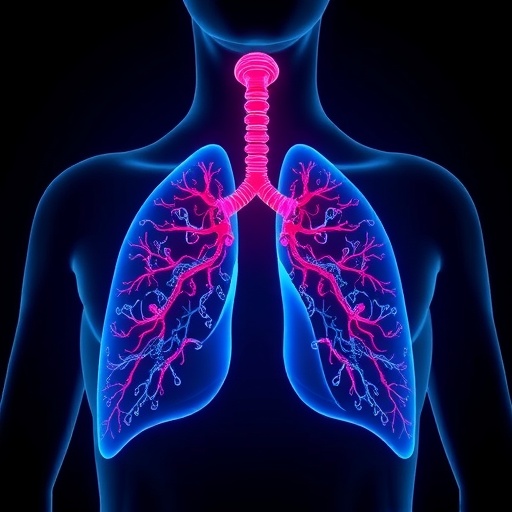
The disease typically develops after years of exposure to cigarette smoke, occupational dust, indoor fuel combustion or repeated respiratory infections. These insults injure the airway epithelium—the protective cellular lining that filters particles, regulates mucus and helps coordinate immune responses. In the central airways, damaged epithelial cells, infiltrating immune cells and enlarged mucus-producing goblet cells narrow the breathing passages. In smaller airways, inflammation and fibrosis restrict the lumen, while in the lung’s deeper tissue, destruction of alveolar walls reduces the surface area available for oxygen exchange. The result is a combination of chronic bronchitis, excessive mucus, loss of elastic recoil and emphysema. At the molecular level, COPD is driven by an unstable interaction between inflammation and oxidation. Reactive oxygen species generated by cigarette smoke and activated immune cells damage proteins, lipids and DNA, while inflammatory signals such as tumor necrosis factor alpha, interleukin-1 beta and interleukin-6 attract more immune cells, creating a self-reinforcing cycle of injury.
The review, based on searches of PubMed, Web of Science and ClinicalTrials.gov through January 2026, examines plant-derived compounds alongside substances from microorganisms, animals and marine organisms. The authors emphasize that current COPD treatments—including bronchodilators, inhaled corticosteroids and phosphodiesterase 4 inhibitors—can relieve symptoms and reduce exacerbations but cannot reliably reverse established structural damage. Corticosteroids are also less effective in many people with COPD than in patients with asthma, partly because cigarette smoke can reduce the activity of histone deacetylase 2, an enzyme that helps suppress inflammatory gene expression. Natural compounds are attracting interest because their actions often extend beyond a single receptor or pathway. In experimental models, they have been reported to influence NF-κB, a central inflammatory transcription factor; Nrf2, a master regulator of antioxidant defenses; AMPK, a metabolic energy sensor; SIRT1, a protein associated with stress resistance and aging; and several pathways involved in fibrosis, mucus secretion and programmed cell death.
Some of the most widely studied molecules are flavonoids, a chemically diverse family of plant phenolics built around a 15-carbon diphenylpropane framework. Epigallocatechin-3-gallate, or EGCG, is the best-known example, abundant in green tea. A cross-sectional study of 13,570 Korean adults aged 40 and older found that people who reported drinking green tea at least twice a day had a lower odds of COPD than non-drinkers. Another clinical study involving patients with stable disease reported lower blood levels of matrix metalloproteinase 9, a tissue-degrading enzyme, alongside improved forced expiratory volume in one second and relief of symptoms after green-tea consumption. Laboratory and animal experiments offer a possible explanation: EGCG can suppress cigarette-smoke-induced NF-κB activation in airway epithelial cells, reduce reactive oxygen species and the lipid-damage marker 4-hydroxynonenal, and limit mucus production by decreasing epidermal growth factor receptor signaling and expression of the mucin MUC5AC. In mice, EGCG also reduced activation of the NOX2/p47phox system, a major source of oxidative bursts in immune cells.
Other flavonoids appear to attack different parts of the disease process. Baicalin, derived from the traditional medicinal plant Scutellaria baicalensis, increased HDAC2 in smoke-exposed animal models while lowering inflammatory cytokines and Toll-like receptor signaling. That combination is potentially important because impaired HDAC2 activity is associated with steroid resistance. Baicalin also reduced matrix metalloproteinases involved in airway remodeling and increased antioxidant enzymes such as superoxide dismutase and catalase. Luteolin, found in honeysuckle and other plants, reduced NOX4-driven oxidative stress and inhibited NF-κB signaling. It also influenced the TRPV1/SIRT6 and CYP2A13/Nrf2 pathways, which connect sensory signaling, cellular stress and antioxidant responses. In a study of people with COPD, luteolin was associated with a higher ciliary beat frequency in nasal tissue. Cilia normally sweep mucus and trapped particles out of the respiratory tract, so improving this mechanical clearance system could be particularly valuable in a disease characterized by sticky, excessive secretions.
Quercetin, present in onions, apples and tea, has emerged as another multitarget candidate. In experimental emphysema, it reduced abnormal inflammatory signals, restored antioxidant enzyme activity and suppressed MMP-9 and MMP-12, enzymes capable of breaking down lung architecture. The compound also inhibited the NLRP3 inflammasome, a molecular alarm system that promotes production of interleukin-1 beta, and interfered with TGF-beta and Wnt5a/beta-catenin signaling, pathways implicated in fibrosis and structural remodeling. Quercetin activated the AMPK/Nrf2 axis and appeared to improve epithelial repair by increasing genes involved in regeneration. Yet the molecule illustrates a major problem facing natural therapeutics: its oral bioavailability is estimated at only about 2 percent because it dissolves poorly in water, is extensively metabolized during first passage through the intestine and liver, and is transported back into the gut by efflux proteins. Clinical trials have therefore explored doses ranging from 500 to 2,000 milligrams per day, but the optimal balance between exposure, efficacy and safety remains unresolved.
The review also highlights compounds that regulate mucus, cell survival and the aging of lung tissue. Naringenin, a citrus flavonoid, protected airway cilia from cigarette-smoke extract in cultured cells and reduced MUC5AC production by interfering with epidermal growth factor receptor, PI3K/Akt, ERK and NF-κB signaling. Its glycoside form, naringin, lowered neutrophil infiltration and inflammatory mediators while increasing antioxidant defenses and lipoxin A4, a lipid mediator that helps resolve inflammation. Nobiletin, a polymethoxyflavone concentrated in mandarin peel, activated the SIRT1/AMPK/FoxO3a pathway. In animal studies, this pathway promoted autophagy, a cellular recycling process, increased tight-junction proteins such as zonula occludens-1 and E-cadherin, and reduced epithelial senescence. Apigenin, found in chamomile and celery, acted on the SIRT1-NAD+-CD38 system to reduce senescence markers p16 and p21. These findings matter because aging epithelial cells can remain metabolically active while secreting inflammatory factors, a phenomenon known as the senescence-associated secretory phenotype.
Polyphenols outside the flavonoid family show similarly broad effects. Resveratrol, a stilbene associated with grapes and other plants, repeatedly reduced inflammatory cytokines, oxidative damage and fibrotic signaling in smoke- and bacterial-toxin-exposed animals. It increased SIRT1, PGC-1alpha and antioxidant defenses while suppressing TGF-beta, ERK and stress-related apoptosis. In skeletal muscle, resveratrol and curcumin improved markers of mitochondrial function, including PGC-1alpha and SIRT3, suggesting that natural compounds might address COPD’s systemic consequences as well as its lung pathology. Curcumin, the yellow pigment in turmeric, reduced neutrophil and lymphocyte recruitment, inhibited COX-2 and NF-κB activity, and in some models restored HDAC2 while reducing inflammatory gene expression associated with corticosteroid resistance. Grape-seed proanthocyanidins reduced reactive oxygen species and blocked abnormal nuclear movement of transcription factor EB, a regulator of autophagy and lysosomal function. Tannic acid, administered in an elastase-induced emphysema model, lowered NF-κB, p38 MAPK, MMP-9 and inflammatory cytokines.
Several compounds appear to work through more specialized mechanisms. Dihydromyricetin, derived from Ampelopsis grossedentata, increased glutathione, the cystine transporter xCT and glutathione peroxidase 4, helping cells resist lipid peroxidation and ferroptosis—a form of iron-dependent cell death increasingly linked to chronic lung injury. Rosmarinic acid, found in rosemary, perilla and sage, reduced interleukin-6, tumor necrosis factor alpha, interleukin-17A and interferon gamma in smoke- and lipopolysaccharide-exposed mice while lowering the Bax/Bcl-2 ratio through spleen tyrosine kinase inhibition. Magnolol, a lignan from Magnolia species, protected the epithelial barrier by increasing ZO-1, E-cadherin and PPAR-gamma, while lowering MMP-9, MMP-12, oxidative damage and inflammatory cytokines. Liquiritin and liquiritin apioside from licorice improved antioxidant activity and reduced fibrosis-related TGF-beta. In guinea pigs, liquiritin apioside also reduced capsaicin-induced coughing, hinting at possible effects on airway sensory nerves in addition to inflammation.
The evidence is not limited to plants. The review describes promising candidates from microorganisms, animals and marine organisms, including macrolide compounds, Cordyceps-derived substances, probiotics, melatonin, taurine, lipoxin A4, omega-3 polyunsaturated fatty acids and phycocyanin. Their proposed actions include reshaping the lung and intestinal microbiome, resolving inflammation rather than merely suppressing it, protecting mitochondria and strengthening antioxidant systems. Omega-3 fatty acids may generate specialized pro-resolving mediators that help terminate inflammatory responses, while melatonin and taurine have been investigated for antioxidant and mitochondrial effects. Probiotics could influence immune signaling through the gut-lung axis, although the specific strains, doses and clinical outcomes remain uncertain. Across the field, the same limitation persists: most evidence comes from cultured cells or rodents exposed to cigarette smoke, lipopolysaccharide, elastase or concentrated smoke extract. Such models reproduce selected features of COPD but not the full complexity of a human disease shaped by decades of exposure, aging, genetics, infections and multiple comorbidities.
The researchers therefore present natural products as a source of drug leads rather than ready-made cures. A compound that lowers inflammatory markers in a mouse lung may fail in people because it is poorly absorbed, rapidly broken down, unable to reach airway tissue or toxic at an effective dose. Some molecules also interact with prescription medicines, and “natural” does not automatically mean safe or standardized. Future studies will need rigorous pharmacokinetic testing, chemically defined formulations, larger randomized clinical trials and clear comparisons with established COPD therapies. Nanoparticle delivery, inhaled formulations and combinations designed to improve bioavailability could help overcome some barriers, particularly for quercetin, curcumin and resveratrol. The central message of the review is nevertheless compelling: COPD is not driven by one faulty pathway, and therapies that simultaneously calm inflammation, neutralize oxidative stress, preserve epithelial barriers, restrain fibrosis and slow cellular aging may offer a more complete strategy. For now, smoking cessation, vaccination, exposure reduction, pulmonary rehabilitation and evidence-based medicines remain essential, but nature’s chemical library may provide the next generation of tools for protecting damaged lungs.
Subject of Research: Natural products and their potential mechanisms of action in the prevention and treatment of chronic obstructive pulmonary disease.
Article Title: Nature’s chemical library may offer new ways to fight COPD
Article References: Narrative review based on more than 350 peer-reviewed studies identified through PubMed, Web of Science and ClinicalTrials.gov, with literature searched through January 2026.
Image Credits: AI Generated
DOI: 10.1002/fsn3.71965
Keywords: Chronic obstructive pulmonary disease; natural products; flavonoids; EGCG; quercetin; curcumin; resveratrol; oxidative stress; inflammation; airway remodeling; mucus hypersecretion; Nrf2; NF-κB; COPD therapeutics
Tags: bioactive compounds from citrus peels and grapesdietary interventions for chronic obstructive pulmonary diseaseherbal compounds for airway inflammationmarine organism-derived molecules in respiratory healthmicrobial metabolites in COPD managementnatural anti-inflammatory agents for lung tissue repairnatural antioxidants for oxidative stress reductionNatural products for COPD treatmentnatural substances mitigating airway scarringnatural therapies to slow COPD progressionphytochemicals targeting cellular aging in COPDplant-based compounds to prevent mucus overproduction