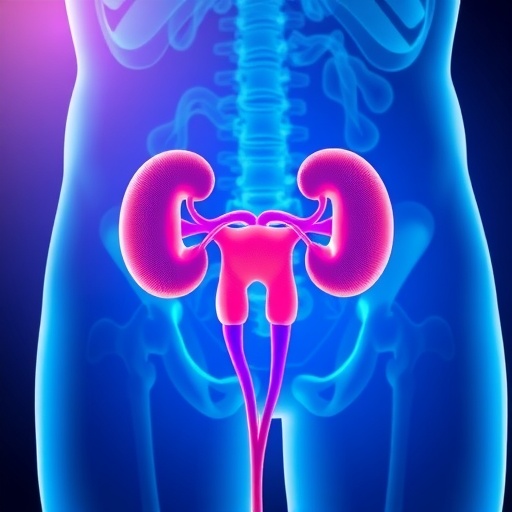
A common bladder infection may be prompting a much bigger medical question than doctors once assumed. A nationwide population-based study published in the British Journal of Cancer has examined whether patients diagnosed in hospital with recurrent cystitis later face a different risk of urologic cancers. The research, led by Kasper K. Mortensen, Karina K. Søgaard and Daniel K. Farkas, focuses on an important overlap between two conditions that can produce similar warning signs: repeated inflammation of the urinary tract and malignancies affecting the bladder, kidneys, ureters or other parts of the urinary system. The study does not suggest that recurrent cystitis is itself cancer, but it investigates whether repeated, clinically significant episodes may identify patients who require closer evaluation. Its findings add to a growing effort to distinguish ordinary infection from symptoms that may signal a more serious disease.
Cystitis is inflammation of the bladder, most often caused by bacterial infection. Typical symptoms include burning or pain during urination, an urgent need to pass urine, frequent urination and discomfort in the lower abdomen. In many cases, cystitis is short-lived and responds well to treatment. Recurrent cystitis, however, is more complicated. It can reflect repeated bacterial exposure, incomplete eradication of an earlier infection, changes in the urinary tract, kidney or bladder stones, hormonal changes, or conditions that interfere with normal urine flow. When the diagnosis is made in hospital rather than in routine primary care, it may indicate more severe symptoms, persistent problems, visible blood in the urine or the need for diagnostic testing. These clinical circumstances make hospital-diagnosed recurrence particularly important to study.
The biological connection between infection and cancer is not necessarily direct. Chronic inflammation can expose tissues to repeated cycles of cellular injury and repair. During those cycles, immune cells release signalling molecules and reactive compounds that can alter the local tissue environment. Over long periods, inflammation may contribute to DNA damage, abnormal cell growth and changes in the way cells communicate with one another. Yet this mechanism should not be interpreted as proof that recurrent cystitis causes cancer. Infection-related inflammation may instead draw attention to a tumour that was already developing, or cancer may obstruct the urinary tract and create conditions that make infections more likely. The apparent association can also be shaped by age, smoking, diabetes, urinary retention, medical procedures and other factors shared by both conditions.
The study’s nationwide design is central to its importance. Population-based research uses health information collected across an entire national healthcare system rather than relying only on patients treated at a single hospital or specialist clinic. This approach can capture large numbers of people, reduce the risk that the results reflect one institution’s referral habits and allow researchers to compare patients with similar populations who did not experience the same diagnosis. In registry-based studies, investigators can follow individuals over time and identify later cancer diagnoses using systematically recorded medical information. Such datasets are especially valuable for examining uncommon outcomes, because a single hospital may see too few cases to detect a meaningful pattern. They also make it possible to study real-world healthcare rather than carefully selected trial participants.
The phrase “risk of urologic cancers” covers several different diseases, each with distinct biology and clinical presentation. Bladder cancer is the most obvious concern because blood in the urine, irritative urinary symptoms and recurrent infection can occur in the same patient. Kidney cancer may remain silent until it is advanced, although blood in the urine, flank discomfort or unexplained weight loss can appear. Cancers of the renal pelvis and ureters develop in the lining of the upper urinary tract and belong to the broader family of urothelial cancers. Prostate cancer, while not generally caused by cystitis, can contribute to urinary obstruction and can complicate the interpretation of urinary symptoms in men. A useful population study must therefore examine not only whether cancer diagnoses occur, but also which anatomical sites are involved and how soon after recurrent cystitis they are detected.
Timing is one of the most technically challenging parts of this question. If a cancer is diagnosed shortly after a patient has repeated cystitis, the infection may have been an early manifestation of an undetected tumour. For example, a lesion in the bladder can cause bleeding or irritative symptoms that are initially interpreted as infection, particularly when urine testing is inconclusive or when symptoms temporarily improve after antibiotics. In that situation, the observed association would be driven partly by delayed recognition rather than by cancer developing after infection. Researchers can investigate this possibility by examining cancer risk during different follow-up periods, excluding diagnoses made soon after the cystitis episode or comparing patterns across cancer sites. These analyses help separate possible biological effects from diagnostic detection, although registry data cannot remove every uncertainty.
Another challenge is the definition of recurrent cystitis itself. In everyday medicine, recurrence may be described by the number of infections within a year, the interval between episodes or the return of symptoms after treatment. Administrative health records may use diagnostic codes, hospital admissions, outpatient contacts or treatment information. Each measure captures a different group of patients. A patient with several infections treated by a general practitioner may not appear in the same dataset as someone admitted to hospital with severe urinary symptoms. The study specifically addresses hospital-diagnosed recurrent cystitis, making its results most relevant to people whose condition was serious or complex enough to enter hospital records. It should not automatically be assumed that the same risk applies to every person who has occasional uncomplicated bladder infections.
The research also matters because urinary symptoms are often dismissed as routine, particularly when a patient has a previous history of infection. That pattern can create a diagnostic blind spot. Persistent blood in the urine, repeated symptoms despite appropriate antibiotics, unexplained pain, changes in urinary flow or infections that occur without a clear cause may warrant further assessment. Depending on the clinical situation, evaluation can include urinalysis, urine culture, imaging of the kidneys and urinary tract, cystoscopy, or referral to a urologist. Cystoscopy allows a clinician to inspect the bladder lining directly with a small camera, while imaging can reveal masses, stones, obstruction or structural abnormalities. These investigations are not required for every episode of cystitis, but recurrent or atypical disease should be interpreted in context rather than treated as an endless series of unrelated infections.
The study’s findings should therefore be understood as evidence about risk patterns, not as a diagnostic test for individual patients. A statistical association can help clinicians decide which groups may benefit from additional surveillance, but it cannot determine whether a particular person has cancer. Researchers must account for confounding variables, including age, sex, smoking history, previous urinary disease and differences in access to healthcare. They must also consider surveillance bias: patients who experience repeated hospital visits may undergo more scans and examinations, increasing the chance that an otherwise silent tumour will be found. Even with sophisticated statistical adjustment, observational studies cannot establish causation as decisively as a randomized experiment, and deliberately assigning recurrent infection would be impossible and unethical.
The broader message is one of vigilance without panic. Most episodes of cystitis are not signs of cancer, and recurrent urinary symptoms can arise from many non-malignant causes. At the same time, repeated hospital-diagnosed cystitis represents a clinically distinct signal that deserves careful investigation, especially when symptoms persist or blood is present. By linking recurrent cystitis with subsequent urologic cancer outcomes across a national population, Mortensen, Søgaard, Farkas and colleagues aim to clarify when infection-like symptoms may be part of a larger diagnostic story. The work could help refine follow-up strategies, reduce delays in cancer detection and improve the way doctors distinguish ordinary inflammation from disease requiring specialist care. For patients, the practical lesson is simple: recurring or unusual urinary symptoms should be reported, reassessed and interpreted by a healthcare professional rather than repeatedly ignored.
Subject of Research: The risk of urologic cancers among patients with hospital-diagnosed recurrent cystitis.
Article Title: Risk of urologic cancers in patients with hospital-diagnosed recurrent cystitis: a nationwide population-based study.
Article References: Mortensen, K.K., Søgaard, K.K., Farkas, D.K. et al. “Risk of urologic cancers in patients with hospital-diagnosed recurrent cystitis: a nationwide population-based study.” British Journal of Cancer (2026). https://doi.org/10.1038/s41416-026-03591-y
Image Credits: AI Generated
DOI: 10.1038/s41416-026-03591-y
Keywords: recurrent cystitis, urologic cancer, bladder cancer, urinary tract cancer, urinary infection, chronic inflammation, population-based study, cancer risk, epidemiology, hospital diagnosis
Tags: bladder inflammation and cancercystitis symptoms and diagnostic significanceearly detection strategies for urologic cancersidentifying high-risk patients with recurrent cystitisimplications of recurrent cystitis for urological healthinflammation of urinary tract as a cancer markernationwide study on cystitis and urologic cancersrecurrent cystitis and urologic cancer riskrecurrent urinary infections and cancer screeningrelationship between bladder infections and cancer developmenturinary tract infection and malignancyurinary tract infections