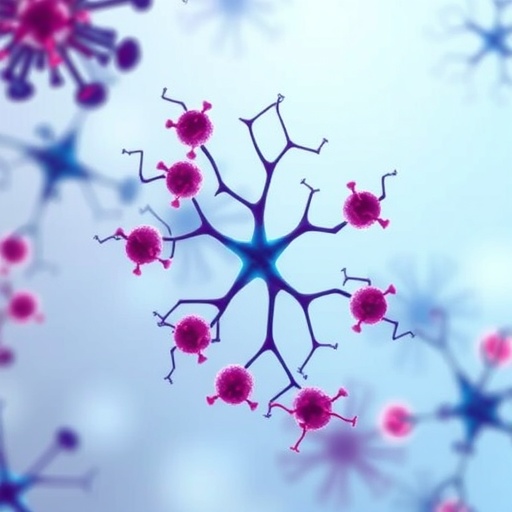
Rectal cancer is often described as a disease of malignant cells, but the biology surrounding those cells can be just as important in determining whether treatment succeeds. A study by Hillson, McCulloch, McMahon and colleagues, published in the British Journal of Cancer, examines how immune and stromal features within locally advanced rectal tumours are associated with responses to neoadjuvant radiotherapy. The work focuses on a central question in modern cancer medicine: why do some tumours shrink or become more treatable after radiation, while others show limited benefit despite receiving apparently similar therapy? By examining the tumour microenvironment—the network of immune cells, connective-tissue cells, blood vessels and signalling molecules that surrounds cancer—the researchers explore biological clues that may help explain these differences.
Neoadjuvant radiotherapy is given before surgery, with the aim of reducing tumour burden, controlling microscopic disease and improving the chances of complete removal. In locally advanced rectal cancer, radiation is commonly integrated into treatment because the tumour may have extended through the bowel wall or approached nearby lymph nodes and tissues. Yet radiation does not act only by damaging the DNA of cancer cells. It can also alter the local ecosystem of the tumour. Radiation-induced DNA breaks may trigger cell death, release tumour-derived molecules and expose signals that can be detected by the immune system. At the same time, treatment may reshape the extracellular matrix, affect blood-vessel function and change the behaviour of fibroblasts, the stromal cells that provide structural support within tumours.
The study’s emphasis on immune biology reflects the growing recognition that treatment response is partly governed by communication between cancer cells and the body’s defence system. Tumours can contain cytotoxic T cells capable of recognising and killing abnormal cells, but they may also harbour regulatory immune populations that suppress attack, or myeloid cells that promote inflammation, tissue repair and tumour persistence. The balance between these populations can influence whether radiation produces a sustained antitumour response. Radiation may make malignant cells more visible to immune surveillance, but it can also provoke wound-healing pathways and inflammatory signals that create conditions favourable to tumour survival. Understanding which immune patterns accompany response is therefore more complex than simply counting immune cells.
The stromal compartment adds another layer of biological control. Cancer-associated fibroblasts can produce collagen and other extracellular-matrix components, creating a dense physical environment that influences how cells move, how oxygen and nutrients are distributed, and how therapeutic signals travel through the tumour. A rigid or disordered matrix may affect the penetration of immune cells and contribute to regions of low oxygen, known as hypoxia. Hypoxic tumour areas are often biologically challenging because oxygen availability can influence the chemical reactions through which radiation damages DNA. Stromal cells can also release growth factors and cytokines that support cancer-cell survival or modify immune behaviour. By studying stromal tumour biology alongside immune features, the researchers address the tumour as an interconnected system rather than as an isolated mass of malignant cells.
This combined perspective is particularly important because treatment response in rectal cancer can be measured in several ways. A tumour may shrink visibly on imaging, show reduced cellular activity, or display substantial treatment-related changes when examined after surgery. In some patients, very little viable cancer remains in the surgical specimen, while in others, persistent tumour indicates resistance or incomplete response. Biological studies seek to connect these clinical and pathological outcomes with molecular and cellular characteristics present before or during treatment. The work by Hillson and colleagues investigates the relationship between neoadjuvant radiotherapy response and the immune-stromal environment, potentially helping researchers distinguish features linked to sensitivity from those associated with persistence.
Although the paper’s title identifies associations rather than a new treatment, such findings can be significant for precision oncology. If reproducible immune or stromal signatures can predict which patients are more likely to benefit from radiation, clinicians could eventually use them to refine treatment planning. Patients whose tumours appear less responsive might be considered for intensified monitoring, altered sequencing of chemotherapy and radiotherapy, or carefully selected clinical trials involving immunotherapy or agents that target the tumour microenvironment. However, an association is not the same as a clinically validated predictive test. A biological feature may accompany response without causing it, and signatures discovered in one patient group must be tested in independent cohorts before they can guide routine care.
The research also contributes to a broader shift in cancer science: the move from classifying tumours solely by their genetic mutations toward analysing their ecological and functional states. Two rectal tumours may carry similar alterations in cancer-related genes yet behave differently because their immune landscapes, stromal architecture, vascular supply or metabolic conditions are not the same. Technologies such as tissue imaging, transcriptomic profiling and spatial analysis can help reveal where particular cells are located and how they interact. These approaches are especially valuable in radiotherapy research because treatment may alter the composition and organisation of the tumour microenvironment over time. Mapping those changes could show not only which cells are present, but also whether they are positioned to support immune attack or tumour protection.
The clinical implications remain promising but measured. The study does not, on the information available from its citation, establish that a specific immune cell, fibroblast population or molecular pathway should immediately be targeted in patients with rectal cancer. Instead, it adds evidence to an expanding scientific effort to understand why neoadjuvant radiotherapy produces variable results in locally advanced disease. Future work will need to determine whether the reported biological associations remain consistent across different hospitals, treatment schedules, imaging methods and patient populations. Researchers will also need to establish whether modifying the immune or stromal environment improves tumour control without increasing radiation toxicity or surgical complications.
For patients and clinicians, the long-term ambition is a more biologically informed treatment strategy in which radiation is not prescribed as a uniform intervention but adapted to the characteristics of each tumour. The findings reported by Hillson, McCulloch, McMahon and colleagues place the immune system and tumour-supporting stroma at the centre of that ambition. By studying the biological conditions associated with response, the research may help build a future in which treatment decisions are guided not only by tumour location and stage, but also by how a tumour communicates with its surrounding tissue. That goal remains under investigation, but it reflects one of the most important directions in contemporary rectal-cancer research: treating the cancer and the ecosystem that enables it to survive.
Subject of Research: Immune and stromal tumour biology associated with response to neoadjuvant radiotherapy in locally advanced rectal cancer
Article Title: Immune and stromal tumour biology associated with neoadjuvant radiotherapy response in locally advanced rectal cancer
Article References: Hillson, L.V.S., McCulloch, A.K., McMahon, R.K. et al. Immune and stromal tumour biology associated with neoadjuvant radiotherapy response in locally advanced rectal cancer. Br J Cancer (2026). https://doi.org/10.1038/s41416-026-03575-y
Image Credits: AI Generated
DOI: 10.1038/s41416-026-03575-y
Keywords: rectal cancer, neoadjuvant radiotherapy, tumour microenvironment, immune biology, stromal biology, cancer-associated fibroblasts, radiotherapy response, precision oncology
Tags: biological factors influencing radiotherapy responsecancer microenvironment and therapy resistanceimmune cell infiltration in rectal tumorsimmune response in rectal cancerlocally advanced rectal cancer treatmentneoadjuvant radiotherapy effectivenesspredictive biomarkers for radiotherapy responserectal cancer tumor microenvironmentstromal cell role in cancer therapystromal tissue influence on treatment outcomestumor immune-stromal interactionstumor microenvironment analysis