A new review in Experimental & Molecular Medicine examines how autonomous intranasal delivery systems could transform the way medicines reach the brain, offering a potential route around one of modern medicine’s most formidable obstacles: the blood–brain barrier. The article, by H. Shen, S. K. Srivastava, N. Aggarwal and colleagues, surveys emerging technologies designed to transport therapeutic molecules from the nasal cavity to the central nervous system with greater precision, efficiency and minimal dependence on conventional injections.
The blood–brain barrier protects neural tissue by tightly regulating which substances can leave the bloodstream and enter the brain. While this defense is essential for preventing toxins and pathogens from reaching delicate neurons, it also blocks many potentially valuable drugs, including proteins, nucleic acids and some small-molecule therapies. As a result, treatments for conditions such as Alzheimer’s disease, Parkinson’s disease, brain tumors, epilepsy and stroke may require high systemic doses, invasive administration or delivery methods that remain difficult to scale.
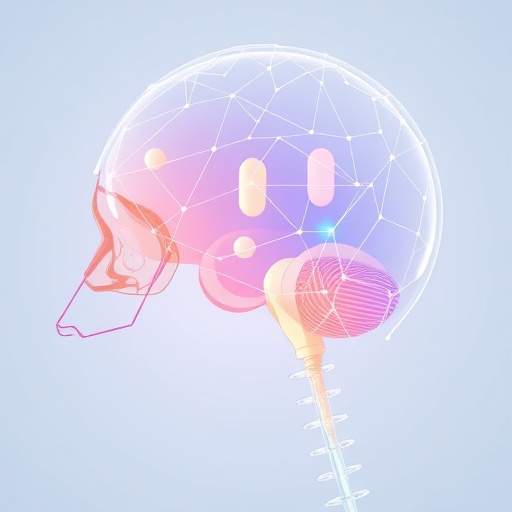
Intranasal administration has attracted intense interest because the upper nasal cavity provides anatomical connections to the brain through the olfactory and trigeminal nerve pathways. Drugs deposited near the olfactory epithelium may move along or around these pathways, potentially reaching regions of the central nervous system without first circulating throughout the body. This concept, often described as nose-to-brain delivery, could reduce systemic exposure and allow therapeutics to act more directly at their intended site. Yet the nasal route is not automatically efficient: mucus, enzymatic degradation, rapid clearance and limited absorptive surface area can all reduce the amount of medicine that reaches neural tissue.
The review focuses on autonomous systems engineered to respond to their biological surroundings rather than simply releasing a drug at a predetermined rate. These platforms may use nanoscale or microscale carriers that alter their behavior when they encounter changes in pH, temperature, enzymes, ionic strength or other features of the nasal environment. Some are designed to adhere temporarily to the nasal mucosa, extending residence time despite the constant movement of mucus toward the throat. Others can change their structure, swell, dissolve or release their cargo in response to local signals, creating a more controlled delivery profile.
Nanoparticles are central to many of these approaches. Lipid-based particles, polymeric nanoparticles, nanogels and other engineered carriers can protect fragile payloads from degradation and improve their interaction with nasal tissues. Surface chemistry is particularly important. By adding mucoadhesive components, researchers can help particles remain in contact with the epithelium; by incorporating mucus-penetrating coatings, they may enable carriers to move through the mucus layer and approach the underlying cells. The challenge is to balance these opposing properties, because excessive adhesion can trap a carrier in mucus while insufficient adhesion can lead to rapid removal.
Autonomous delivery systems may also be engineered to cross cellular barriers or release medicines only after reaching a particular biological compartment. For example, a carrier could protect a protein or messenger RNA during administration, promote uptake by nasal epithelial cells and then release its cargo inside the cell. Other designs aim to transport drugs along neuronal pathways or encourage passage through tissues surrounding the olfactory bulb. These strategies are especially relevant for biologics, whose large size and chemical instability make them difficult to deliver by traditional routes.
The technology could eventually support therapies that are difficult to administer using standard nasal sprays. Small-volume devices, precision nozzles and electronically controlled applicators may improve deposition in the upper nasal cavity, while smart formulations could respond to the local environment after administration. Some future systems may combine sensing, movement and drug release in a single platform, allowing them to adapt to patient-specific conditions such as mucus composition, inflammation or variations in nasal anatomy. Such “autonomous” behavior remains largely a research goal, but it reflects a broader shift toward delivery systems that actively manage their own interaction with the body.
Despite the promise, the review emphasizes that nose-to-brain delivery is accompanied by substantial biological and engineering challenges. The nasal cavity varies considerably between individuals, and factors including age, congestion, allergies, disease, breathing patterns and prior surgery can alter deposition and absorption. Much of an intranasal dose may still be swallowed or enter the bloodstream rather than reaching the brain. Researchers must also establish whether a drug detected in brain tissue arrived through a genuine neural pathway or simply crossed the blood–brain barrier after systemic absorption. Reliable imaging, pharmacokinetic measurements and standardized animal and human models will be essential for resolving this question.
Safety is another major consideration. Repeated exposure to nanoparticles, polymers or penetration-enhancing chemicals could irritate or damage the nasal epithelium, disrupt the sense of smell or trigger immune responses. Materials must be carefully evaluated for toxicity, biodegradability and long-term accumulation. Manufacturing presents an additional hurdle: complex multifunctional carriers must be produced consistently, sterilized without losing performance and packaged in devices that deliver accurate doses. Before autonomous intranasal systems can become routine clinical tools, they will require rigorous testing in humans to demonstrate reproducible brain targeting, meaningful therapeutic benefit and acceptable safety.
The review presents intranasal delivery as more than a convenient alternative to injections. By combining biomaterials science, nanotechnology, neurobiology and device engineering, autonomous systems could create a new generation of brain-targeted medicines capable of protecting sensitive cargo, overcoming mucosal barriers and releasing therapy in response to local conditions. The field is still moving from sophisticated laboratory prototypes toward clinically validated products, but its central ambition is clear: to make treatment of the brain less invasive, more precise and more adaptable to the complex biology of each patient.
Subject of Research: Autonomous intranasal delivery systems for transporting therapeutics to the central nervous system
Article Title: Autonomous intranasal delivery systems for central nervous system therapeutics
Article References: Shen, H., Srivastava, S.K., Aggarwal, N. et al. Autonomous intranasal delivery systems for central nervous system therapeutics. Exp Mol Med (2026). https://doi.org/10.1038/s12276-026-01781-5
Image Credits: AI Generated
DOI: 10.1038/s12276-026-01781-5
Keywords: intranasal drug delivery, nose-to-brain delivery, central nervous system therapeutics, blood–brain barrier, nanomedicine, autonomous delivery systems, nanoparticles, neurotherapeutics
Tags: autonomous nasal drug delivery systemsblood-brain barrier bypassCNS drug delivery innovationsemerging CNS drug delivery technologiesintranasal administration for brain disordersintranasal brain therapynasal cavity to brain transportnasal delivery for neurodegenerative diseasesnon-invasive CNS treatment methodsolfactory and trigeminal nerve pathwaysovercoming blood-brain barrier challengestargeted neurotherapeutics