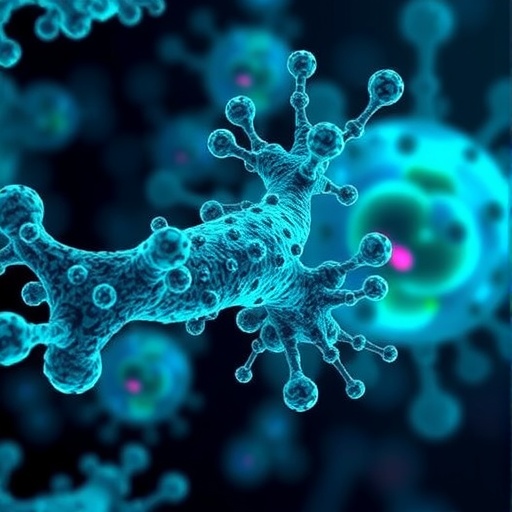
LA JOLLA (July 24, 2026)—As populations age worldwide, the key challenge is not just living longer but staying healthy longer. Researchers at the Salk Institute are targeting the cellular causes that turn aging into progressive tissue dysfunction. Their latest work focuses on two processes frequently observed in aged cells: cellular senescence and ferroptosis, a programmed cell death pathway driven by toxic lipid damage.
Senescent cells stop dividing yet may persist, sometimes harming surrounding tissue through altered signaling. Ferroptosis, in contrast, occurs when cells lose the capacity to restrain lipid peroxidation. In healthy cells, antioxidant defenses centered on glutathione help maintain lipid redox balance and prevent lethal ferroptotic damage.
In human lung cell cultures, the Salk team identified a mechanistic link between these two aging-associated states. Senescent cells showed heightened activity of acid ceramidase, an enzyme that reshapes sphingolipid and broader lipid profiles. As acid ceramidase levels rose with senescence, cells became increasingly vulnerable when ferroptosis was experimentally triggered.
The study then tested causality by removing acid ceramidase. Eliminating the enzyme protected both young and senescent cells from ferroptosis-inducing conditions, indicating that acid ceramidase is not merely correlated with vulnerability but can drive it through lipid metabolism. Notably, the mechanism described operates independently of classic ferroptosis hallmarks such as iron accumulation or glutathione depletion.
A further implication emerged from cell-to-cell effects. The researchers observed that ferroptosis susceptibility could be propagated from vulnerable senescent cells to neighboring cells, offering an explanation for how a limited number of altered cells might amplify dysfunction across a tissue over time.
The work also reframes therapeutic strategy. Because acid ceramidase is already a druggable target in other disease contexts, existing experimental pharmacology provides a proof-of-concept that similar interventions could be repurposed to modulate senescence–ferroptosis coupling during aging.
Salk researchers emphasize that this pathway could enable “dual impact” treatments: reducing senescent cell burden while supporting nearby cells against lipid-peroxidation collapse. First author David Soriano-Castell highlights that the identified route appears distinct from previously described ferroptosis mechanisms.
The study was published in Cell Death and Disease on July 10, 2026, and is funded by the National Institutes of Health and the Bundy Foundation.
Subject of Research: Cells
Article Title: Acid ceramidase modulates the lipid profile and exacerbates sensitivity to ferroptosis in WI-38 replicative senescent cells
News Publication Date: July 24, 2026
Web References: https://www.nature.com/articles/s41419-026-09108-y#article-info
References: 10.1038/s41419-026-09108-y
Image Credits: Salk Institute
Keywords: aging, senescence, ferroptosis, acid ceramidase, lipid metabolism, cell death pathways, lung cells, cellular vulnerability
Tags: acid ceramidase roleaging-related cell deathantioxidant defenses in cellscellular senescence mechanismsenzyme discoveryferroptosis in aginglipid metabolism in cell deathlipid peroxidation preventionprogrammed cell death pathwayssenescent cell removaltherapeutic targets for age-related diseasestissue health in aging