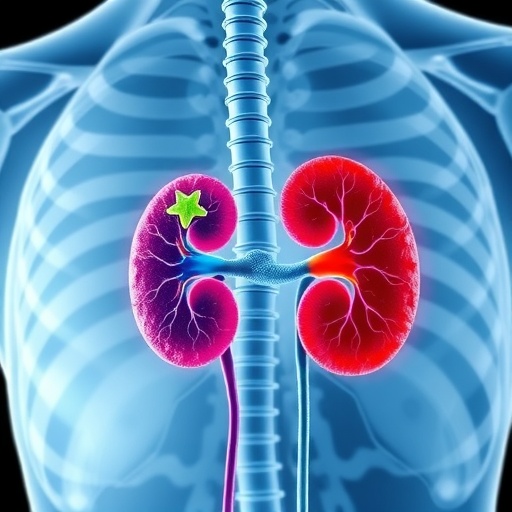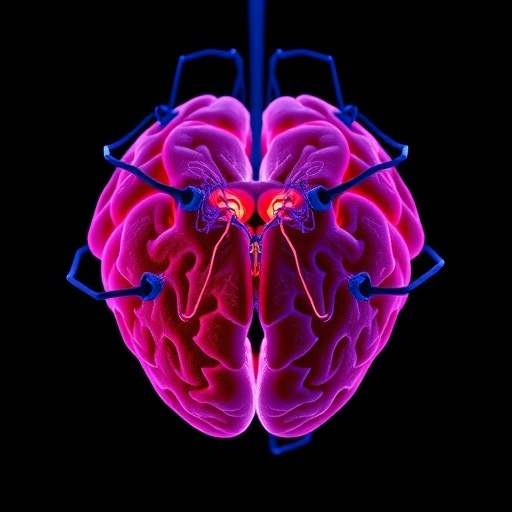
A new study in npj Parkinson’s Diseases reports that people with isolated REM sleep behavior disorder (iRBD) show disrupted communication between the heart and brain while they are awake—before many develop clinically obvious neurodegenerative symptoms. The finding adds a vital “awake” layer to a condition long associated primarily with disrupted sleep and abnormal motor activity during REM.
Researchers led by Bernasconi and colleagues used a heart–brain coupling framework to probe how autonomic cardiac signals coordinate with neural dynamics outside the sleep laboratory. By focusing on awake participants, the team aimed to separate trait-like network differences from changes that might only occur during REM-related episodes.
Methodologically, the approach connects cardiac timing variability—a readout of autonomic regulation—to measures of brain activity that reflect large-scale network coordination. Rather than treating the heart as a peripheral bystander, the study treats it as a measurable partner in brain-state organization.
Participants with iRBD demonstrated altered coupling patterns compared with controls, suggesting that the autonomic nervous system and the brain’s regulatory circuits may be operating less harmoniously. Such changes may reflect early dysfunction in pathways that overlap across sleep regulation, autonomic control, and neurodegenerative disease risk.
The results are consistent with the idea that iRBD can act as an early biomarker for broader brain network vulnerability. Importantly, the authors interpret the coupling shifts as potential evidence of a disease-relevant physiological signature that persists beyond sleep.
From a viral-science-news perspective, the most striking message is timing: if heart–brain coordination is already disturbed during wakefulness, clinicians may be able to monitor iRBD-related risk with tools that are simpler than polysomnography alone.
The study also raises mechanistic possibilities. Dysregulation of brainstem and autonomic pathways could impair how the body anticipates and stabilizes internal states, leading to measurable variability in both cardiac regulation and neural coordination.
While more work will be needed to confirm generalizability across larger cohorts and to determine how coupling evolves over time, the report offers a clear new target for early detection and stratification.
If replicated, heart–brain coupling biomarkers could become part of a future pipeline for identifying neurodegenerative trajectories in individuals presenting with iRBD—turning a sleep disorder into an accessible window on brain–body network health.
Subject of Research: Isolated REM sleep behavior disorder and altered heart–brain coupling in awake patients.
Article Title: Altered heart-brain coupling in awake patients with isolated REM sleep behaviour disorder.
Article References: Bernasconi, F., van der Meer, J., Merchant, Z. et al. Altered heart-brain coupling in awake patients with isolated REM sleep behaviour disorder. npj Parkinsons Dis. (2026). https://doi.org/10.1038/s41531-026-01485-7
Image Credits: AI Generated
Tags: Autonomic Nervous Systemautonomic-cognitive interactionawake heart-brain couplingbrain network dynamicscardiac autonomic signalsearly neurodegenerative biomarkersheart-brain communication disruptionneural network coordinationneurodegenerative disease riskpreclinical Parkinson’s disease indicatorsREM sleep behavior disordersleep regulation and neurodegeneration