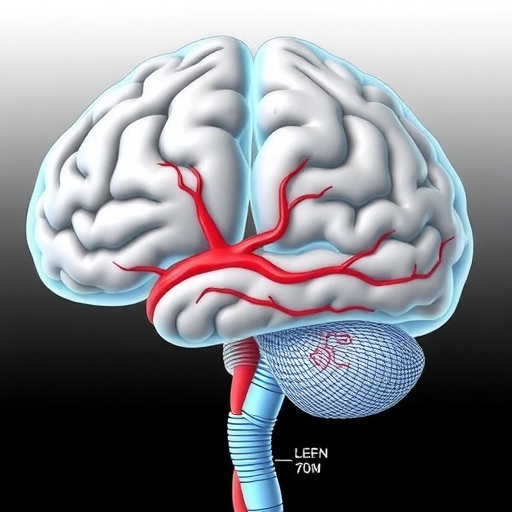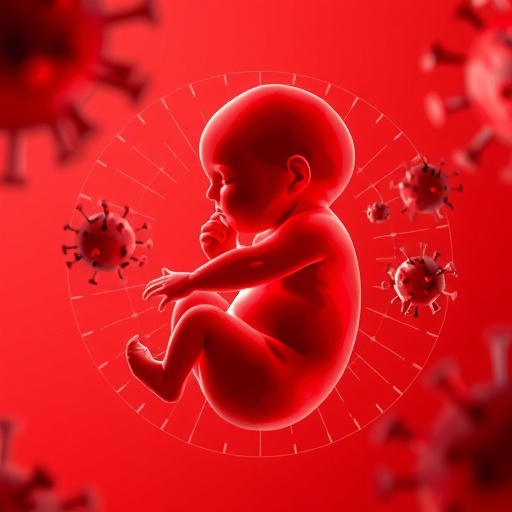
In a new study reported in J Perinatology, researchers investigate whether exposure to SARS-CoV-2 during pregnancy can shape early brain and behavioral development in children. Although mother-to-fetus transmission is considered uncommon, the possibility that fetal development may be affected even without established viral infection remains a key scientific question.
The team assessed infants at two developmental milestones—12 months and 22 months—using established neurodevelopmental measurement approaches. Their goal was to determine whether prenatal exposure to SARS-CoV-2 is associated with measurable differences in outcomes over time, rather than relying on short-term or retrospective observations alone.
A central challenge in prenatal infection research is separating true in utero viral effects from confounding factors that accompany pregnancy during a pandemic. These factors can include maternal immune responses, changes in healthcare access, stress, socioeconomic disruptions, and differences in postnatal caregiving. The investigators therefore focused on analytical strategies designed to account for relevant maternal and clinical variables when evaluating developmental trajectories.
The report highlights that even when vertical transmission is rare, immune signaling and placental inflammation induced by maternal infection could plausibly influence neurodevelopment. Mechanistically, viral exposure during critical periods could alter cytokine profiles, placental function, or fetal neuroimmune development, potentially affecting motor skills, social engagement, or cognitive precursor abilities.
By following children into the second year of life, the study aims to capture developmental patterns that may not be evident at earlier ages. Neurodevelopmental outcomes often emerge gradually, and delayed differences can become clearer only as language, attention, and adaptive skills develop.
While the findings are framed as associations rather than proof of causality, the study adds weight to the need for careful follow-up of infants whose mothers experienced SARS-CoV-2 infection during pregnancy. Such follow-up is especially important as prenatal infection patterns evolve with changing viral variants and vaccination coverage.
Overall, the work contributes to a growing body of “viral science news” emphasizing long-term outcomes after prenatal exposure, not just immediate birth complications. The results encourage clinicians and researchers to consider neurodevelopment as part of postnatal surveillance strategies following maternal SARS-CoV-2 infection.
As more cohorts accumulate data across different waves of the pandemic, future studies will be better positioned to clarify which biological pathways drive any observed effects and which infants may be most vulnerable, if at all.
Subject of Research: In utero SARS-CoV-2 exposure and infant neurodevelopmental outcomes
Article Title: The association of in utero SARS-CoV-2 exposure on neurodevelopmental outcomes at 12 and 22 months
Article References: Kharrat, A., Gleeson, E., Pippert, V. et al. The association of in utero SARS-CoV-2 exposure on neurodevelopmental outcomes at 12 and 22 months. J Perinatol (2026). https://doi.org/10.1038/s41372-026-02819-2
Image Credits: AI Generated
DOI: https://doi.org/10.1038/s41372-026-02819-2
Keywords: in utero exposure, SARS-CoV-2, neurodevelopment, pregnancy, infant outcomes
Tags: confounding factors in prenatal infection studiescytokine profiles and fetal brain developmentearly childhood neurodevelopmental assessmenteffects of maternal stress and healthcare access duringfetal neurodevelopmentimpact of maternal COVID-19 on infant brain developmentin utero SARS-CoV-2 transmissionlong-term developmental outcomes of COVID-19 exposurematernal immune response during pregnancyneurobehavioral outcomes at 12 and 22 monthsplacental inflammation and neurodevelopmentprenatal SARS-CoV-2 exposure