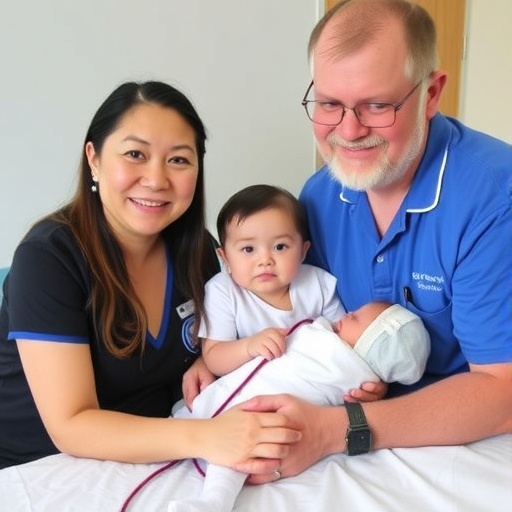
Neonatology studies face a stubborn bottleneck: enrolling families at the exact moment when medical decisions must be made quickly—and when consent is often emotionally complex. In a quality-improvement project described in J Perinatology, a team focused on how the research experience itself can be streamlined, with the goal of reducing participation barriers and limiting bias created by who is able to join.
Time-limited decision-making can funnel families into “either-or” pathways—consent is requested when options feel overwhelming, or it is deferred because the clinical situation is still evolving. That delay can unintentionally exclude eligible parents who may need time to process information, thereby skewing samples toward those with greater bandwidth.
Another challenge is consent complexity. Neonatal research involves high stakes, detailed protocols, and uncertainty that may persist for weeks. When researchers use process-heavy approaches—lengthy discussions, fragmented steps, or unclear timelines—families may interpret participation as a burden rather than an opportunity for contribution.
The quality improvement effort examined the neonatology research workflow from a family-centered perspective. Rather than treating enrollment as a purely administrative task, the team optimized the experience by redesigning how information is delivered and how support is coordinated across the clinical and research teams.
Technically, the project emphasized operational improvements that can be tracked over time—such as standardizing key steps, aligning messaging with family comprehension, and reducing friction between bedside care and research participation. These adjustments aim to make consent feel less like a one-time event and more like a guided process that fits the realities of neonatal care.
Importantly, the researchers argue that these procedural refinements can help counter selection bias. If enrollment barriers decrease, the likelihood increases that families who might otherwise decline—or be missed—are represented in study cohorts.
In viral science news, this shift matters beyond neonatology: it highlights a broader lesson for clinical research. Consent is not only a legal requirement; it is also a moment of communication design, shaped by time pressure, workload, and emotional context.
The work underscores that improving “how research feels” can improve “who research includes.” In neonatal settings, where the clock is unforgiving, careful workflow engineering may be as consequential as the science itself.
Subject of Research: Neonatology research enrollment, consent complexity, and selection bias reduction through quality improvement.
Article Title: A quality improvement project to optimize the neonatology research experience for families.
Article References: Castellanos, M.B., Baca-Arzaga, A., Mourão, M.L. et al. A quality improvement project to optimize the neonatology research experience for families. J Perinatol (2026). https://doi.org/10.1038/s41372-026-02809-4
Image Credits: AI Generated
DOI: https://doi.org/10.1038/s41372-026-02809-4
Keywords:
Tags: clinical and research team coordinationconsent process optimization in neonatal studiesemotional complexity in neonatal consentfamily-centered research workflowimproving family communication in neonatal researchNeonatology research enrollment barriersoperational improvements in neonatal researchpatient experience enhancement in neonatal studiesquality improvement in neonatal researchreducing bias in neonatal research participationstreamlining neonatal research procedurestiming challenges in neonatal clinical trials