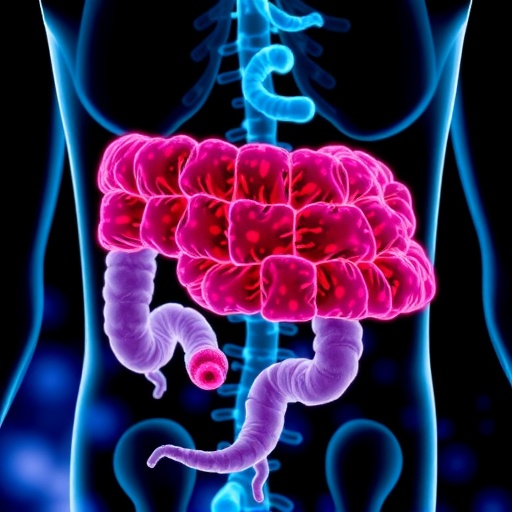
A new study led with University of Nebraska–Lincoln researchers reports that metabolites made by specific gut bacteria can strengthen the body’s immune response to cancer. Published in Cell Reports Medicine, the work focuses on how microbial chemistry in the intestine may help determine whether immunotherapy is effective.
The team zeroed in on Bacteroides uniformis, a gut bacterium capable of converting the amino acid tryptophan into indole compounds. In mouse models, these indole metabolites were linked to enhanced anti-tumor immunity, resulting in reduced melanoma growth.
To establish causality rather than correlation, researchers used germ-free mice to isolate the effect of this metabolic pathway. Only the indole-producing bacterial strain restored the immune benefits, demonstrating that the tryptophan-to-indole conversion is the critical driver.
When the scientists introduced a genetically modified Bacteroides uniformis that could no longer perform tryptophan degradation into indoles, the protective effect vanished. Tumors then progressed normally, reinforcing the idea that the metabolites themselves—rather than the presence of bacteria alone—shape immune outcomes.
The study also connects the mechanism to human responses. By analyzing samples from cancer patients undergoing immunotherapy, investigators observed elevated levels of enzymes involved in indole production among patients who responded better to treatment.
Together, these findings suggest that indole-producing microbes and their metabolic outputs could serve as biomarkers for immunotherapy responsiveness. More broadly, they point to microbiome-aware strategies that could be engineered through diet, microbial supplementation, or direct delivery of beneficial compounds.
Amanda Ramer-Tait, a professor in Food Science and Technology at UNL, emphasized the promise of identifying a specific microbe-metabolite pair to explain why some patients respond while others do not. Co-leader Ze’ev Ronai highlighted the therapeutic potential of turning these mechanistic insights into future interventions.
Because indoles have roles in modulating immune function beyond melanoma, the approach may extend to other cancer types where immune checkpoint inhibitors are used. The research also notes that work is progressing toward translational applications informed by microbiome metabolism.
Subject of Research: Animals
Article Title: Tryptophan degradation by intestinal Bacteroides induces anti-tumor immunity and limits melanoma growth
News Publication Date: 14-Jul-2026
Web References: https://www.cell.com/cell-reports-medicine/fulltext/S2666-3791(26)00338-1
References: http://dx.doi.org/10.1016/j.xcrm.2026.102921
Image Credits: Craig Chandler/University of Nebraska–Lincoln Communication and Marketing
Keywords: gut microbiome, tryptophan degradation, indole metabolites, Bacteroides uniformis, anti-tumor immunity, melanoma, immunotherapy, germ-free mice
Tags: Bacteroides uniformis and tryptophan metabolismgerm-free mouse models in cancer researchgut bacteria influence anti-tumor immune responsegut microbial chemistry and tumor suppressiongut microbiome and cancer immunotherapyindole compounds and immune enhancementmicrobial metabolites in cancer treatmentmicrobial modulation of cancer immune responsemicrobial-derived indoles and tumor growthmicrobiome biomarkers for immunotherapy responsemicrobiome-driven cancer immunotherapy