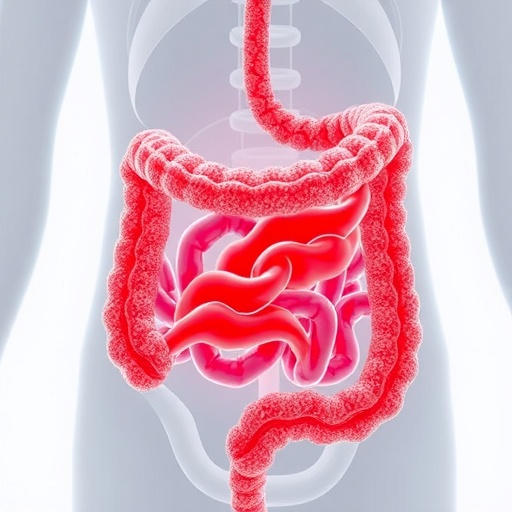
Australian scientists have uncovered a crucial role for the protein BECLIN1 in maintaining gut integrity and defending against intestinal inflammation, offering fresh insights into conditions like inflammatory bowel disease (IBD) and associated colorectal cancer risks. Their study reveals that even a modest reduction in BECLIN1 levels compromises the gut’s protective barrier, increasing vulnerability to inflammation and long-term disease progression.
A functional intestinal barrier is paramount for separating the body from the complex milieu within the gut, including microbes and digestive substances. BECLIN1, a pivotal regulator of autophagy—the cellular recycling and clearance system—exists in the cells that form this barrier, particularly goblet cells responsible for mucus production. The researchers explored preclinical models with reduced BECLIN1 expression to determine how this deficiency affects gut resilience.
Dr. Juliani, the study’s first author, describes BECLIN1 as a “dimmer switch” for intestinal defense: lowering its presence does not trigger immediate pathology but weakens goblet cells, diminishing mucus secretion that protects gut lining. This subtle decrease undermines the intestine’s ability to withstand physiological stress. Prior research demonstrated that complete loss of BECLIN1 leads to catastrophic failure of the intestinal barrier; this new work highlights the damaging effects of less extreme reductions akin to those observed in other diseases such as cancer.
Inflammatory bowel diseases like Crohn’s and ulcerative colitis, impacting millions worldwide, involve chronic gut inflammation that can escalate to colorectal cancer. The mechanisms initiating barrier weakening before overt inflammation have remained elusive until now. By elucidating how BECLIN1 insufficiency undermines early barrier function, this research sheds light on biological events that precede and possibly promote disease onset.
Co-senior author Associate Professor Doug Fairlie emphasizes the importance of understanding these initial vulnerabilities, which may open avenues for preemptive therapeutic approaches. The study’s findings implicate autophagy dysregulation in the maintenance of gut homeostasis and highlight potential molecular targets to bolster barrier defenses.
The urgency of this research is underscored by rising global bowel cancer rates—nearly 2 million diagnoses in 2022 alone—and worrying increases in younger populations. By shifting focus to the early, often silent stages of barrier compromise, the team aims to inform the development of interventions that halt disease before irreversible damage and cancer progression occur.
Professor Erinna Lee, co-senior author and Cancer Program Lead at La Trobe Institute for Molecular Science, notes that this paradigm shift from treating inflammation to preventing it offers exciting possibilities to revolutionize gastrointestinal healthcare. Understanding the nuanced role of autophagy and BECLIN1 in gut biology could transform strategies to combat inflammatory diseases and reduce cancer risk.
This pioneering investigation was supported by numerous Australian and international grants, exemplifying collaborative dedication to unraveling complex disease mechanisms with profound implications for millions living with gut disorders.
Subject of Research: Animals
Article Title: Impact of BECLIN1 haploinsufficiency on goblet cell function and susceptibility to colitis
News Publication Date: 17-Jun-2026
References: 10.1038/s41419-026-08984-8
Image Credits: Olivia Newton-John Cancer Research Institute
Keywords: Inflammatory bowel diseases, Colorectal cancer, Colon cancer, Cell death, Cell survival, Autophagy
Tags: autophagy and cellular recycling in gut cellsBECLIN1 autophagy regulationcellular mechanisms of colorectal cancer riskconnection between BECLIN1 levels and inflammatory bowel diseaseearly stages of intestinal barrier weakeninggut integritygut microbiome protection mechanismsimpact of protein deficiency on gut resilienceintestinal inflammation preventionmucus production and barrier functionpreclinical models of gut barrier dysfunctionrole of goblet cells in gut health