A groundbreaking study from Alliance Foundation Trials (AFT) has demonstrated that weekly electronic symptom monitoring significantly improves quality of life for patients undergoing treatment for advanced cancer. Published in JCO Oncology Practice, the trial showed that this remote symptom tracking is especially beneficial for underserved populations, including Black patients and those with lower educational attainment, marking a critical advancement in addressing healthcare disparities in oncology.
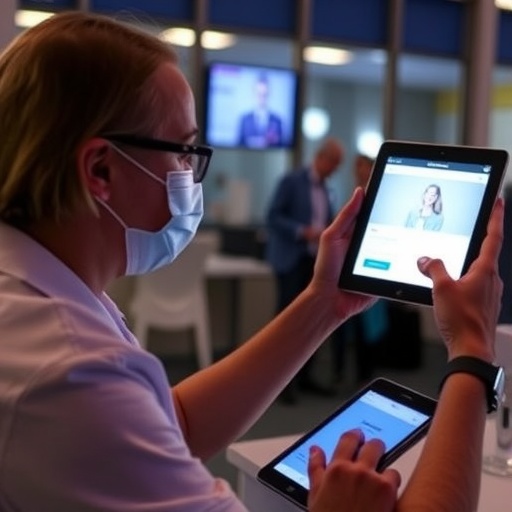
The randomized controlled trial, known as PRO-TECT (Patient-Reported Outcomes To Enhance Cancer Treatment), enrolled 1,191 adults across 52 community oncology clinics. Participants were divided into two groups: one receiving standard care and the other completing weekly brief symptom surveys remotely, either online or via an automated telephone system to ensure accessibility regardless of internet availability. Alerts generated from severe symptom reports were sent immediately to nursing staff, facilitating timely interventions.
This method of real-time patient-reported outcomes bypasses traditional barriers such as communication gaps and clinician biases, enabling care teams to proactively manage side effects and potentially delay emergency department visits—a known source of distress for cancer patients. After three months, those engaged with the electronic monitoring system exhibited notable improvements in both symptom control and physical functioning relative to controls.
Importantly, subgroup analyses revealed that Black patients experienced a pronounced reduction in symptom disparities compared to White patients, effectively closing the baseline gap by the study’s end. These patients also reported feeling more empowered in managing their care and had improved communication with healthcare providers. Meanwhile, patients with a high school education or less showed the most substantial benefits, underscoring the intervention’s potential to enhance equity in supportive cancer care.
Younger patients and women—two groups that typically report higher treatment-related distress—also saw significant gains in overall well-being, indicating broad applicability of this technology across diverse demographics. The study authors suggest that universal adoption of remote symptom check-ins in cancer care could serve as an influential tool for mitigating healthcare inequities by systematically identifying and addressing patient concerns.
This trial was supported by AFT and the Patient-Centered Outcomes Research Institute (PCORI) and utilized technology infrastructure from the UNC Lineberger Comprehensive Cancer Center’s Patient-Reported Outcomes Core. Researchers advocate for further studies to validate these findings in more generalized patient populations and to explore how emerging digital health tools can continue improving cancer treatment experiences.
These compelling results highlight how integrating digital health methodologies in oncology not only enhances symptom management and quality of life but also promotes health equity, thereby shaping the future of personalized cancer care.
Subject of Research: People
Article Title: Benefits of Electronic Symptom Monitoring During Cancer Treatment by Age, Sex, Race, and Education (Alliance AFT-39)
News Publication Date: 12-May-2026
Web References: https://ascopubs.org/doi/10.1200/OP-26-00015
References: Benefits of Electronic Symptom Monitoring During Cancer Treatment by Age, Sex, Race, and Education (Alliance AFT-39), JCO Oncology Practice, DOI: 10.1200/OP-26-00015
Image Credits: Alliance Foundation Trials
Keywords: cancer patients, oncology, health equity, patient monitoring, electronic symptom tracking, digital health, clinical trial, cancer treatment outcomes
Tags: addressing communication barriers in cancer treatmentcancer patient symptom monitoringdigital health interventions for underserved populationselectronic patient-reported outcomeshealthcare disparities in cancer careimpact of digital check-ins on quality of lifeimproving cancer care through technologypatient engagement in cancer treatmentrandomized controlled trials in oncologyreal-time symptom alerts for cancer patientsremote symptom tracking in oncologytelehealth solutions for cancer symptom management