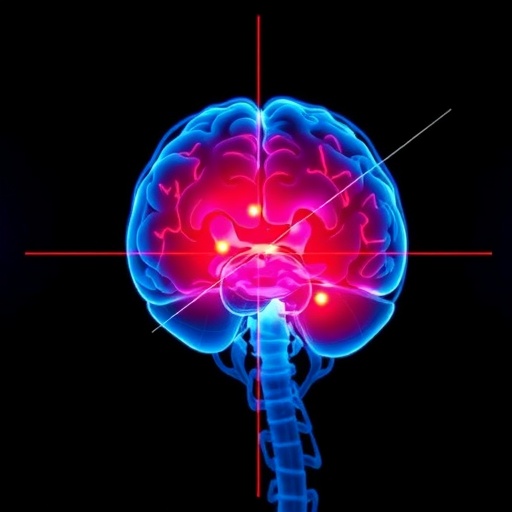
South Korean researchers have unveiled an innovative artificial intelligence (AI) system capable of detecting early signs of cerebrovascular disease by monitoring subtle behavioral changes in older adults at home. Developed through a collaboration led by KAIST, this technology utilizes contactless sensors to analyze daily activity patterns, sleep quality, circadian rhythms, and indoor environmental factors, providing an unprecedented window into prodromal risk stages before clinical symptoms emerge.
Traditional diagnosis of cerebrovascular disease typically occurs only after noticeable symptoms prompt medical consultations, which risks delaying critical treatment. By contrast, the KAIST-led team harnessed lifelog data from 1,224 elderly participants, collecting over 13,000 biweekly samples in real residential settings through sensors monitoring movement, sleep, and environmental variables like humidity. Integrating these data with patient age and chronic disease histories, their AI model identified digital behavioral markers indicative of escalating stroke risk.
A key breakthrough lies in the system’s ability to differentiate between individuals in a stable pre-risk phase and those in an imminent diagnostic window, defined as within four weeks before clinical diagnosis. Impressively, this binary classification achieved 96.5% accuracy, demonstrating the AI’s potential to flag patients approaching critical periods well before conventional detection methods. Patterns such as irregular nocturnal activity between 10 p.m. and 2 a.m., usually reserved for sleep, alongside diminished evening activity and increased sedentary time, were hallmark signs identified by the algorithm.
The research further integrated explainable AI techniques, uncovering lifestyle and environmental contributors behind its predictions. For example, dry indoor air—characterized by low humidity—emerged as a significant environmental risk factor for imminent cerebrovascular events. This insight offers actionable data points that caregivers and healthcare professionals could monitor and potentially modify to mitigate risk.
While this technology is not designed to replace clinical diagnosis, it offers a vital support tool for early intervention by continuously and non-invasively surveillance behavioral health markers. Professor Lisa Lim, lead author and civil engineering expert, highlights that their approach shifts the paradigm from reactive healthcare towards prevention and timely medical engagement by detecting warning signals embedded in everyday life routines.
Future research aims to validate these promising findings in larger cohorts to establish generalizability and clinical efficacy. With cerebrovascular diseases remaining a leading cause of morbidity and mortality worldwide, such AI-driven home monitoring holds promise for reducing stroke incidence through personalized risk assessment and proactive health management.
This study was published in the high-impact journal npj Digital Medicine on June 2, 2026, marking a milestone in digital healthcare innovation by demonstrating how subtle lifestyle alterations detected at home can inform disease trajectory prediction and prevention strategies.
Subject of Research: AI-based early detection of cerebrovascular disease through home monitoring
Article Title: AI home monitoring for behavioral markers of cerebrovascular disease
News Publication Date: 2-Jun-2026
Web References: http://dx.doi.org/10.1038/s41746-026-02836-7
Image Credits: KAIST
Keywords
Artificial Intelligence, Cerebrovascular Disease, Early Detection, Behavioral Markers, Digital Health, Home Monitoring, Lifelog Data, Explainable AI
Tags: AI accuracy in health risk classificationAI-based early detection of cerebrovascular diseasebehavioral analysis for stroke risk predictioncircadian rhythm monitoring in seniorscontactless sensors for health monitoringdigital behavioral markers of cerebrovascular diseasehome-based elderly health surveillanceindoor environmental impact on cerebrovascular healthlifespan data analysis for disease preventionmachine learning models for early stroke detectionpre-symptomatic detection of stroke riskreal-world sensor data for medical diagnostics