In a groundbreaking study that could have significant implications for cancer treatment, researchers have uncovered a surprising link between polyvinyl chloride (PVC) exposure and increased radioresistance in hepatocellular carcinoma (HCC), a primary form of liver cancer. The investigation, led by Zhang, H., Lu, Y., Xiong, H., and colleagues, sheds new light on how environmental factors might interfere with the immune system’s ability to respond effectively to radiation therapy.
Radiotherapy is a cornerstone treatment for many cancer types, including HCC, relying heavily on the immune system’s activation—particularly that of CD8⁺ T cells, which play a vital role in targeting and killing tumor cells post-irradiation. However, the new study reveals that PVC, a ubiquitous synthetic plastic polymer, can markedly inhibit the differentiation of these critical immune cells during radiotherapy.
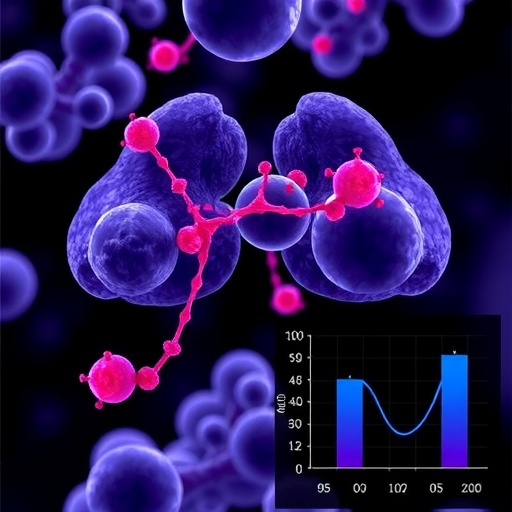
The researchers conducted extensive in vitro and in vivo experiments to simulate the tumor microenvironment and assess the impact of PVC on immune cell behavior. Their data showed that PVC exposure leads to a significant reduction in the proportion of CD8⁺ T cells capable of differentiating into their cytotoxic forms, which are essential for mounting an effective anti-tumor response. This inhibition contributes directly to enhanced radioresistance in HCC cells, effectively enabling tumors to survive and grow despite irradiation.
Mechanistically, the study identifies alterations in key signaling pathways responsible for T cell differentiation, including interferon-gamma (IFN-γ) and T-bet transcription factor activities. PVC appears to interfere with these signals, dampening the immune system’s ability to modulate its response to radiation-induced stress in the tumor environment. This immunosuppressive effect represents a novel mechanism by which a common environmental pollutant can impair cancer treatment outcomes.
Notably, the implications extend beyond the laboratory; the findings raise important public health considerations regarding chronic PVC exposure and its potential to undermine the efficacy of cancer therapies. Given the widespread use of PVC in medical supplies, building materials, and consumer products, these insights highlight a hidden challenge in oncology, where the intersection of environmental toxicology and immunotherapy is increasingly relevant.
The study also opens new avenues for therapeutic intervention. If the inhibitory effects of PVC on CD8⁺ T cell differentiation can be counteracted, patients undergoing radiotherapy for HCC might experience improved treatment response rates. Potential strategies could include the development of adjuvant therapies aimed at restoring immune cell functionality or reducing environmental PVC exposure during cancer management.
Overall, this research marks a significant advance in our understanding of the complex interactions between environmental pollutants and cancer treatment. By elucidating the role of PVC in promoting tumor radioresistance through immune suppression, Zhang and colleagues provide a critical foundation for future studies aimed at optimizing radiotherapy efficacy in the face of environmental challenges. As cancer care moves toward increasingly personalized and multifaceted approaches, recognizing and mitigating such external factors could prove vital in improving patient outcomes.
Subject of Research: Polyvinyl chloride’s impact on radiotherapy and immune response in hepatocellular carcinoma
Article Title: Polyvinyl chloride promotes radioresistance in hepatocellular carcinoma by inhibiting radiotherapy-induced CD8⁺ T cell differentiation
Article References:
Zhang, H., Lu, Y., Xiong, H. et al. Polyvinyl chloride promotes radioresistance in hepatocellular carcinoma by inhibiting radiotherapy-induced CD8⁺ T cell differentiation. Nat Commun (2026). https://doi.org/10.1038/s41467-026-75415-9
Image Credits: AI Generated
Tags: cancer immunotherapyCD8+ T cell immune responseenvironmental toxins and cancer progressionhepatocellular carcinomaimmune cell differentiation inhibitionimmune suppression in cancerliver cancer treatmentplastic exposure and tumor immune evasionplastic polymer impact on immunityPVC environmental exposureradiotherapy resistance mechanismstumor microenvironment