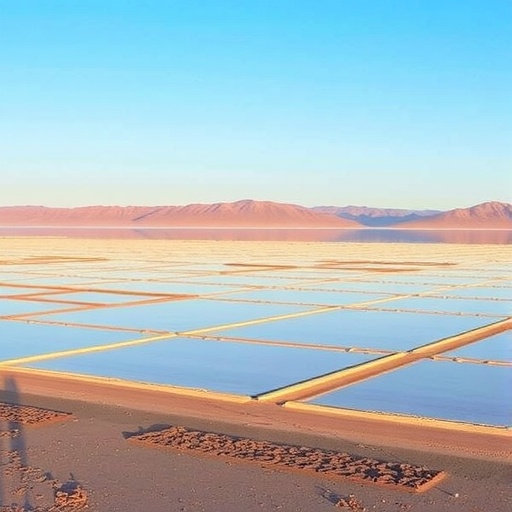
A groundbreaking advancement in lithium extraction technology promises to reshape the clean energy landscape by tapping into an unconventional and abundant resource: geothermal brines from the Salton Sea region. Researchers have unveiled new pathways that significantly enhance the viability and cost-competitiveness of lithium production from these geothermal fluids, addressing one of the critical bottlenecks in the global shift towards electric vehicles and renewable energy storage.
Lithium, a pivotal component of batteries powering electric vehicles and portable electronics, currently faces supply chain challenges owing to traditional mining constraints. Conventional extraction methods often involve energy-intensive processes with substantial environmental footprints. The Salton Sea geothermal brines, rich in lithium, present a vast, yet underutilized resource, but technical complexities have until now stymied efficient recovery.
The research highlights innovative extraction techniques that leverage the unique chemical and thermal properties of geothermal brines. By integrating advanced membrane separation and selective adsorption materials optimized for the high-temperature and high-salinity conditions of Salton Sea brines, the team achieved significant improvements in lithium recovery rates. These methods demonstrate the ability to isolate lithium ions with minimal interference from competing elements such as magnesium and calcium, which traditionally complicate extraction efforts.
Moreover, the study emphasizes the synergy between geothermal energy production and lithium extraction. Utilizing the existing geothermal power infrastructure not only supplies the necessary energy for extraction processes but also enables a co-production model that reduces operational costs and environmental impact. This integrated approach exemplifies circular resource utilization, transforming what was previously regarded as waste brine into a valuable feedstock for lithium.
Economic modeling within the research reveals that these technological advancements could lower lithium production costs to a level competitive with or better than conventional mining. The scalability of such operations is particularly relevant as demand for lithium is expected to surge dramatically in the coming decades. Salton Sea’s geothermal brine resources could thus become a linchpin in establishing a more localized, sustainable lithium supply chain within the United States.
The environmental implications of this work are equally promising. Extracting lithium from geothermal brines circumvents many environmental risks associated with hard-rock mining and evaporation pond usage, such as habitat destruction and water overuse. Furthermore, the closed-loop nature of geothermal energy systems allows for continuous lithium recovery without significant landscape disruption.
Researchers also addressed potential challenges, including managing impurities and ensuring long-term sustainability of the geothermal reservoirs. Ongoing trials aim to optimize process efficiency and durability of extraction materials under extreme geothermal conditions. Early pilot projects have demonstrated the feasibility of continuous operation over extended periods without compromising lithium yield.
In light of the urgent need for sustainable lithium supplies, this research marks a pivotal step toward revolutionizing how critical battery materials are sourced. By harnessing the untapped potential of Salton Sea geothermal brines, the development offers a pathway to reconcile environmental stewardship with the pressing demand for green energy technologies.
As electric vehicle adoption accelerates globally, innovations like these could ensure more resilient and eco-friendly supply chains, ultimately supporting a cleaner energy future fueled by technological ingenuity and environmental responsibility.
Subject of Research: Lithium production from Salton Sea geothermal brines.
Article Title: Pathways to cost competitive and viable lithium production from Salton Sea geothermal brines.
Article References:
Wesselkaemper, J., Renaud, T., Araya, N. et al. Pathways to cost competitive and viable lithium production from Salton Sea geothermal brines. Nat Commun (2026). https://doi.org/10.1038/s41467-026-75389-8
Image Credits: AI Generated
Tags: advanced membrane separation technologycost-effective lithium production techniquesenvironmentally friendly lithium extraction methodsgeothermal lithium extractionhigh-temperature brine processingimpact on electric vehicle battery supply chainovercoming technical challenges in geothermal brine extractionrenewable energy storage material sourcingSalton Sea geothermal resource potentialselective adsorption materials for lithium recoverysustainable resource utilization