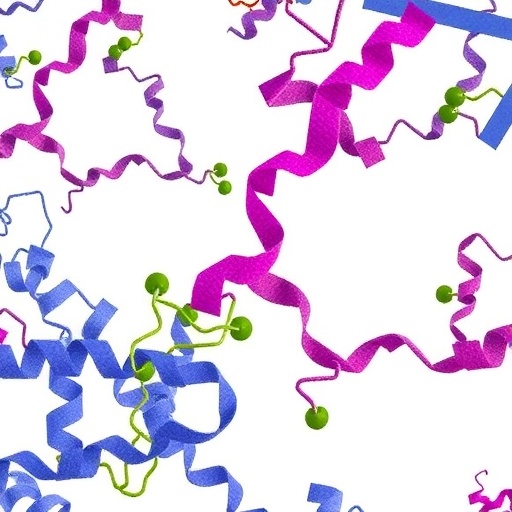
Metabolic disorders such as obesity and type 2 diabetes mellitus (T2DM) have escalated into a global health crisis, posing unprecedented challenges for medical science and public health policy alike. Both conditions disrupt fundamental biological processes, culminating in severe systemic complications and heightened mortality risks worldwide. At the molecular level, peroxisome proliferator-activated receptor gamma (PPARγ) emerges as a pivotal regulator, overseeing lipid metabolism, insulin sensitivity, and adipocyte differentiation. This critical role underscores PPARγ as a prime therapeutic target in the ongoing battle against metabolic syndromes.
The classical pharmacological approach to modulating PPARγ activity involves thiazolidinediones (TZDs), compounds that exert potent insulin-sensitizing effects by binding primarily to the receptor’s ligand-binding domain (LBD). While effective, these agents have repeatedly encountered clinical hurdles due to significant adverse effects, including undesirable weight gain, fluid retention, and exacerbated cardiovascular risk profiles. Consequently, the quest for safer, more selective PPARγ modulation strategies has intensified, driving innovative research toward dissecting the receptor’s structure-function relationship and regulatory mechanisms with extraordinary precision.
Recent advances have unveiled a complex, multi-layered regulatory network governing PPARγ activity. Among these, the modulation of post-translational modifications—specifically the phosphorylation of serine 273 (Ser273)—has attracted substantial attention. Selective PPARγ modulators (SPPARMs) that target this phosphorylation event strategically preserve the metabolic benefits of PPARγ activation without engaging the full spectrum of activity triggered by TZDs. This nuanced receptor engagement mitigates off-target effects and may revolutionize treatment paradigms in metabolic disease management.
A groundbreaking integration of the long non-coding RNA (lncRNA) Snhg9 into the PPARγ regulatory landscape marks a new frontier in understanding gene expression control in metabolic homeostasis. The recently characterized Snhg9-CCAR2-SIRT1-PPARγ axis exemplifies a sophisticated RNA-mediated regulatory mechanism influencing PPARγ function. This regulatory cascade suggests that lncRNAs may serve as potent modulators of metabolism, potentially enabling RNA-based therapeutic strategies that transcend classical small-molecule pharmacology.
Beyond ligand-dependent regulation, the DNA-binding domain (DBD) of PPARγ has emerged as a promising, yet underexplored, target for gene-selective modulation. This evolving paradigm challenges the current LBD-centric therapeutic design by emphasizing the possibility of fine-tuning receptor activity at the level of gene-specific transcriptional control. Manipulation of the DBD may enable precision targeting of specific metabolic pathways, offering an unprecedented level of therapeutic specificity and efficacy.
The intersection of molecular biology and pharmacology in PPARγ research underscores the critical need for comprehensive structural and functional analyses. High-resolution crystallographic studies have shed light on conformational dynamics within PPARγ domains, illuminating how subtle structural modifications dictate receptor activation states and downstream target gene expression. These insights inform the rational design of modulators capable of exploiting unique allosteric sites with therapeutic benefits.
An intricate balance exists between PPARγ phosphorylation states and the recruitment of coregulators such as CCAR2 and SIRT1, modulators that orchestrate epigenetic and transcriptional machinery. SIRT1, a NAD+-dependent deacetylase, interacts intricately within this axis to regulate metabolic gene programs by modulating PPARγ acetylation and activity. This interplay suggests potential synergies between metabolic control mechanisms and cellular energy sensing pathways, which could be harnessed therapeutically.
The discovery of lncRNAs as key regulatory nodes in metabolic control systems elevates the importance of non-coding genomic elements. Snhg9, in particular, has been implicated in modulating PPARγ’s transcriptional repertoire through its interactions with cofactors, altering chromatin accessibility and the receptor’s response to endogenous ligands. Such findings delineate a novel class of epigenetic regulators, spotlighting RNA as a powerful switch in metabolic gene networks.
Clinical translation of these mechanistic insights depends heavily on the development of SPPARMs that not only modulate Ser273 phosphorylation but also integrate with lncRNA-mediated pathways. Such compounds hold the promise of robust insulin sensitization while bypassing the adverse events that have plagued TZDs. The future of metabolic therapeutics likely hinges on these dual-targeting molecules that couple protein conformation control with RNA-regulatory axis modulation.
Emerging technologies in RNA therapeutics offer an extraordinary toolkit for manipulating lncRNA functions in vivo. Antisense oligonucleotides, RNA interference, and CRISPR-Cas systems could potentially modulate the expression or function of Snhg9, thereby indirectly regulating PPARγ activity. These approaches raise hopeful prospects for personalized metabolic treatments grounded in gene regulation rather than merely receptor agonism.
PPARγ’s pivotal position in adipocyte differentiation links it intimately with lipid homeostasis and energy storage, fundamental processes derailed in obesity and T2DM. Understanding how selective modulation of PPARγ influences adipogenesis at the transcriptional level could redefine therapeutic goals from symptomatic control to addressing root causes of metabolic dysregulation. This shift would be transformative for millions affected worldwide.
The newly recognized hierarchy within the PPARγ regulatory framework beckons a strategic roadmap toward next-generation therapies. This roadmap involves integrated targeting of receptor phosphorylation, lncRNA interaction networks, cofactor recruitment, and domain-specific modulation, all underpinned by cutting-edge molecular insights. The multi-dimensional approach promises enhanced efficacy with minimized side effects, offering a viable path beyond the limitations of current therapeutic agents.
Exciting possibilities also arise from exploring how SPPARMs interface with other nuclear receptors and metabolic pathways, which could reveal combinatory or synergistic effects beneficial in polygenic diseases. Such multidrug or multifunctional agents could revolutionize treatment regimens by addressing the complex etiology of metabolic disorders more holistically.
In summary, recent advances position PPARγ at the nexus of a sophisticated, multi-layered regulatory system with immense therapeutic potential. The dual focus on selective receptor modulation and lncRNA-mediated regulation heralds a paradigm shift in metabolic disease treatment. As research continues to unravel these complex mechanisms, the prospect for innovative, effective, and safer therapies to combat obesity and T2DM grows more tangible than ever before.
Subject of Research: Regulation of Peroxisome Proliferator-Activated Receptor Gamma (PPARγ) in metabolic disorders including obesity and type 2 diabetes mellitus, focusing on selective modulation strategies and the role of long non-coding RNAs.
Article Title: Novel perspectives on PPARγ regulation: from SPPARMs to the emerging role of lncRNAs in metabolic disorders.
Article References:
Qin, H., Wang, Y., Yang, Y. et al. Novel perspectives on PPARγ regulation: from SPPARMs to the emerging role of lncRNAs in metabolic disorders. Int J Obes (2026). https://doi.org/10.1038/s41366-026-02128-w
Image Credits: AI Generated
DOI: 17 June 2026
Tags: adipocyte differentiation and metabolic syndromecardiovascular risk in diabetes treatmentlipid metabolism and obesitynovel diabetes drug developmentphosphorylation of PPARγ Ser273post-translational modifications of PPARγPPARγ regulation in metabolic disordersPPARγ role in insulin sensitivityPPARγ structure-function relationshipselective PPARγ modulators SPPARMstherapeutic targets for type 2 diabetesthiazolidinediones adverse effects