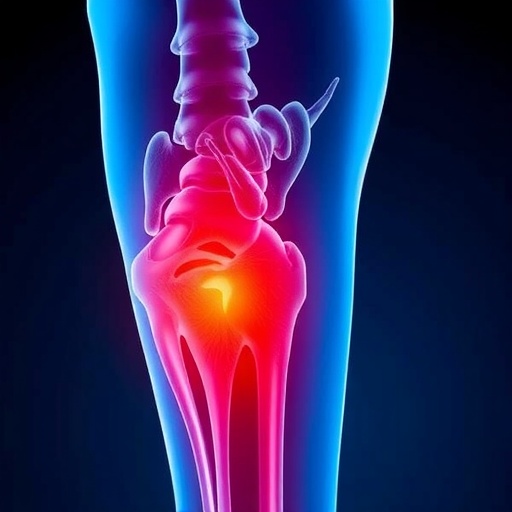
In the age of digital information, social media has emerged as an influential platform for health communication, shaping public understanding of medical conditions at an unprecedented scale. However, the rapid dissemination of health-related content on these platforms often comes without conventional gatekeeping, raising significant concerns over the accuracy, reliability, and overall quality of the information shared. A new study by Fu, Shen, and Wang, published in Scientific Reports in 2026, delves deeply into this phenomenon by critically evaluating the content related to avascular necrosis of the femoral head (AVNFH) circulating on social media. Their work provides illuminating insights into both the opportunities and the challenges posed by the digital health landscape.
Avascular necrosis of the femoral head is a debilitating orthopedic condition characterized by the death of bone tissue due to a lack of blood supply, often culminating in joint collapse and severe disability. Early and accurate dissemination of information about AVNFH is crucial because timely intervention can influence patient outcomes dramatically. Given this urgency, social media has become a primary source for many patients seeking information, support, and treatment options. Yet, the open-access nature of social media permits a spectrum of content from rigorous scientific data to misinformation, frustrating efforts to educate and protect vulnerable patients.
Fu et al. embarked on a comprehensive, cross-sectional content analysis that systematically assessed the reliability and quality of AVNFH information available across major social media platforms. Their methodology involved a rigorous selection of posts based on predefined keywords, followed by evaluation using validated scoring systems for content accuracy, completeness, and clarity. This methodological rigor enabled the researchers to quantify credibility and identify prevalent inaccuracies, providing a rare, evidence-backed examination of medical content on social networks.
The findings reveal a nuanced picture. While a subset of posts delivered accurate, evidence-based guidance consistent with current medical understanding, a significant portion contained incomplete or misleading information. This disparity is vital because it highlights the dual-edged nature of social media: as a tool for public education but also as a potential vector for confusion and harm. In particular, many posts failed to provide comprehensive details regarding the pathophysiology of AVNFH, diagnostic criteria, or contemporary treatment modalities such as core decompression and hip preservation surgeries.
Moreover, the study uncovered that the credibility of content often correlates with the source’s expertise. Posts originating from healthcare professionals, academic institutions, or reputable organizations generally scored higher in quality and reliability metrics compared to those by anonymous users or commercial entities. This finding underscores the ongoing need for increasing the visibility of expert-verified content and instituting mechanisms to elevate trustworthy sources above sensational or inaccurate information.
An alarming trend identified by Fu and colleagues is the prevalence of anecdotal accounts and unverified therapeutic claims. Many social media posts emphasized alternative treatments or unproven interventions, which could mislead patients into delaying evidence-based care or pursuing potentially harmful therapies. This discovery adds to growing concerns about the impact of digital misinformation on clinical outcomes and highlights the critical role of professional oversight and digital literacy in medical communication.
Additionally, the study delves into linguistic and aesthetic factors influencing engagement with AVNFH content. Posts featuring simplified language, emotive narratives, and visually engaging formats were more likely to be shared and liked, regardless of their factual accuracy. This dynamic illustrates the challenge faced by healthcare communicators in balancing scientific rigor with accessibility and emotional resonance to effectively inform and engage diverse audiences.
Fu et al. emphasize that improving the quality and reliability of medical content on social media requires multifaceted strategies. These include proactive participation of healthcare professionals in digital discourse, the development of algorithmic filters prioritizing credible content, and educational campaigns aimed at enhancing public health literacy. Collectively, these measures could strengthen the public’s ability to discern credible information amidst the noise, thereby promoting better health decisions.
The implications of this research extend beyond AVNFH, offering a model for analyzing and addressing the reliability of medical information across a wide spectrum of health conditions. As social media continues to evolve as a primary source of health information, continual monitoring and intervention are imperative to safeguard against the pitfalls of misinformation and leverage the full potential of digital platforms for public health promotion.
Furthermore, this study encourages healthcare policymakers to consider integrating social media content analysis into public health surveillance frameworks. By doing so, policymakers can identify misinformation trends in real time, deploy targeted countermeasures, and ultimately enhance the digital health ecosystem’s robustness and reliability.
Fu and colleagues acknowledge certain limitations in their study, such as the ever-changing nature of social media content and the constraint of analyzing data from a defined time window. Nonetheless, their work sets a precedent for ongoing, dynamic evaluation efforts and calls upon the scientific community to collaborate in safeguarding accurate health communication in the digital age.
In conclusion, the research presented underscores a critical intersection of technology, communication, and medicine. It challenges stakeholders—from clinicians and researchers to platform designers and patients—to devise innovative, effective means to ensure that social media serves as a reliable conduit for health information. As avascular necrosis of the femoral head represents a condition where timely, accurate information can profoundly impact patient trajectories, enhancing content quality on digital platforms becomes not just an academic pursuit but a public health imperative.
This landmark study not only raises awareness about the current state of AVNFH-related social media content but also lays the groundwork for future initiatives aimed at harnessing the power of social media responsibly. The evolving digital landscape offers unprecedented access to information, but with it comes the responsibility to ensure that such accessibility does not compromise the accuracy and safety vital to patient care. Fu, Shen, and Wang’s comprehensive content analysis succinctly captures this delicate balance and provides a compelling call to action for all stakeholders involved.
Subject of Research:
Assessment of the reliability and quality of avascular necrosis of the femoral head content on social media platforms.
Article Title:
Assessing the reliability and quality of avascular necrosis of the femoral head content on social media: a cross-sectional content analysis.
Article References:
Fu, Y., Shen, W. & Wang, H. Assessing the reliability and quality of avascular necrosis of the femoral head content on social media: a cross-sectional content analysis. Sci Rep (2026). https://doi.org/10.1038/s41598-026-58333-0
Image Credits: AI Generated
DOI: 10.1038/s41598-026-58333-0
Keywords:
Avascular necrosis, femoral head, social media, health misinformation, digital health communication, content analysis, medical reliability, patient education
Tags: avascular necrosis femoral headdigital health misinformationdigital platforms health supportearly diagnosis femoral head necrosisfemoral head necrosis information accuracyhealth information dissemination challengesimpact of social media on patient outcomesorthopedic condition awarenesspatient education avascular necrosisreliability of online health informationsocial media health communicationsocial media medical content evaluation