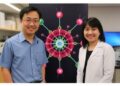
A groundbreaking review article authored by Professor Ning Wang from Northeastern University introduces a transformative biological principle that promises to reshape our understanding of cellular mechanics and function. Beyond the well-established Central Dogma of molecular biology, which governs the flow of genetic information, and the regulatory networks controlling metabolism, this new principle identifies cytoskeletal prestress homeostasis as a fundamental mechanism universally conserved across all living species. This concept extends from unicellular bacteria and archaea to complex mammalian somatic cells, revealing a shared mechanical architecture essential to life.
Cytoskeletal prestress refers to the intrinsic tension maintained within the cytoskeletal network—a dynamic scaffold composed of actin filaments, microtubules, and intermediate filaments. This pre-existing tensile stress is not static; rather, it is carefully regulated through active processes and feedback loops that involve ATP-driven motor proteins such as myosins. Unlike passive mechanical properties governed by self-assembly or tensegrity frameworks, cytoskeletal prestress is an energy-dependent state continuously modulated to sustain cellular integrity, shape, and function.
Extensive experimental evidence supports the premise that cells maintain cytoskeletal prestress within a physiological range crucial for numerous fundamental behaviors. For instance, this homeostatic tension governs cellular stiffness, enabling cells to dynamically adjust their mechanical properties in response to environmental stimuli. It facilitates the long-range transmission of mechanical forces within the cytoplasm, linking the extracellular matrix to the nucleus. This mechanical continuum allows rapid mechanotransduction, whereby external physical cues are converted into biochemical signals influencing gene expression and chromatin architecture.
One particularly compelling aspect highlighted in the review is the role of prestress in nuclear mechanics. The cytoskeleton’s tension stretches chromatin, modulating transcriptional activity by altering the spatial organization of genetic material. This mechanical control of gene expression exemplifies how physical forces integrate seamlessly with molecular biology, adding a new dimension to the regulation of cellular function. Moreover, cells exhibit mechanical memory, where alterations in prestress can produce lasting effects influencing differentiation pathways or responses to future mechanical challenges.
The implications of this principle extend deeply into developmental biology and pathology. Stem cell fate decisions are sensitive to prestress levels, as mechanical cues help dictate lineage specification. In cancer biology, dysregulated prestress homeostasis emerges as a critical factor underlying tumor progression. Malignant transformation often involves aberrant cytoskeletal tension that promotes invasion and metastasis. Additionally, altered prestress contributes to metabolic reprogramming, supporting the energetic demands of proliferating cancer cells and further fueling their malignancy.
Beyond cancer, disordered prestress homeostasis is implicated in cellular senescence and fibrosis. Age-related weakening of cytoskeletal tension compromises tissue elasticity and regenerative capability. Fibrotic diseases, characterized by excessive extracellular matrix deposition and stiffened microenvironments, can disrupt normal prestress balance, exacerbating pathological remodeling. Understanding the molecular machinery governing this tension paves the way for novel therapeutic strategies that harness mechanical control to restore tissue homeostasis.
Crucially, cytoskeletal prestress homeostasis arises from an active biological process powered by ATP hydrolysis, distinguishing living cells from abiotic materials governed solely by passive physics. Motor proteins generate contractile forces within the actin network, and a complex interplay of biochemical feedback loops fine-tunes these forces to maintain equilibrium. This dynamic balance is exquisitely sensitive, allowing rapid adjustment to mechanical perturbations while safeguarding structural stability.
The discovery opens exciting translational avenues, particularly in mechanomedicine. Pharmacological agents targeting the cytoskeletal machinery could recalibrate prestress in diseased cells, offering new treatments for cancer metastasis, fibrotic disorders, and aging-related degeneration. Furthermore, the principle provides a conceptual framework for engineering organoids with physiologically relevant mechanical properties, aiding tissue regeneration and disease modeling. High-throughput drug screening platforms can also leverage prestress modulation to identify compounds enhancing cellular resilience or selectively impairing malignant transformations.
Methodologically, the review synthesizes data from state-of-the-art biomechanical measurements, live-cell imaging, and molecular perturbations across diverse species and cell types. Techniques such as atomic force microscopy, traction force microscopy, and fluorescence resonance energy transfer have elucidated the mechanics of prestress at unprecedented spatial and temporal resolutions. The integration of systems biology and biophysics enables a holistic understanding of how mechanical forces interface with genetic and metabolic networks to orchestrate cellular behavior.
Importantly, this emerging principle bridges multiple disciplines, uniting molecular biology, biophysics, and mechanobiology into a cohesive paradigm. It underscores the need to view cells not merely as biochemical entities but as active mechanical structures whose behavior hinges on dynamic physical forces. By embracing cytoskeletal prestress homeostasis as a foundational principle, researchers can uncover novel insights into cell biology, development, and disease that have hitherto remained obscured.
The review has sparked significant excitement in the academic and biotech communities. Its conceptual novelty coupled with potential clinical relevance has led to rapid dissemination and spirited discussions. As research advances, cytoskeletal prestress homeostasis is poised to become a central focus of investigations into cell mechanics, signaling, and therapeutic innovation. The principle promises to catalyze mechanomedicine pipelines and to inspire new mechanical-targeted strategies addressing some of the most challenging unmet clinical needs.
Cytoskeletal prestress homeostasis thus emerges as a biologically essential, ATP-driven, and evolutionarily ancient principle vital for cellular structure and function. It represents a conceptual leap beyond DNA and metabolic regulation, emphasizing force as a language of life. This discovery reinvigorates the field of cellular mechanobiology and opens a path toward mechanical modulation as a frontier in medicine and biotechnology.
Subject of Research: Cytoskeletal prestress and its role in cell biology
Article Title: Cytoskeletal prestress homeostasis is a biological principle that governs living cell structure and function
News Publication Date: 20-Mar-2026
Web References: Not provided
References: Not provided
Image Credits: Fazlur Rashid, Ning Wang
Tags: actin filament dynamicscell shape and integritycellular mechanics and functioncellular stiffness regulationcytoskeletal network tensioncytoskeletal prestress homeostasisenergy-dependent cytoskeletal processesfeedback loops in cytoskeletonmechanical architecture of cellsmechanobiology of living cellsmyosin motor protein regulationuniversal cytoskeletal principles