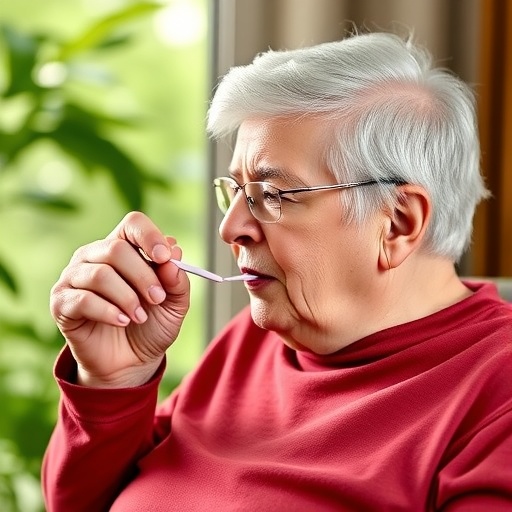
In the aging global population, maintaining essential physiological functions becomes a paramount concern for healthcare systems and individuals alike. Swallowing difficulties, clinically referred to as dysphagia, represent a significant challenge faced predominantly by older adults, potentially leading to malnutrition, aspiration pneumonia, and a marked decline in quality of life. Recent research spearheaded by Nakamura, Aoki, Murakami, and colleagues presented in BMC Geriatrics (2026) offers compelling insights into how exercise habits may intersect with swallowing-related symptoms in this vulnerable demographic. By combining cross-sectional data with a single-arm pre-post intervention study, the researchers shed light on the nuanced relationship between physical activity and the maintenance or improvement of swallowing function.
The study underscores a critical yet often underexplored area of gerontological health—namely, the role of habitual exercise not only in general musculoskeletal health but also in the intricate neuromuscular activities governing swallowing. Swallowing is an elaborate biomechanical process involving coordinated contractions of numerous muscles in the oral cavity, pharynx, and esophagus, all orchestrated through fine-tuned neural pathways. Degradation in any component of this system can manifest as dysphagia, which is further exacerbated by age-related sarcopenia and neural decline. Consequently, interventions targeting muscle strength and neurological function could offer promising avenues for prevention and therapy.
Nakamura et al.’s research commenced with a cross-sectional analysis involving older adults categorized based on their exercise habits. A comprehensive assessment of swallowing function was conducted using a battery of clinical examinations and symptom questionnaires designed to characterize the severity and prevalence of swallowing difficulties. Intriguingly, those with consistent exercise routines, particularly incorporating resistance and aerobic elements, reported fewer swallowing-related symptoms. This correlation suggests that systemic benefits of exercise might extend to the oropharyngeal muscles and related neural circuits, enhancing overall swallowing efficacy.
Delving deeper, the single-arm pre-post intervention phase adopted an exercise program tailored to enhance strength, endurance, and coordination, focusing on both general fitness and specific muscle groups implicated in the swallowing process. Muscle training protocols involved both gross motor exercises and targeted orofacial muscle conditioning. Participants demonstrated statistically significant improvements in several swallowing parameters post-intervention, including reduced reports of choking, coughing during meals, and awareness of food sticking in the throat. This improvement signals not only a functional but likely a structural and neurological adaptation stemming from the exercise regimen.
The ingenious aspect of this study lies in its multifaceted approach, discerning the role of habitual physical activity alongside a deliberate intervention, thereby providing robust evidence for causal inferences. While cross-sectional data establish associations, the pre-post intervention design elucidates a potential therapeutic pathway. The observed benefits highlight exercise as a non-pharmacological, low-cost strategy with wide-reaching implications for geriatric care policies, especially in community settings where accessibility to advanced medical interventions may be limited.
Physiologically, the exercise-induced improvements can be rationalized through several mechanisms. Resistance training combats the pervasive sarcopenia of aging, which notoriously affects orofacial and pharyngeal muscles critical for swallowing. Enhanced muscle mass and strength contribute to more effective bolus formation and propulsion. Concurrently, cardiovascular conditioning may improve neurovascular health, thereby supporting central nervous system structures involved in swallow reflex coordination. Additionally, repetitive motor activity inherent in exercise likely promotes neuroplasticity, fostering improved motor control circuits critical for swallowing.
Another fascinating implication of this study is related to the prevention of aspiration pneumonia, a severe and sometimes fatal complication of dysphagia. By mitigating swallowing difficulties through regular exercise, the incidence of microaspirations during eating may decline, thereby lowering pneumonia risk. This preventive potential aligns with public health imperatives aiming to minimize hospitalizations and healthcare expenditures driven by respiratory infections in older populations.
The research also opens a dialogue on the integration of swallowing assessments in routine evaluations of physical fitness and vice versa. Currently, dysphagia and physical inactivity are often treated as separate clinical concerns. This study advocates for an interdisciplinary approach, emphasizing the interdependence of motor functions and the need to consider comprehensive exercise programs as part of swallowing rehabilitation protocols. Such integration could streamline interventions and improve outcomes holistically.
Moreover, Nakamura and colleagues highlight the psychosocial dimensions of exercise and swallowing health. Older adults experiencing dysphagia often reduce food intake, leading to social isolation, depression, and decreased life satisfaction. Exercise, known to elevate mood and social interaction, may indirectly benefit swallowing functions by promoting healthier eating habits and enhancing overall motivation and well-being. This holistic improvement reinforces the multifactorial benefits of maintaining physical activity in aging.
While the findings are promising, the authors prudently call for further randomized controlled trials with larger cohorts to solidify the evidence base and refine exercise protocols. Different types, intensities, and durations of exercise could differentially affect swallowing-related outcomes. Personalized intervention regimens considering individual variability in baseline fitness, swallowing capability, and comorbidities would be an important next step to optimize clinical translations.
Technological advancements may further augment the potential of exercise interventions for dysphagia. Wearable sensors and biofeedback mechanisms could enable precise monitoring of oropharyngeal muscle engagement during exercise, allowing for adaptive training programs. Integration with telemedicine platforms can expand access to tailored exercise guidance, especially for those with mobility limitations or residing in remote areas. Such innovations align well with the study’s overarching theme that accessible, proactive health management is vital for aging populations worldwide.
In summary, the investigation by Nakamura et al. provides pioneering evidence that habitual exercise habits are linked to a reduction in swallowing-related symptoms among older adults, with structured exercise interventions yielding notable improvements in swallowing function. This paradigm-shifting insight situates physical activity as a cornerstone in the prevention and management of dysphagia, promising a future where aging populations maintain not only mobility but also fundamental life-sustaining functions like safe and effective swallowing.
As healthcare systems grapple with the costs and burdens of age-related morbidity, strategies that harness the multifaceted benefits of exercise could revolutionize geriatric care. This research calls for a reframing of exercise not merely as a tool for general health but as a targeted intervention with the capacity to preserve critical neurological and muscular functions intricately tied to survival and quality of life. Public health campaigns and clinical guidelines may soon incorporate these findings, fostering an era where the simple act of movement becomes a powerful defensive tool against the insidious declines of aging.
The intersection of exercise physiology, neural plasticity, and geriatric medicine uncovered in this study epitomizes the scientific progress needed to address complex aging phenomena. It exemplifies how understanding the body’s integrated systems can unlock novel prevention and rehabilitation pathways. In this context, swallowing transcends a mere reflex to become a marker of holistic health and an arena for transformative therapeutic innovation.
Ultimately, the study by Nakamura and colleagues shines a beacon on a promising frontier in aging research: empowering older adults with accessible interventions to sustain essential functions and enhance life quality. Their work is a clarion call for continued exploration at the nexus of exercise science and geriatric care, inspiring clinicians, researchers, and policymakers to embrace comprehensive, evidence-based strategies for healthy aging.
Subject of Research: Exercise habits and their impact on swallowing-related symptoms in older adults.
Article Title: Exercise habits and swallowing-related symptoms in older adults: a cross-sectional and a single-arm pre–post intervention study.
Article References:
Nakamura, M., Aoki, K., Murakami, T. et al. Exercise habits and swallowing-related symptoms in older adults: a cross-sectional and a single-arm pre–post intervention study.
BMC Geriatr (2026). https://doi.org/10.1186/s12877-026-07766-3
Image Credits: AI Generated
Tags: age-related sarcopenia and swallowingaspiration pneumonia prevention in older adultsdysphagia prevention through exerciseexercise habits and quality of life in elderlyexercise impact on swallowing in older adultsgerontological health and exerciseinterventions for dysphagia in agingmaintaining swallowing muscle strengthneuromuscular health in elderlyswallowing biomechanics and exerciseswallowing function and physical activityswallowing improvement post intervention