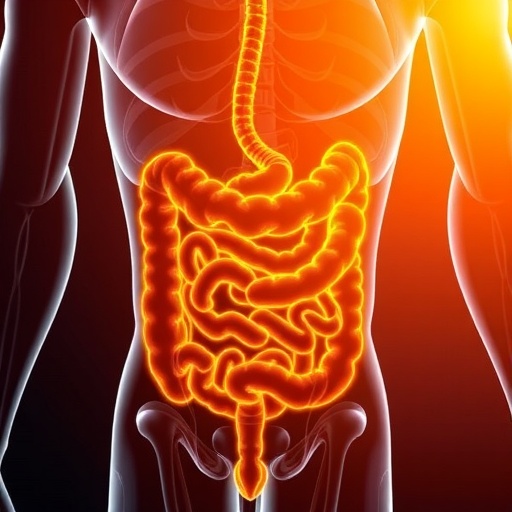
Necrotizing enterocolitis (NEC) represents one of the most devastating gastrointestinal emergencies afflicting premature infants worldwide. Despite decades of research, the precise mechanisms governing NEC pathogenesis remain elusive, complicating efforts to develop effective preventative measures or targeted therapies. NEC is primarily characterized by overwhelming intestinal inflammation and a compromised epithelial barrier, often resulting in catastrophic bowel necrosis and a high mortality rate. Understanding the delicate interplay between inflammatory responses and epithelial integrity is crucial in addressing this unmet clinical challenge. Emerging studies increasingly point toward the significance of molecular signaling pathways that regulate inflammation and tissue repair in the gut.
One of the promising molecular targets in gut inflammation is the aryl hydrocarbon receptor (AhR), a ligand-activated transcription factor known for its multifaceted regulatory roles in immunity and epithelial homeostasis. Traditionally recognized for mediating the toxic effects of environmental pollutants, AhR signaling has undergone a transformative reevaluation over recent years. It is now appreciated as a critical modulator of mucosal immunity, influencing both innate and adaptive immune cells as well as epithelial barrier function. Research using colitis models has demonstrated that activation of the AhR pathway can substantially mitigate intestinal inflammation, suggesting a potential therapeutic avenue in diseases driven by immune dysregulation.
Central to the therapeutic appeal of AhR modulation are naturally derived ligands, among which Urolithin A (UroA) has garnered immense scientific interest. Urolithin A originates from the microbial metabolism of dietary polyphenols found in fruits such as pomegranates and is capable of crossing the intestinal barrier to influence host cellular pathways. Intriguingly, UroA has exhibited potent anti-inflammatory properties and the capacity to improve gut barrier function in colitis and other inflammatory gut pathologies. These attributes position UroA as a compelling candidate for exploration in NEC, where inflammatory cascades and epithelial breakdown are central features.
In an innovative study recently published in Pediatric Research, Sami et al. report compelling evidence that UroA attenuates inflammation and enhances barrier integrity in an experimentally derived NEC-in-a-Dish model. This pioneering approach leverages a sophisticated in vitro system mimicking the cellular and molecular complexity of NEC, enabling precise dissection of the underlying pathophysiological processes. Through this platform, the authors have investigated how the application of UroA influences key inflammatory markers and epithelial tight junction proteins critical for maintaining mucosal integrity.
The NEC-in-a-Dish model utilized by the researchers mimics the inflammatory milieu encountered in NEC by exposing human intestinal epithelial cells to pro-inflammatory conditions that mimic premature gut exposure to bacteria and hypoxic stress. Under these conditions, epithelial cells typically manifest disrupted barrier function, increased permeability, and elevated expression of inflammatory cytokines such as TNF-α and IL-6. Treatment with UroA resulted in a remarkable downregulation of these cytokines, indicating a potent anti-inflammatory effect mediated via the AhR pathway. Functional assays demonstrated significant restoration of transepithelial electrical resistance, a gold-standard measure of barrier integrity, highlighting the protective effects of UroA on epithelial tight junctions.
Delving deeper, the study elucidates the molecular mechanisms underpinning UroA’s action, implicating the upregulation of AhR-responsive genes involved in antioxidative responses and immune regulation. Notably, UroA triggered increased expression of genes encoding for cytochrome P450 enzymes and tight junction proteins such as occludin and claudin-1, which are pivotal in preserving epithelial cohesion and barrier permeability. These findings suggest that UroA not only suppresses detrimental inflammation but simultaneously reinforces the structural architecture of the intestinal epithelium disrupted in NEC.
The therapeutic horizon for NEC has historically been constrained by a paucity of safe and efficacious interventions that target the root inflammatory disturbances without compromising neonatal immunity. The demonstration that a microbiota-derived metabolite like UroA can recalibrate inflammatory signaling while enhancing epithelial barrier function offers a paradigm shift. As a naturally occurring compound with low toxicity and high bioavailability, UroA holds great promise as an adjunctive therapy to protect the vulnerable preterm gut.
Moreover, the study emphasizes the broader implications of host-microbe interactions in neonatal gut health. The intestinal microbiome critically shapes metabolite production including UroA, underscoring the importance of microbial ecology in NEC pathogenesis and the potential for microbiota-targeted interventions. Future research could explore probiotic or dietary strategies to promote endogenous UroA synthesis as a preemptive modality against NEC, tailoring therapies that harness the gut microbiota’s metabolic repertoire.
The NEC-in-a-Dish model itself represents a technological leap, providing an experimentally tractable system that recapitulates key hallmarks of NEC pathology. This platform accelerates mechanistic studies and preclinical screening of candidate therapeutics such as UroA, overcoming limitations inherent in animal models that often fail to fully mimic human neonatal intestinal biology. By integrating advanced cell culture techniques with molecular analyses, this model presents an invaluable tool for unravelling the intricate crosstalk between inflammation, immune signaling, and epithelial barrier dynamics.
In light of this innovative work, the scientific community is poised to deepen investigation into AhR ligands and their application in neonatal intestinal diseases. The dual anti-inflammatory and barrier-enhancing properties of UroA could redefine therapeutic approaches not only for NEC but also for a range of inflammatory bowel disorders marked by compromised mucosal integrity. The translational potential of UroA invites clinical trials aimed at determining optimal dosing, safety profiles, and long-term outcomes in preterm infants, bridging bench discoveries with bedside applications.
Nevertheless, challenges remain in deciphering the complex pharmacokinetics and tissue-specific effects of UroA, as well as its interactions within the developing neonatal immune system. Comprehensive characterization of AhR ligand repertoires and downstream signaling networks is necessary to harness their full clinical utility. Further exploration into combinatorial therapies integrating UroA with probiotics or anti-inflammatory agents may yield synergistic benefits, offering multifaceted protection to the fragile premature gut.
The revelation that a small molecule metabolite rooted in microbial activity can profoundly influence intestinal health heralds a new era in neonatal care. This convergence of microbiology, immunology, and molecular biology empowers researchers to devise targeted interventions orchestrating endogenous repair mechanisms. As Sami and colleagues illuminate the protective efficacy of UroA in NEC, they propel forward a beacon of hope for countless vulnerable infants at risk of this devastating disease.
The potential impact of this breakthrough extends beyond NEC, encouraging broader appreciation of how host–microbe metabolic interactions shape immune homeostasis across developmental stages. Insights gleaned from this line of inquiry may revolutionize the conceptual framework for gastrointestinal disease prevention and management, fostering precision medicine approaches tailored to individual microbial and molecular profiles.
In conclusion, the study sheds light on a novel therapeutic candidate—Urolithin A—and its remarkable capacity to quell inflammation while fortifying epithelial barrier integrity in an experimental model that faithfully recapitulates NEC pathology. By bridging microbial metabolism and mucosal immunology through the aryl hydrocarbon receptor pathway, this research ushers in promising avenues for innovation in neonatal intestinal health. The elegant synergy of natural bioactive compounds in modulating disease processes exemplifies the untapped potential residing within the gut microbiome’s metabolic landscape. Continued exploration in this arena offers hope for transforming vulnerable preterm infant care and improving outcomes in devastating gastrointestinal diseases such as NEC.
Subject of Research: Necrotizing enterocolitis (NEC) pathogenesis and therapeutic intervention using Urolithin A in an in vitro NEC model.
Article Title: Urolithin A attenuates inflammation and enhances barrier integrity in an experimental NEC-in-a-Dish model.
Article References:
Sami, A.S., Mozes, G., Jania, C.M. et al. Urolithin A attenuates inflammation and enhances barrier integrity in an experimental NEC-in-a-Dish model. Pediatr Res (2026). https://doi.org/10.1038/s41390-026-05124-y
Image Credits: AI Generated
DOI: 27 May 2026
Tags: AhR signaling in immune responsearyl hydrocarbon receptor in gut healthepithelial barrier repair mechanismsgut barrier strengthening compoundsimmune dysregulation in colitisintestinal epithelial homeostasismolecular pathways in intestinal inflammationmucosal immunity modulationnecrotizing enterocolitis treatment strategiespremature infant gastrointestinal disorderstherapeutic targets for gut inflammationUrolithin A anti-inflammatory effects