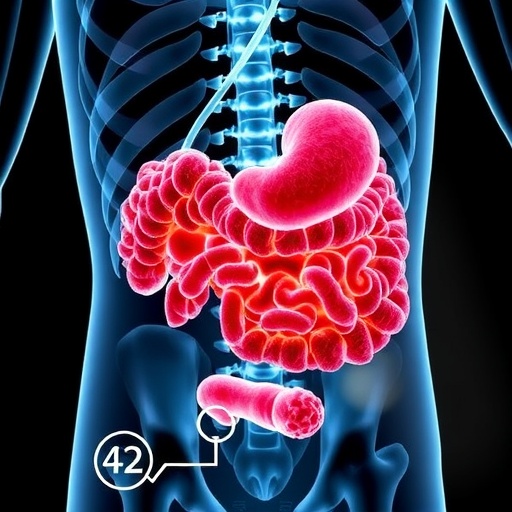
In a groundbreaking series of studies recently published in The Journal of Nuclear Medicine, scientists are pushing the frontiers of precision oncology by refining the use of targeted radiation therapies and advanced molecular imaging techniques. These insights offer promising pathways to improve patient outcomes and transform the standard approach to cancer diagnosis and treatment. The research collectively underscores the power of nuclear medicine in enabling highly tailored interventions that minimize collateral damage while maximizing therapeutic efficacy.
One of the pivotal studies conducted research into the micro-distribution of radiation doses in kidney tissue when using radiopharmaceuticals. By deploying sophisticated nephron-level computational models, researchers compared two beta-emitting radionuclides—Terbium-161 (^161Tb) and Lutetium-177 (^177Lu)—to unravel how radiation doses propagate within the microscopic structures of the kidney. This analysis exposed significant heterogeneity in dose distribution, particularly in the proximal tubules, the segment responsible for reabsorption and highly susceptible to radiotoxic effects. Such findings cast doubt on the prevailing dosimetry paradigms that average doses over the entire organ, highlighting a crucial need for refinement to prevent underestimation of potential nephrotoxicity during targeted radionuclide therapies.
Another landmark international investigation analyzed survival outcomes in a cohort exceeding 1,400 men experiencing prostate cancer relapse after prostatectomy. Utilizing state-of-the-art positron emission tomography (PET) imaging modalities incorporating prostate-specific membrane antigen (PSMA) ligands, the study interrogated whether salvage radiotherapy could extend survival. Intriguingly, patients whose advanced PET scans revealed no detectable metastases exhibited the most pronounced benefit, especially when intervention occurred at low prostate-specific antigen (PSA) levels. This indicates that early, image-guided administration of targeted radiation could be pivotal in altering the trajectory of recurrent prostate cancer by eradicating microscopic disease before systemic spread.
Advancements in molecular imaging were further demonstrated by a prospective trial investigating fibroblast activation protein inhibitor (FAPI) PET/CT for assessing peritoneal carcinomatosis in patients slated for surgeries due to colorectal or ovarian malignancies. The study with 61 participants revealed that FAPI PET imaging achieved superior concordance with intraoperative findings compared to conventional magnetic resonance imaging (MRI) and fluorodeoxyglucose (FDG) PET scans. Because FAPI selectively targets cancer-associated fibroblasts within the tumor microenvironment, this imaging modality offers enhanced sensitivity and specificity, enabling surgeons and oncologists to obtain a more accurate disease map that informs surgical planning and adjuvant therapies.
Addressing the challenge of therapeutic resistance, a comprehensive review examined DNA damage repair pathways in the context of ^177Lu-based radiopharmaceutical therapy, which delivers radiation continuously at low dose rates. The persistent radiation exposure prompts complex cellular repair mechanisms that can undermine treatment efficacy. The review highlights an exciting translational frontier—combining targeted radionuclide therapy with pharmacologic inhibitors of key DNA repair enzymes. By disrupting cancer cells’ ability to recover from DNA double-strand breaks and other lethal lesions, such combination strategies could potentiate tumor kill rates and circumvent resistance mechanisms, ultimately improving clinical outcomes.
Collectively, these studies epitomize the era of theranostics, wherein molecular imaging and therapeutic agents are deployed synergistically to create bespoke treatment regimens. This precision medicine paradigm hinges on the ability to detect, visualize, and quantify pathological processes at the molecular level and tailor interventions accordingly. As nuclear medicine techniques and radiopharmaceutical chemistry evolve, the potential to enhance the safety profile of radiation therapies while augmenting their tumor specificity grows exponentially.
The kidney radiation dosimetry research particularly challenges current clinical practice by demonstrating that whole-organ dose metrics may overlook critical variations in tissue exposure that have real-world toxicity implications. For radiation oncologists and nuclear medicine physicians, integrating such microscopic dose mapping could revolutionize treatment planning, allowing the maximization of therapeutic indices in patients receiving radionuclide therapies.
In prostate cancer management, the integration of advanced PET imaging with salvage radiotherapy protocols offers a template for extending survival even in recurrent disease settings. The ability to stratify patients based on detailed molecular imaging profiles means clinicians can identify those most likely to benefit from localized radiation, thus minimizing overtreatment and associated side effects while focusing curative efforts where it counts.
The introduction of FAPI PET/CT into preoperative workflows for peritoneal carcinomatosis has the potential to redefine surgical oncology for abdominal cancers. Enhanced detection rates of tumor spread facilitate not only individualized surgical planning but also more accurate prognostication and tailored systemic therapy decisions. This advancement could materially improve the therapeutic ratio for patients undergoing complex cytoreductive surgeries.
Meanwhile, elucidation of DNA repair mechanisms in radiopharmaceutical contexts paves the way for rational design of combination therapies that merge molecularly targeted agents with radiation. These insights are crucial as the oncology field seeks to overcome intrinsic and acquired resistance to treatment, a major barrier to durable remissions in many solid tumors.
As these new avenues are explored and validated in clinical trials, the overarching narrative is clear: leveraging the molecular underpinnings of cancer biology and radiation physics through advanced imaging and novel therapeutic combinations heralds a transformative leap in oncology. The synergy between diagnostics and therapeutics, epitomized by theranostics, epitomizes the ideal of personalized medicine.
The Journal of Nuclear Medicine continues to lead the charge in disseminating cutting-edge research that informs clinical practice and drives innovation. With over 15 million annual accesses worldwide, the journal serves as a vital resource for practitioners striving to translate molecular insights into tangible patient benefits.
The Society of Nuclear Medicine and Molecular Imaging’s commitment to advancing the field is reflected in these landmark studies, which collectively underscore the expanding horizons of nuclear medicine beyond conventional boundaries—into realms that blend detailed molecular characterization with highly specific, patient-centered therapeutic interventions.
This suite of research advances nuclear medicine’s capacity to balance efficacy with safety, delivering targeted radiation where it is needed most while sparing healthy tissues. Such precision will be the cornerstone of future breakthroughs in cancer care, enabling clinicians to outsmart tumor biology through sophisticated imaging and therapeutic strategies.
As targeted radionuclide therapies continue to evolve, ongoing research into microdosimetry, molecular imaging specificity, and repair pathway modulation will be essential. These efforts promise to unlock unprecedented levels of treatment personalization, turning the vision of tailored cancer therapy into a clinical reality that improves survival and quality of life for countless patients.
Subject of Research: Nuclear medicine advancements in targeted radiation therapy and molecular imaging for cancer
Article Title: Emerging Insights in Precision Radiotherapy and Molecular Imaging from The Journal of Nuclear Medicine
News Publication Date: May 22, 2026
Web References:
https://doi.org/10.2967/jnumed.125.271864
https://doi.org/10.2967/jnumed.125.271770
https://doi.org/10.2967/jnumed.126.272183
https://doi.org/10.2967/jnumed.125.271527
https://jnm.snmjournals.org/
Tags: advanced molecular imaging techniquesmicro-distribution radiation doses kidneynephron-level computational radiation modelsnuclear medicine cancer treatmentpositron emission tomography prostate cancerprecision oncology targeted radiation therapiesprostate cancer relapse imagingproximal tubule radiation sensitivityradiopharmaceutical nephrotoxicitysurvival outcomes prostate cancer therapytailored nuclear medicine interventionsTerbium-161 vs Lutetium-177 dosimetry