In a groundbreaking study published in the Cell Press journal Cell Reports, researchers have uncovered startling evidence about how even minimal exposure to modern medical treatments can swiftly alter the human microbiome. The focus of the research was on remote Indigenous communities in the Amazon rainforest, specifically in Venezuela, who traditionally have had little to no contact with modern medicine. The introduction of routine medical visits, primarily aimed at controlling river blindness through antiparasitic treatments, was found to provoke rapid and significant shifts in the gut microbial communities of these populations.
The human microbiome, a complex ecosystem of microorganisms inhabiting various parts of the body, is now understood to be integral to overall health. While previous studies have demonstrated that urbanization—encompassing diet, environment, and lifestyle changes—affects the diversity and composition of the microbiome, isolating the impact of specific factors has been challenging. This new research offers a unique window into how medical interventions alone, apart from other urbanization effects, influence microbial ecosystems.
Beginning in late 2015, multiple Indigenous villages started receiving quarterly medical care through a World Health Organization-supported program targeting onchocerciasis or river blindness—a debilitating parasitic infection. This program provided antiparasitic drugs along with basic health services to community members who had formerly relied on ancestral practices and natural resources, maintaining a largely unchanged lifestyle over generations. The medical visits created a rare natural experiment to observe how such exposure affects microbiome dynamics in populations with near-pristine microbial profiles.
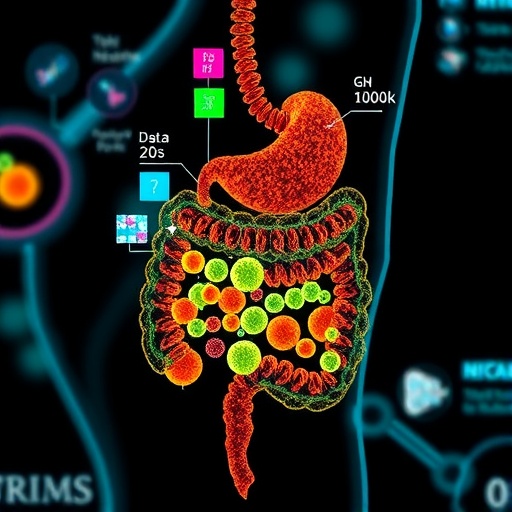
Scientists led by Maria G. Dominguez-Bello of Rutgers University conducted extensive sampling during these medical visits, collecting microbial specimens from the gut, mouth, nose, and skin of 335 individuals across different age groups. The timing was critical, with sampling at the initial visit in October 2015 and a follow-up in February 2016, enabling precise tracking of microbiome changes over a short four-month span. Molecular sequencing and bioinformatics tools revealed stark alterations in microbial diversity and composition following the introduction of modern medicines.
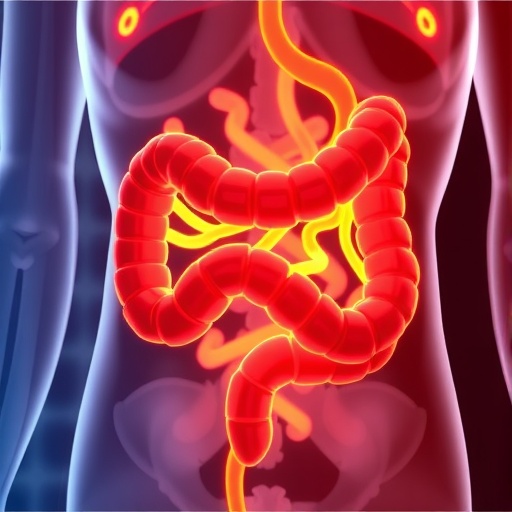
Most notably, the gut microbiota of these Indigenous villagers began to mirror features commonly observed in individuals residing in industrialized contexts. The richness and variety of microbes, particularly those associated with fiber digestion like Prevotella and Treponema species, diminished significantly. Conversely, bacteria more prevalent in urban populations, such as members of the Bacteroidota and Verrucomicrobia phyla, increased in abundance. This shift signals a movement towards a less diverse, urbanized microbiome configuration, which could have long-term health implications.
Further functional metagenomic analysis indicated that the microbial gene pool also changed in response to medical exposure. Genes involved in the fermentation of complex plant fibers declined, concomitant with an increase in genes associated with the metabolism of simple carbohydrates and antimicrobial resistance. This functional rewiring suggests that drugs, including antibiotics, may select for microbes with different metabolic capabilities and resistance traits, fundamentally reshaping the microbiome ecosystem.
Interestingly, the impact of medical visits was not restricted to the gut. The microbiomes of other body niches such as the oral cavity, nasal passages, and skin surface also displayed distinct responses. Oral microbial diversity declined post-treatment, raising concerns about potential vulnerabilities to oral diseases. Conversely, nasal microbial diversity unexpectedly increased, highlighting the nuanced and site-specific ways in which medical interventions can affect human microbial communities.
Children exhibited the most pronounced shifts in their microbiota, underscoring the heightened sensitivity of developing microbial ecosystems to perturbations. Given that early-life microbiome establishment plays a crucial role in immune system maturation, metabolism, and disease susceptibility, these findings raise significant public health considerations for Indigenous and other medically naïve populations undergoing modernization.
While the lifesaving benefits of programs combatting infectious diseases like river blindness are indisputable, the study’s findings advocate for careful consideration of collateral impacts on the microbiome. Dominguez-Bello emphasizes the need to integrate microbial conservation and restoration strategies into public health interventions, potentially employing probiotics, prebiotics, or microbiome-tailored therapies to mitigate adverse effects.
This research underscores a fundamental biological reality: the human microbiome is extraordinarily sensitive to external influences, including seemingly routine medical treatments. As modern medicine continues to reach remote populations worldwide, understanding and preserving microbial diversity could prove crucial in preventing unintended health consequences. Reduced microbial diversity is increasingly linked to chronic conditions such as obesity, allergies, inflammatory bowel disease, and even certain cancers, making these findings globally relevant.
In sum, the study titled “Rapid microbiome restructuring associated with medical exposure in remote Amazonian Indigenous communities” reveals that even limited medical contact profoundly alters microbial landscapes across multiple body sites within months. It challenges researchers and healthcare providers to rethink how medicine interfaces with the microbiome and encourages innovative approaches to maintain microbial health amidst the undeniable advances in disease control.
Cell Reports, the platform for this publication, continues to champion cutting-edge life sciences research with implications that stretch far beyond basic science into medicine, ecology, and anthropology. The insights gained here carve new paths for microbiome science and public health policies, especially in contexts balancing tradition and modernization.
Subject of Research: People
Article Title: Rapid microbiome restructuring associated with medical exposure in remote Amazonian Indigenous communities
News Publication Date: 20-May-2026
Keywords: Indigenous peoples, Gut microbiota, Human microbiota, River blindness
Tags: effects of antiparasitic treatments on microbiomegut microbial diversity reductionhuman microbiome and healthIndigenous Amazon microbiome studymicrobial ecosystem shifts due to medicinemicrobiome changes in remote communitiesmicrobiome research in Indigenous populationsmodern medicine impact on gut microbiomeriver blindness medical interventiontraditional populations and microbiome alterationurbanization vs medical treatment microbiome effectsWorld Health Organization health programs