In a groundbreaking new study poised to reshape our understanding of liver diseases, researchers have uncovered a novel therapeutic avenue using pharmabiotics. The team led by Eom, Park, and Hyun has demonstrated how Phocaeicola dorei, a gut bacterium, can significantly reverse the progression of cholestatic liver fibrosis by modulating immune cell function. This discovery not only challenges traditional paradigms concerning microbiota’s role in liver pathologies but also opens the door to revolutionary treatments targeting the immune system’s clearance mechanisms.
Cholestatic liver fibrosis, a condition characterized by impaired bile flow and excessive scarring of liver tissue, remains a major health challenge due to the absence of effective treatments. Traditional approaches have often focused on managing symptoms or preventing further injury. However, unraveling the intricate interplay between immune cells and liver fibrosis is critical to developing truly restorative therapies. This study illuminates the central role of macrophage efferocytosis—the process by which macrophages clear dying neutrophils—in driving fibrotic progression.
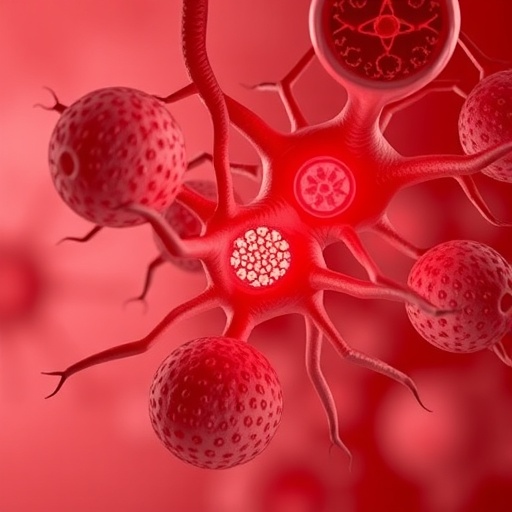
Neutrophils, frontline defenders of the immune system, undergo programmed cell death after fulfilling their antimicrobial roles. Efficient clearance of these apoptotic neutrophils by macrophages through efferocytosis is crucial for resolving inflammation and tissue repair. Dysregulation in this process, the researchers found, exacerbates hepatic inflammation, promoting fibrosis. The intestines and liver maintain a delicate homeostasis, with gut microbes profoundly influencing immune responses. Harnessing this axis, Phocaeicola dorei emerged as a key modulator capable of restoring balance.
The study meticulously charted how supplementation with Phocaeicola dorei shifts macrophage behavior in experimental models of cholestatic injury. Unlike conventional probiotics, this pharmabiotic distinctly enhances the phagocytic capacity of hepatic macrophages, facilitating more efficient efferocytosis of neutrophils. This immune recalibration curtails persistent inflammation and fibrogenesis, highlighting a previously unrecognized species-specific mechanism driven by the gut microbiome.
Advanced imaging and single-cell transcriptomics revealed that Phocaeicola dorei treatment reprograms macrophages at a molecular level, augmenting pathways involved in apoptotic cell recognition and clearance. This reprogramming dampens pro-inflammatory signaling and disrupts the fibrogenic feedback loop perpetuated by uncleared neutrophils. Such targeted immune modulation avoids widespread immunosuppression, minimizing potential adverse effects often associated with systemic therapies.
Another compelling aspect of the findings is the involvement of neutrophil extracellular traps (NETs), webs of DNA and proteins released by dying neutrophils that contribute to liver injury and fibrosis. The enhanced efferocytosis induced by Phocaeicola dorei reduces NET accumulation in hepatic tissue, curbing their deleterious impact on liver architecture. This nuanced interplay between gut bacteria and neutrophil clearance underscores a complex but exploitable microbial-immune axis.
Beyond cellular mechanisms, metabolomic profiling identified shifts in bile acid composition and short-chain fatty acid levels driven by Phocaeicola dorei colonization. These metabolites are known to influence macrophage phenotype and function, suggesting that the bacterium’s therapeutic effect partially arises from its metabolic outputs. This insight expands the pharmabiotic concept from live microorganism administration to metabolic reprogramming of host immunity.
Crucially, the research team validated their findings in humanized liver models, hinting at broad translational potential. Although the gut microbiome is notoriously diverse across individuals, the indicated therapeutic effects of Phocaeicola dorei appear robust against such variability. This positions pharmabiotics tailored to immune modulation as promising candidates for precision medicine in hepatic diseases.
The study also raises provocative questions about the gut-liver axis in other inflammatory conditions. Could similar approaches using specific microbial strains recalibrate immune cell clearance mechanisms systemically? As interest in microbiome-based therapies swells, this work exemplifies the level of mechanistic detail needed to move beyond correlative studies toward actionable interventions.
Moreover, the concept of leveraging bacterial species to influence macrophage efferocytosis refines our understanding of bacterial-host mutualism. Far from passive colonizers, these microbes actively shape host immunity, recovery, and disease trajectories. This challenges researchers to deepen exploration into microbe-host crosstalk in health and disease, potentially broadening beyond liver pathologies.
With liver fibrosis being a precursor to cirrhosis and liver failure, introducing non-invasive, microbiota-centered therapies could revolutionize clinical practice. By alleviating macrophage dysfunction, Phocaeicola dorei offers a novel biological tool to halt or reverse fibrotic progression, a feat unattainable with current pharmacotherapies. Up next in this exciting field will be clinical trials to evaluate safety, optimal dosing, and efficacy in human patients.
The implications for chronic liver disease, a major contributor to global morbidity and mortality, are profound. By intertwining microbial ecology, immunology, and hepatology, this study exemplifies interdisciplinary innovation. It points to a future where engineered or selectively administered gut bacteria serve as precision medicines—fine-tuning immune homeostasis and fostering tissue regeneration.
Ultimately, this discovery invigorates the broader conversation about the microbiome’s role in human health. It underscores the necessity for rigorous functional studies that move beyond association, unraveling exact cellular and molecular mechanisms. As researchers worldwide build on these findings, we can anticipate a new era of pharmabiotics transforming complex immune-mediated diseases.
In summary, the research spearheaded by Eom, Park, Hyun, and colleagues marks a watershed moment in liver fibrosis treatment. By demonstrating how Phocaeicola dorei alleviates macrophage efferocytosis dysfunction of neutrophils, it redefines the therapeutic potential of gut microbes. This study not only fills a critical mechanistic gap but also paves the way for innovative, microbiota-based interventions that could save millions of lives afflicted by hepatobiliary diseases.
This remarkable step forward reflects scientific creativity, precise experimentation, and cross-disciplinary collaboration. As we await clinical translation, the promise of pharmabiotics like Phocaeicola dorei inspires optimism for tackling one of medicine’s most recalcitrant challenges—liver fibrosis—through the microscopic allies residing within us.
Subject of Research: The role of pharmabiotics, specifically Phocaeicola dorei, in ameliorating cholestatic liver fibrosis by modulating macrophage efferocytosis of neutrophils.
Article Title: Pharmabiotics, Phocaeicola dorei, ameliorates cholestatic liver fibrosis by alleviating macrophage efferocytosis of neutrophils.
Article References:
Eom, J.A., Park, I.G., Hyun, J.Y. et al. Pharmabiotics, Phocaeicola dorei, ameliorates cholestatic liver fibrosis by alleviating macrophage efferocytosis of neutrophils. Nat Commun (2026). https://doi.org/10.1038/s41467-026-73166-1
Image Credits: AI Generated
Tags: cholestatic liver fibrosis treatmentgut microbiota liver diseaseimmune cell function in cholestasisimmune modulation in liver repairinflammation resolution in liver diseasemacrophage efferocytosis in fibrosismicrobiota-immune system interactionsneutrophil clearance liver inflammationnovel liver fibrosis therapiespharmabiotics for liver fibrosisPhocaeicola dorei therapeutic effectsreversing liver tissue scarring