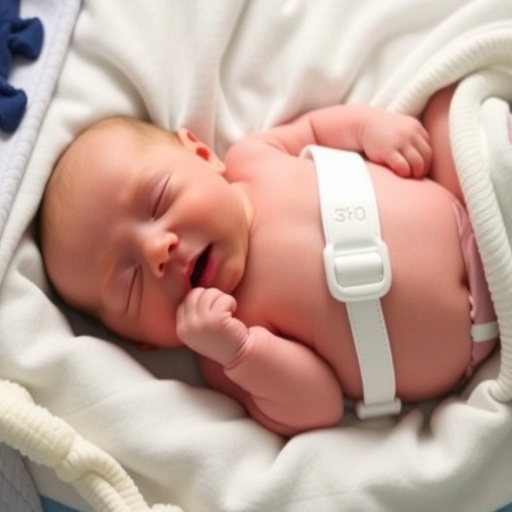
In the rapidly evolving field of neonatal care, the resuscitation of preterm infants remains one of the most critical and delicate challenges faced by clinicians worldwide. Recently, a groundbreaking study protocol has emerged, setting the stage for a transformative approach to neonatal resuscitation. This innovative research, known by its acronym POLAR, focuses on exploring the optimal levels of positive end-expiratory pressure (PEEP) administered during the crucial moments immediately following the birth of preterm infants. The implications of this endeavor could reshape current clinical practices and improve survival and long-term health outcomes for one of the most vulnerable patient populations.
Preterm infants, defined as those born before 37 weeks of gestation, often experience significant respiratory distress due to underdeveloped lungs that lack sufficient surfactant to keep alveoli open. Resuscitation protocols currently involve the use of continuous positive airway pressure (CPAP) or mechanical ventilation, which includes the application of PEEP to prevent alveolar collapse and enhance gas exchange. However, the precise level of PEEP that balances efficacy with safety remains uncertain, leading to variability in clinical practice and outcomes. The POLAR trial aims to systematically investigate this critical parameter.
Developed by a multidisciplinary team led by Dr. Douglas G. Tingay and colleagues, the POLAR study protocol is designed as a randomized controlled trial—considered the gold standard for clinical evidence generation. This design will enable researchers to directly compare different PEEP levels applied during the resuscitation process. By rigorously controlling and measuring these variables, the study seeks to identify an optimal PEEP strategy that maximizes respiratory support while minimizing potential lung injury, such as volutrauma or barotrauma.
The scientific premise underpinning the POLAR trial is grounded in detailed pulmonary physiology. Positive end-expiratory pressure maintains airway patency and prevents cyclical alveolar collapse during exhalation. However, excessively high PEEP may overdistend delicate lung tissue, encouraging inflammation and subsequent chronic lung disease, a frequent complication known as bronchopulmonary dysplasia in preterm infants. Conversely, insufficient PEEP can lead to atelectasis and poor oxygenation, placing infants at risk for acute respiratory failure. Striking this balance is essential yet has remained elusive due to heterogeneous patient conditions and limitations in existing research.
What sets the POLAR trial apart is its real-time integration of cutting-edge respiratory monitoring technologies alongside clinical parameters. Detailed lung function assessments—including dynamic compliance and functional residual capacity—will be performed using non-invasive tools to tailor PEEP application and evaluate its immediate physiological impact. This approach reflects a paradigm shift from one-size-fits-all protocols toward personalized neonatal respiratory care, potentially reducing morbidity and mortality rates associated with prematurity-related respiratory distress.
Furthermore, the study embraces the complexities of neonatal adaptation at birth, recognizing that the transition from fetal to neonatal life involves major cardiopulmonary changes. In the womb, lungs are fluid-filled and remain unexpanded; however, upon birth, rapid clearance of fluid and lung expansion are essential for effective gas exchange. Appropriate PEEP levels during resuscitation can facilitate this transition by promoting alveolar recruitment and sufficient lung volume, critical for establishing stable oxygenation and ventilation.
Ethical considerations are meticulously addressed within the study design. The involvement of preterm infants—a population vulnerable due to their fragility—demands strict oversight and parent engagement. Informed consent processes and safety monitoring committees ensure the utmost adherence to ethical research standards, balancing scientific rigor with compassionate care. This ethical framework underscores the commitment to advancing neonatal medicine responsibly.
Anticipated findings from the POLAR trial promise to substantially influence clinical guidelines and practice worldwide. Many neonatal intensive care units (NICUs) follow varied protocols for initial respiratory support, often reflecting local preferences or limited evidence. By generating high-quality data on PEEP titration, the study aims to reduce inconsistencies, optimize resuscitation protocols, and establish evidence-based standards for care immediately after birth.
In addition to its clinical relevance, the POLAR study addresses broader global health implications. Preterm birth accounts for approximately 10% of all live births globally and remains the leading cause of neonatal mortality. Improving resuscitation strategies has the potential to save countless lives, especially in resource-limited settings where advanced respiratory support modalities are less accessible. Establishing simple, effective PEEP guidelines could therefore represent a cost-effective intervention with vast public health benefits.
The results of this trial will also contribute to the growing body of knowledge surrounding neonatal lung mechanics and pathophysiology. Such insights may fuel subsequent innovations in ventilatory support technologies, including the development of advanced ventilators designed specifically for the unique physiology of preterm infants. Moreover, understanding the interplay between ventilation pressures and lung injury pathways could open new avenues for pharmacological adjuncts aimed at protecting fragile lung tissue during postnatal adaptation.
Intriguingly, the POLAR research methodology incorporates a thorough follow-up phase to assess long-term developmental outcomes related to the initial resuscitation strategies. This is crucial as early respiratory interventions can have lingering effects on neurodevelopment and lung health throughout childhood. By correlating PEEP levels with these long-term outcomes, the study will aid clinicians in balancing immediate respiratory needs with future health considerations.
Another dimension to the POLAR trial is the interdisciplinary collaboration between neonatologists, respiratory therapists, biomedical engineers, and statisticians, highlighting the importance of diverse expertise in tackling complex medical challenges. Such teamwork ensures robust study design, precise data interpretation, and pragmatic translation of findings into bedside clinical practice, bridging the gap between scientific discovery and patient care.
The timing of the POLAR publication is particularly relevant given the ongoing advances in neonatal care and the increasing survival rates of extremely preterm infants. Despite these gains, respiratory complications remain a significant hurdle, often leading to extended NICU stays and elevated healthcare costs. By elucidating optimal PEEP strategies, this research could streamline clinical pathways, promote faster stabilization, and reduce the burden on healthcare systems.
As anticipation builds around the findings to emerge from this landmark trial, the neonatal community watches with hope for a new era of resuscitation excellence. The innovative approach of the POLAR study exemplifies how targeted clinical research can directly impact vulnerable populations, fostering better outcomes through evidence-based interventions.
In conclusion, the POLAR trial represents a milestone in neonatal respiratory care through its rigorous exploration of positive end-expiratory pressure during resuscitation of preterm infants. This study not only promises to refine critical clinical interventions at birth but also embodies a broader vision of precision medicine in neonatology, where individualized treatments enhance survival and quality of life for the most fragile patients. As healthcare providers await the full results, the potential for POLAR to transform frontline neonatal resuscitation protocols heralds an exciting future for preterm infant care.
Subject of Research: Exploration of optimal positive end-expiratory pressure (PEEP) levels during resuscitation of preterm infants immediately after birth.
Article Title: Positive end-expiratory pressure levels during resuscitation of preterm infants at birth (POLAR): study protocol for a randomised controlled trial.
Article References: Tingay, D.G., Galletta, L., Owen, L.S. et al. Positive end-expiratory pressure levels during resuscitation of preterm infants at birth (POLAR): study protocol for a randomised controlled trial. Pediatr Res (2026). https://doi.org/10.1038/s41390-026-04942-4
Image Credits: AI Generated
DOI: 10.1038/s41390-026-04942-4
Keywords: Neonatal resuscitation, positive end-expiratory pressure, preterm infants, respiratory support, pulmonary physiology, randomized controlled trial, neonatal intensive care, lung mechanics, bronchopulmonary dysplasia, precision medicine in neonatology
Tags: alveolar stability in preterm lungscontinuous positive airway pressure useevidence-based neonatal respiratory supportimproving survival rates in preterm infantsmechanical ventilation in preterm infantsmultidisciplinary neonatal care researchneonatal intensive care unit strategiesneonatal respiratory distress managementoptimal positive end-expiratory pressure levelsPEEP optimization in neonatesPOLAR clinical trial designpreterm infant resuscitation protocols