In a groundbreaking study published in Nature Communications in 2026, a team of researchers led by Feng, S., Zhou, Sx., and Si, Zl. has uncovered a novel mechanism by which probiotics can counteract gut dysbiosis induced not by antibiotics, but by a wide range of non-antibiotic medications. This discovery shines a transformative light on the intricate interactions between host microbiota and pharmaceutical compounds, potentially heralding a new era of microbiome-targeted therapies.
The human gut microbiome, composed of trillions of microorganisms, is essential in maintaining health by supporting digestion, modulating the immune system, and even influencing neurological functions. However, the balance of this complex ecosystem is highly sensitive to external factors including drugs. While the disruptive effects of antibiotics on microbial communities have been well documented, recent evidence implicates a broad array of non-antibiotic medications in provoking significant dysbiosis. Such drug-induced dysbiosis has been linked to adverse effects and exacerbation of chronic diseases, amplifying the urgency to understand its underlying mechanisms.
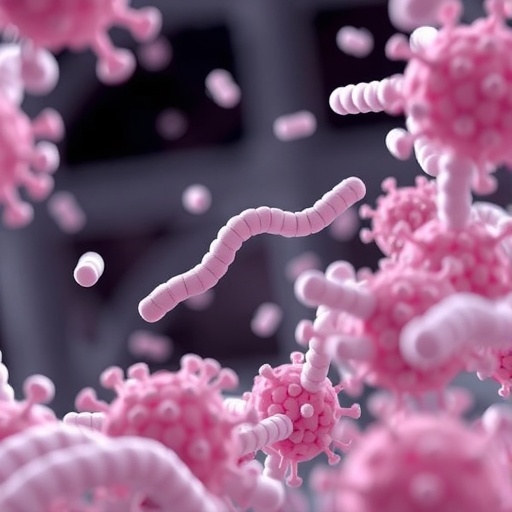
This study bridges a crucial knowledge gap by demonstrating how certain probiotics can mitigate dysbiosis triggered by drugs without antibacterial activity. The researchers introduce the concept of protein homology-driven competitive binding, a sophisticated molecular strategy whereby probiotics use surface proteins homologous to those targeted by pharmaceuticals in gut microbes. These homologous proteins compete for the binding of drug molecules, effectively shielding native microbial populations from detrimental drug-protein interactions.
Using state-of-the-art proteomic and genomic analyses, the research team identified specific probiotic strains capable of expressing proteins structurally similar to those found in vulnerable gut bacteria. By leveraging this protein homology, these probiotics act as molecular decoys, sequestering drugs before they bind to or interfere with key microbial proteins. The result is a preservation of microbial community structure and function, even in the presence of potentially dysbiosis-inducing medications.
To experimentally validate this mechanism, the investigators conducted a series of in vitro and in vivo studies. Cultures of representative gut bacteria were exposed to common non-antibiotic drugs known to cause dysbiosis, such as proton pump inhibitors, antipsychotics, and statins. Introduction of selected probiotics markedly reduced bacterial susceptibility to drug-induced damage, measured by cell viability, gene expression profiles, and metabolic activity.
In parallel, murine models treated with these pharmaceuticals alongside probiotic supplementation showed significantly more stable microbiome compositions compared to controls receiving drugs alone. Crucially, these mice exhibited fewer signs of systemic inflammation and gut barrier disruption, phenomena often linked to microbial imbalance. Such findings underscore the potential for probiotics not just to restore, but to actively defend microbial ecosystems from pharmaceutical perturbations.
Beyond these immediate experimental observations, the protein homology-driven competitive binding mechanism provides a conceptual framework with wide implications. It suggests that the microbiome can be selectively shielded at the molecular level, opening avenues for personalized interventions tailored to the specific drug regimens patients receive. This molecular mimicry strategy is a departure from conventional probiotic applications focused solely on repopulating the gut, highlighting a proactive role for probiotics as molecular sentinels.
Moreover, the study delves into the evolutionary aspects of probiotic-microbiome interactions, proposing that these homologous protein systems may have arisen as an adaptive response to environmental pressures including exposure to xenobiotics. This intriguing hypothesis aligns with broader views of the microbiome as a dynamic and responsive ecosystem, adapting to maintain equilibrium amidst diverse chemical challenges.
Importantly, the implications of this research extend beyond gut health. Given the systemic impact of gut microbes, preserving microbial integrity during pharmacotherapy could mitigate off-target effects of drugs and improve therapeutic outcomes. Conditions ranging from metabolic syndrome to neurodegenerative diseases, where drug-induced dysbiosis plays a contributory role, might benefit from probiotic co-treatment designed around this molecular shielding principle.
While the research presents compelling data, several questions remain for future studies. The exact structural characteristics determining effective protein homology, the range of drugs amenable to this competitive binding, and the long-term stability of probiotic-mediated protection in human subjects warrant deeper exploration. Furthermore, safety and regulatory considerations around deploying such targeted probiotics in clinical settings must be carefully navigated.
In light of the escalating global use of pharmaceuticals and the increasingly recognized role of the microbiome in health, this study provides a timely and critical insight into managing drug-microbiome interactions. It challenges existing paradigms and paves the way for innovative therapies that integrate microbiology, pharmacology, and systems biology.
Taken together, the discovery that probiotics can mitigate non-antibiotic drug-induced dysbiosis through protein homology-driven competitive binding offers a revolutionary approach to safeguarding the gut microbiome. This research not only enriches our understanding of microbial ecology under pharmaceutical stress but also empowers the design of next-generation probiotic treatments poised to transform patient care and drug safety.
As the field of microbiome science rapidly advances, the implications of this work resonate deeply, suggesting that future strategies for drug development and utilization will increasingly consider microbial targets and protective interventions. The intricate dance between microbes and medicines, once viewed as a challenge, now emerges as an opportunity to harness natural molecular mimicry for human health.
The study by Feng and colleagues thus stands at the vanguard of microbiome research, integrating molecular biology with clinical relevance to address a pressing medical challenge. Its findings promise to inspire new lines of inquiry and therapeutic innovation, exemplifying the power of interdisciplinary science to decode and defend the invisible genomic ecosystems within us.
Subject of Research: Gut microbiome protection against non-antibiotic drug-induced dysbiosis through competitive molecular mechanisms mediated by probiotics.
Article Title: Probiotics mitigate non-antibiotic drug-induced dysbiosis via protein homology-driven competitive binding.
Article References:
Feng, S., Zhou, Sx., Si, Zl. et al. Probiotics mitigate non-antibiotic drug-induced dysbiosis via protein homology-driven competitive binding. Nat Commun (2026). https://doi.org/10.1038/s41467-026-72592-5
Image Credits: AI Generated
Tags: chronic disease and gut microbiomecompetitive protein binding probioticsgut dysbiosis mechanismsgut microbiota drug interactionsmicrobiome-targeted therapies 2026microbiota immune modulationnon-antibiotic drug microbiome disruptionnon-antibiotic medication gut effectspharmaceutical compounds and microbiotaprobiotic molecular strategiesprobiotics for drug-induced dysbiosisprotein binding in microbiome therapy