Anxiety disorders, among the most prevalent psychiatric conditions worldwide, continue to pose significant challenges for clinical practice. Recent advances underscore the imperative for clinicians not only to recognize the diverse and often overlapping presentations of anxiety but also to accurately distinguish these from other psychiatric or medical disorders that may mimic or exacerbate anxiety symptoms. This precision in diagnosis is fundamental to ensuring targeted, effective treatment strategies that reduce patient morbidity and enhance overall functioning.
Clinicians face complex diagnostic terrain because anxiety symptoms vary widely—from generalized worry, panic attacks, and phobias, to physical complaints such as palpitations and gastrointestinal distress. These manifestations may easily be mistaken for symptoms of other disorders, including mood disturbances, thyroid disease, or cardiac conditions. Therefore, a comprehensive clinical assessment integrates psychiatric evaluation with thorough medical screening to exclude non-psychiatric etiologies, enabling a focused therapeutic approach.
Emphasizing the role of evidence-based psychotherapeutic interventions, cognitive-behavioral therapy (CBT) remains the gold standard in anxiety treatment. The structured nature of CBT, which seeks to identify and reframe maladaptive thought patterns and behaviors, has demonstrated robust efficacy across multiple anxiety subtypes. Referral pathways to behavioral health specialists adept in CBT are crucial, particularly in settings where behavioral health and primary care services are siloed.
Pharmacotherapy also constitutes a foundational pillar in anxiety management, with selective serotonin reuptake inhibitors (SSRIs) and serotonin-norepinephrine reuptake inhibitors (SNRIs) being first-line agents supported by extensive clinical trials. Moreover, integrating pharmacologic treatments with psychotherapeutic modalities through Collaborative Care Management models fortifies outcomes, ensuring treatment adherence and monitoring symptom progression in a coordinated framework.
The Collaborative Care Management (CoCM) model exemplifies an interdisciplinary approach, where primary care providers collaborate closely with psychiatrists and behavioral health specialists. CoCM facilitates timely adjustments in treatment plans and supports patient engagement, leveraging measurement-based care to optimize therapeutic response. This integration is particularly salient given that anxiety frequently coexists with chronic medical illnesses, requiring harmonized management across specialties.
Reducing morbidity from anxiety disorders transcends symptom alleviation; it entails restoring functional capacity and quality of life, domains often compromised by chronic anxiety. Patients enduring untreated or inadequately managed anxiety suffer from impaired occupational performance, social withdrawal, and increased healthcare utilization. Consequently, interventions must align with a holistic care paradigm addressing psychosocial determinants and comorbid medical conditions.
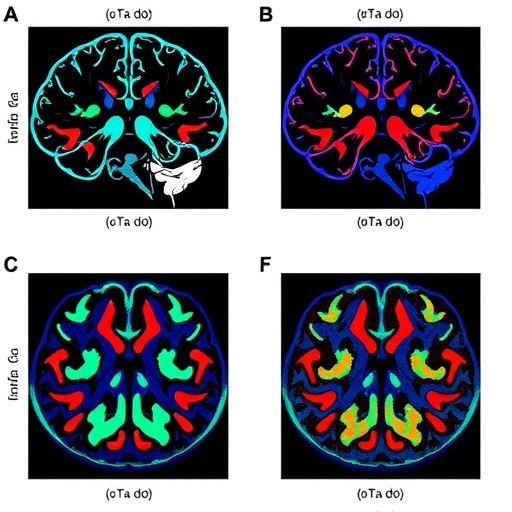
Emerging research further elucidates the neurobiological substrates of anxiety, highlighting dysregulation in the limbic system and prefrontal cortex circuits. Understanding these pathophysiological mechanisms informs novel therapeutic targets, including neuromodulation techniques and precision pharmacotherapy tailored to individual neurobiological profiles. Translating these findings into clinical practice promises to revolutionize anxiety treatment and reduce its substantial public health burden.
Despite advances, barriers remain in the accessibility and uptake of effective anxiety treatments. Stigma associated with mental health, insufficient trained behavioral health workforce, and fragmented care delivery systems hinder optimal patient outcomes. Addressing these challenges requires systemic reform, including enhanced training in anxiety diagnosis and management for primary care clinicians and expansion of integrated care services.
The way forward hinges on continuous education of healthcare providers regarding anxiety’s varied clinical presentations and treatment advances. Equipping primary care and specialty clinicians with practical diagnostic frameworks and referral resources can facilitate timely interventions. This is critical in light of anxiety disorders’ often chronic and relapsing nature, which necessitates vigilant long-term follow-up and adaptive care strategies.
Patient engagement also plays a pivotal role; empowering individuals through psychoeducation on anxiety’s nature and treatment options fosters collaboration and treatment adherence. Digital health tools, such as teletherapy and app-based CBT programs, offer promising avenues to extend care reach and personalize treatment delivery, especially for patients in underserved or remote locations.
In conclusion, the evolving landscape of anxiety disorder management emphasizes integrated, evidence-based approaches combining accurate diagnosis, behavioral therapy, pharmacologic treatment, and collaborative care models. By advancing clinician expertise and system-wide integration, it is possible to mitigate anxiety’s profound impact on individuals and broader healthcare systems. Future research and healthcare innovations hold promise to refine these approaches further, ultimately enhancing patient health and societal well-being.
Subject of Research: Not provided
Article Title: Not provided
News Publication Date: Not provided
Web References: Not provided
References: (doi:10.1001/jamainternmed.2026.0395)
Image Credits: Not provided
Keywords: Anxiety, Adults, Medical treatments, Cognition, Human behavior, Behaviorism, Morbidity, Psychiatric disorders, Internal medicine, Health care delivery
Tags: anxiety disorders in adultsanxiety symptom assessmentbehavioral health referral in primary carecognitive-behavioral therapy for anxietycomorbid anxiety and medical conditionsdifferential diagnosis of anxietyevidence-based anxiety treatmentsgeneralized anxiety disorder treatmentintegrated care for anxietypanic attack management strategiesprimary care anxiety managementpsychiatric and medical overlap