A groundbreaking study from the University of Illinois Chicago has introduced a novel anti-cancer therapy inspired by bacterial proteins naturally residing within tumor microenvironments. This innovative therapy harnesses a peptide, aurB, derived from a bacterial cupredoxin protein called auracyanin. In preclinical animal models of prostate cancer, the therapy demonstrated remarkable efficacy, dramatically suppressing tumor growth when used together with radiation therapy, one of the standard treatment modalities for prostate cancer.
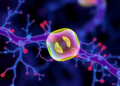
Mitochondria, the powerhouse organelles of eukaryotic cells, have emerged as a compelling therapeutic target in oncology. Cancer cells demand enormous energy to sustain their rapid proliferation and altered metabolism, leading to changes in mitochondrial quantity and function. The aurB peptide operates by infiltrating the mitochondria of tumor cells and specifically targets ATP synthase, the enzyme complex critical for ATP production, thereby severing the energy supply crucial for tumor cell survival and growth.
The conceptual foundation for this therapy arises from a growing body of research highlighting the complex bacterial populations inhabiting tumor microenvironments. These bacteria have, for decades, been known to coexist with tumor cells, but only recently have scientists begun to exploit bacterial proteins as potential sources of anti-cancer agents. Previous work led by Tohru Yamada and his team investigated a bacterial cupredoxin protein capable of tumor suppression but found its efficacy hinged on the presence of functional p53, a tumor suppressor gene frequently mutated in cancers.
Acknowledging the limitations posed by p53 dependence, the researchers sought an alternative bacterial protein whose anti-cancer activity would transcend p53 status. Their attention turned to auracyanin, another member of the cupredoxin family containing copper and similarly involved in electron transport processes. By designing a peptide mimetic, aurB, based on auracyanin, they succeeded in generating an anti-cancer agent effective even in p53-inactive and hormone therapy-resistant prostate cancer models.
In the initial phase of their research, the team extensively profiled bacterial species within breast cancer tumor samples via DNA sequencing techniques. This approach revealed a predominance of auracyanin-containing bacteria, guiding the design and synthesis of aurB. Molecular characterization confirmed that aurB permeates cancer cells, localizing to mitochondria, and binds to ATP synthase. This interaction disrupts ATP synthesis, effectively depleting the intracellular energy stores indispensable for tumor cell viability.
To validate aurB’s therapeutic potential, the researchers evaluated the peptide’s performance in combination with radiation therapy in animal models bearing prostate tumors resistant to conventional hormone therapies. The results were profound, showing significant tumor growth inhibition without apparent systemic toxicity or deleterious side effects. The peptide-radiation combination exhibited synergism, amplifying cancer cell kill rates beyond what either treatment achieved independently.
From a translational standpoint, this study offers hope for a new class of mitochondria-targeting peptide therapeutics, capable of overcoming resistance mechanisms associated with common oncogenic mutations such as those affecting p53. The patented aurB peptide is poised for progression into clinical trials, marking an exciting step toward novel treatments for difficult-to-treat cancers that currently have limited therapeutic options and poor prognoses.
The University of Illinois Chicago-led research not only highlights the therapeutic promise of bacterial protein-derived peptides but also underscores the untapped potential of the tumor microbiome as a reservoir for novel cancer drug discovery. The concept of mining bacterial proteins from tumor-resident microbiota could open transformative avenues in oncology, where reprogramming the tumor milieu through biologically inspired peptides might revolutionize standard cancer care.
UIC’s multidisciplinary team collaborated across departments, underscoring the importance of integrating biomedical engineering, surgery, and clinical medicine expertise to translate fundamental scientific insights into pragmatic, life-saving interventions. This collective effort paved the way for rigorous preclinical validation, setting a robust foundation for future human clinical evaluations.
Going forward, the research team plans to expand their explorations into the broader tumor microbiome, hypothesizing that auracyanin is but one of numerous bacterial proteins with untapped anti-cancer potential. Developing advanced screening methodologies to identify and engineer additional bacterial peptides could substantially enrich the cancer therapeutics landscape, providing personalized and precision-guided options based on tumor microbial signatures.
The implications of this research reach beyond prostate cancer, as mitochondria-targeted therapies may hold promise against a variety of malignancies characterized by metabolic dysregulation and therapy resistance. By exploiting pathogen-inspired molecules naturally evolved to modulate cellular energetics, scientists are ushering in a new era of precision oncology, combining molecular biology, microbiology, and bioengineering to devise sophisticated cancer therapies.
This pioneering approach exemplifies how scientific innovation leverages nature’s molecular diversity—particularly the longstanding, intimate relationship between microorganisms and tumors—to devise treatments that are both highly specific and biologically grounded. It heralds a paradigm shift toward therapies that do not merely attack tumors indiscriminately but strategically dismantle their energy infrastructure, rendering cancer cells vulnerable and curbing tumor progression.
Subject of Research: Development of a bacterial protein-derived peptide, aurB, for mitochondria-targeted anti-cancer therapy, specifically for radiation-combined treatment of prostate cancer.
Article Title: Bacterial Protein-Inspired Peptide AurB Potently Suppresses Tumor Growth by Targeting Mitochondrial ATP Synthase in Preclinical Prostate Cancer Models
News Publication Date: Information not specified
Web References: https://doi.org/10.1038/s41392-026-02703-7
Image Credits: Photo by Jenny Fontaine/UIC
Keywords: Bacteria, Cancer, Peptides, Tumor microenvironments, Mitochondria, ATP synthase, Prostate cancer, Radiation therapy, Tumor microbiome, Cupredoxin, Aurora cyanin, p53-independent therapy
Tags: anti-cancer therapy from bacterial proteinsATP synthase cancer inhibitionaurB peptide cancer treatmentbacterial cupredoxin auracyaninbacterial proteins in oncologycombined radiation and peptide therapyenergy metabolism disruption in cancer cellsmitochondria as cancer therapy targetnovel prostate cancer treatmentsprostate cancer mitochondrial targetingtumor microenvironment bacteriaUIC cancer research breakthrough