In an era where infectious diseases continue to challenge global health systems, the influenza virus remains a persistent adversary, particularly impacting older adult populations. A groundbreaking study emerging from Shihezi, China, offers profound insights into the complex factors that shape vaccine preference among community-dwelling older adults. By employing a discrete choice experiment methodology, the research uncovers the multifaceted determinants influencing influenza vaccine acceptance, shedding light on critical pathways to enhance immunization strategies tailored for an aging demographic.
The elderly population represents one of the most vulnerable groups to influenza complications, including severe morbidity and mortality. Despite widespread availability of vaccines, vaccination rates among older adults often fall short of public health targets. This discrepancy underscores the necessity of understanding not only the clinical efficacy of vaccines but also the socio-behavioral factors that dictate individuals’ vaccination decisions. The Shihezi study rigorously investigates these variables, exploring how older adults weigh different vaccine attributes, such as efficacy, side effects, cost, and administration mode, in their decision-making process.
Utilizing a discrete choice experiment (DCE) design, the researchers replicated a simulated decision environment where participants were presented with various hypothetical vaccine profiles. This approach, distinct from traditional survey methods, compels respondents to make trade-offs between competing vaccine characteristics, thus revealing their true preferences in a nuanced and quantifiable manner. DCEs have become a cornerstone in health economics and behavioral research, primarily because they allow for the estimation of the relative importance of multiple factors influencing health-related choices.
The study’s participant pool comprised older adults residing independently within the Shihezi community, offering a snapshot of vaccine preferences in a real-world social context. This focus on community-dwelling individuals is especially important, as they often navigate health decisions autonomously, unmediated by institutional healthcare settings. By capturing data from this demographic, the study provides vital evidence that can inform targeted communication campaigns and personalized intervention designs aimed at increasing influenza vaccine uptake.
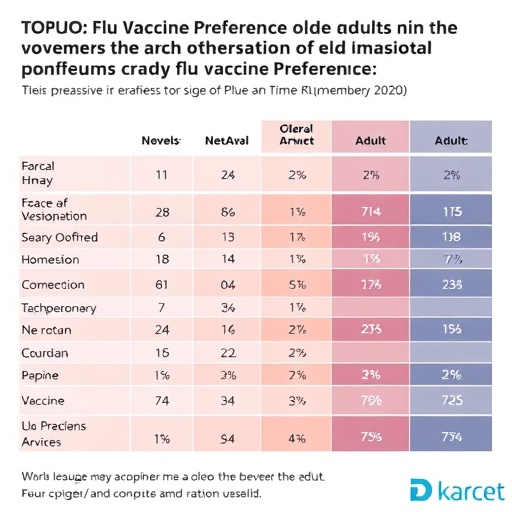
One of the most compelling findings highlights that vaccine efficacy is the paramount determinant influencing acceptance among older adults. Participants displayed a clear preference for vaccines demonstrating higher efficacy rates, underscoring the value placed on robust protection against influenza infection and its associated complications. This preference speaks volumes about the perceived risk-benefit calculus that older adults employ when contemplating vaccination and emphasizes the need for transparent dissemination of vaccine performance data to encourage uptake.
The investigation also revealed heightened sensitivity to potential adverse reactions. While side effects remain generally mild and transient, their perceived impact on vaccine acceptance among older participants was significant. This insight suggests that addressing vaccine safety concerns through educational outreach—clarifying the nature and likelihood of side effects—could alleviate hesitancy and foster greater confidence in influenza immunization programs.
Cost considerations emerged as another pivotal factor shaping vaccine preferences. Even within a community where vaccine subsidies may be available, variations in out-of-pocket expenses influenced participants’ choices. This finding advocates for policies aimed at reducing financial barriers to vaccination, such as expanding free or low-cost vaccine access for older adults, which could dramatically enhance immunization coverage rates.
Additionally, the mode of vaccine administration influenced acceptance rates in nuanced ways. The majority preference leaned toward conventional injection methods, likely owing to familiarity and perceived reliability. However, some participants showed tentative openness to alternative formulations, such as nasal sprays, contingent upon assurances regarding efficacy and side effect profiles. This observation points toward the potential utility of diversifying vaccine delivery methods to cater to varied preferences and comfort levels among older populations.
Underlying these immediate determinants are broader socio-demographic factors, including education level, prior vaccination history, and trust in healthcare professionals. The study’s analysis indicates that higher educational attainment correlates with greater vaccine acceptance, potentially due to improved health literacy and better comprehension of vaccine benefits. Similarly, positive previous experiences with vaccination foster willingness to receive annual influenza vaccines, highlighting the importance of building sustained patient-provider relationships that encourage routine immunization.
Trust emerges as a foundational element in vaccine decision-making. Older adults who reported higher levels of confidence in their primary care providers and healthcare system were more inclined to prefer influenza vaccines with favorable attributes. This finding accentuates the need for healthcare practitioners to engage in empathetic, evidence-based dialogues that reinforce trust and counter misinformation circulating within communities.
The discrete choice experiment framework employed in the Shihezi study equips public health officials with actionable data, informing the design of tailored interventions that reflect the priorities of older adults. By pinpointing key vaccine features that drive acceptance, immunization campaigns can strategically focus messaging on efficacy transparency, safety assurances, financial support mechanisms, and delivery options that resonate strongest with the target audience.
Furthermore, the cultural context embedded within the study population offers valuable insights for regions with similar demographic and epidemiological characteristics. Understanding how Chinese older adults interpret vaccine-related information and balance competing influences provides a blueprint that may be adapted to enhance influenza vaccine strategies in diverse settings globally, especially across rapidly aging societies.
In sum, this pioneering research contributes significantly to the literature by elucidating the determinants of influenza vaccine preferences through a methodologically robust and participatory lens. Its implications extend beyond academic inquiry, offering direct pathways to optimize public health policies and vaccination programs that can ultimately reduce influenza-related morbidity and mortality among older adults.
As influenza viruses continually evolve, posing annual challenges to vaccine formulation and efficacy, keeping older populations well-informed and engaged in vaccine decision-making processes is paramount. The Shihezi discrete choice experiment heralds a promising advance in precision public health, aligning vaccine offerings with elder patients’ articulated preferences and thereby paving the way for improved immunization uptake.
The study underscores the intersection of behavioral science, epidemiology, and health policy, illustrating how data-driven understanding of vaccine choice dynamics can lead to smarter, more patient-centered public health interventions. Moving forward, integration of such methodologies in ongoing surveillance and vaccination program evaluations could foster adaptive strategies that anticipate and respond to shifts in population attitudes and needs.
Ultimately, empowering older adults with clear, accurate information and accessible vaccination options is crucial to safeguarding their health and ensuring community resilience against seasonal influenza outbreaks. The detailed findings from this study provide a roadmap to achieving these objectives, inviting further research and collaborative efforts to refine vaccine promotion tactics aligned with the aspirations and concerns of those most at risk.
As the global population ages, the urgency of addressing vaccine hesitancy and enhancing acceptance among older adults will only intensify. Innovative approaches, like the discrete choice experiment elucidated in Shihezi, offer a promising frontier for public health advancement—one that acknowledges individual preferences and harnesses them to protect the well-being of elders worldwide.
The relevance of this research extends into the realm of pandemic preparedness and response, where understanding vaccine uptake patterns can influence strategies for novel respiratory pathogens. Lessons drawn from influenza vaccine preference studies can be adapted rapidly to emerging threats, optimizing vaccination campaigns through evidence-based patient engagement models.
Beyond influenza, the methodological advancements demonstrated by the discrete choice experiment can be applied to other vaccines and preventive health measures, fostering a culture of informed consent and personalized care. This holistic approach heralds a future in which public health interventions are dynamically tailored, respectful of diverse populations, and more effective in achieving widespread coverage.
In conclusion, the Shihezi study represents a milestone in vaccine preference research among older adults, blending rigorous scientific inquiry with practical public health application. Its insights resonate with global efforts to promote healthy aging and mitigate the burden of infectious diseases, offering hope for more resilient communities and healthier futures.
Subject of Research: Determinants of influenza vaccine preferences among community-dwelling older adult residents
Article Title: Determinants of influenza vaccine preferences among community-dwelling older adults residents: a discrete choice experiment in Shihezi, China
Article References:
Li, Y., Wang, X., Peng, R. et al. Determinants of influenza vaccine preferences among community-dwelling older adults residents: a discrete choice experiment in Shihezi, China. BMC Geriatr (2026). https://doi.org/10.1186/s12877-026-07534-3
Image Credits: AI Generated
Tags: administration mode preferences for flu vaccinescost considerations in flu vaccine acceptancediscrete choice experiment in vaccine studiesfactors influencing flu vaccination uptakeimpact of vaccine attributes on elderly decisionsimproving vaccination rates in elderlyinfluenza immunization strategies for aging adultsinfluenza vaccine preferences in older adultspublic health strategies for flu prevention in seniorsside effects and vaccine hesitancy in older adultssocio-behavioral determinants of vaccinationvaccine acceptance among elderly populations