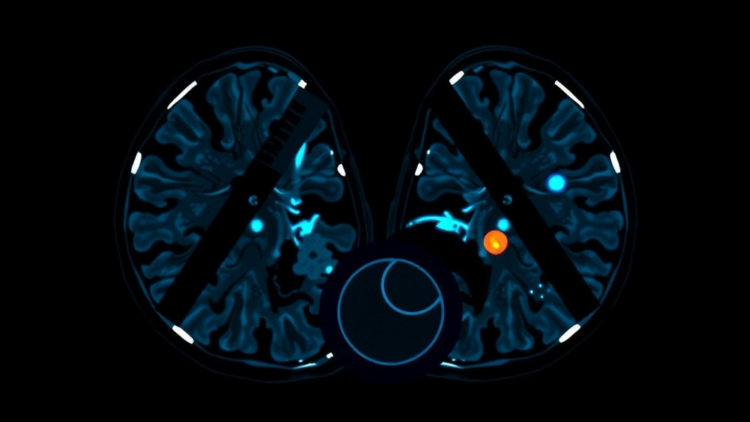
Artificial intelligence (AI) is rapidly transforming the landscape of breast cancer research, promising to revolutionize the way personalized care is delivered to patients. As the field embraces this technological evolution, it becomes increasingly clear that the future of precision oncology will hinge not solely on computational power but on a harmonious integration of AI with advancing biological insights and therapeutic innovations. A newly released special issue of Cancer Biology & Medicine—titled “Harnessing Artificial Intelligence for Personalized Breast Cancer Treatment”—serves as a comprehensive exploration of this evolving paradigm, showcasing how AI supports and complements broader strides in breast cancer diagnostics, treatment modalities, and clinical strategies.
Breast cancer’s inherent complexity arises from its striking biological heterogeneity, diverse molecular subtypes, and varied patient responses to an expanding array of treatments. This multifaceted nature challenges researchers and clinicians to develop more precise tools for diagnosis, prognostication, and therapeutic tailoring. AI has emerged as a vital adjunct to these goals by leveraging large-scale datasets from clinical records, imaging studies, and genomics to identify patterns invisible to human observers. By utilizing machine learning algorithms, particularly deep learning, researchers can enhance the prediction of disease progression, optimize subtype classification, and refine treatment planning on an individual level.
However, these digital advances represent only a portion of the ongoing evolution in breast cancer care. Revolutionary therapeutic modalities—including antibody-drug conjugates, cell-based therapies, and immunotherapeutic approaches—are concurrently reshaping treatment landscapes. Precision diagnostics are becoming increasingly refined, focusing not just on tumor biology but also on the tumor microenvironment and patient immune status. Translational oncology efforts are bridging laboratory discoveries to clinical application more seamlessly than ever before, illuminating new molecular targets and enabling the development of tailored clinical trials.
The special issue, guest-edited by Professor Zefei Jiang of the Chinese PLA General Hospital’s Department of Oncology, recognizes these complexities by weaving AI-centered research alongside studies spotlighting these therapeutic and translational breakthroughs. This balanced approach acknowledges that the promise of personalized breast cancer treatment lies in synthesizing computational innovation with empirical clinical progress, rather than privileging one domain over the other.
Within the issue, several key AI-related contributions underscore where computational methodologies are already making substantial clinical impact. A comprehensive review of AI applications in breast cancer delineates the current state-of-the-art, ranging from digital pathology and radiomics to genomics-informed predictive modeling. Radiomics, for instance, is shown to elevate the predictive accuracy of neoadjuvant chemotherapy response by extracting complex imaging features beyond human perception.
A standout multicenter study leverages multimodal AI techniques that integrate digital pathology images with clinical metadata to noninvasively predict PIK3CA mutation status—a critical biomarker influencing therapy decisions. Such innovations exemplify how AI can not only accelerate diagnostic workflows but also refine molecular stratification, facilitating more precise treatment allocation. Complementing this, deep learning applied to dynamic optical coherence tomography offers novel label-free detection of lymph node metastases, thereby enhancing staging accuracy without additional invasive procedures.
Beyond purely AI-driven research, the issue also presents groundbreaking translational studies that highlight cutting-edge biological and therapeutic advances. For example, investigations into dual therapeutic targeting of ERBB2 mutations and senescence-associated immune suppression in luminal androgen receptor triple-negative breast cancer open avenues for innovative combination therapies. Similarly, metabolic engineering of the transporter protein SLC38A2 demonstrates promising strategies to bolster CAR-macrophage function against solid tumors, marking an intersection between metabolic biology and engineered immunotherapy.
This rich interplay of computational and biological sciences captures the essence of the future breast cancer research paradigm. The dual message is clear: AI is a powerful enabler within precision oncology, but it cannot supplant the essential roles played by detailed molecular understanding, novel therapeutics, and meticulously designed clinical investigations. Rather, it must be integrated thoughtfully into this multidisciplinary ecosystem.
The issue further calls attention to the importance of clinical trial design and statistical methodology in validating AI tools and new therapies alike. The rigorous analysis of toripalimab trial data exemplifies the need for robust, adaptive research methodologies that ensure emerging treatments and computational innovations can be evaluated effectively in real-world clinical settings.
In summation, the special issue of Cancer Biology & Medicine presents a forward-looking but grounded view of breast cancer research, illustrating how AI, molecular science, and therapeutic innovation converge to advance personalized care. This compendium of reviews, original studies, and perspectives highlights that the journey toward truly individualized treatment will depend on a synergistic approach—melding digital prediction algorithms with biological nuances and clinical acumen.
As breast cancer treatment enters this new era, researchers and clinicians are called to embrace this integrated vision. By harnessing AI alongside dynamic biological discovery and therapeutic ingenuity, the oncology community moves closer to a future where every patient receives care precisely tailored to their unique disease profile. This transformative potential offers hope for improved outcomes and quality of life for millions of women worldwide.
For readers interested in delving deeper into this vibrant research crossroads, the full special issue is accessible online through Cancer Biology & Medicine, providing open access to pioneering articles that collectively chart the evolving frontier of AI-enabled precision breast cancer care.
Subject of Research:
Not applicable
Article Title:
Special Issue on Harnessing Artificial Intelligence for Personalized Breast Cancer Treatment Guest
News Publication Date:
15-Mar-2026
Web References:
https://www.cancerbiomed.org/content/23/3?utm_source=chatgpt.com
Image Credits:
Cancer Biology & Medicine
Keywords:
Breast cancer, artificial intelligence, precision oncology, digital pathology, radiomics, PIK3CA mutation, immunotherapy, antibody-drug conjugates, CAR-macrophage, translational oncology
Tags: advancements in breast cancer therapeutic strategiesAI in personalized breast cancer treatmentAI-driven breast cancer prognosticationbig data breast cancer researchbreast cancer artificial intelligence applicationsclinical decision support AI breast cancerdeep learning for cancer subtype classificationgenomics and AI in cancer careintegrating AI and biological insights in oncologymachine learning breast cancer diagnosispersonalized medicine breast cancer innovationsprecision oncology breast cancer