Researchers at The University of Texas MD Anderson Cancer Center have announced a transformative breakthrough in cancer therapy with the development of a novel antibody capable of selectively targeting a specific isoform of the B7-H3 protein. This advancement unlocks the potential of a new class of radio-theranostic treatments that deliver targeted radiation precisely to malignant tumor cells, a method showing promising efficacy in preclinical studies and now advancing to human clinical trials. The study, published in Theranostics, represents a critical step forward in addressing the long-standing challenges posed by B7-H3 targeting in oncology.
The B7-H3 protein, an immune checkpoint molecule, has garnered considerable interest due to its overexpression on a diverse range of aggressive tumors, including pancreatic, lung, and prostate cancers. Despite being an enticing target, its therapeutic exploitation has been impeded by the complexity of its biological function and the existence of multiple isoforms with distinct tissue distributions. Particularly, B7-H3 exists in two prominent isoforms in humans: the 4Ig-B7-H3, predominantly expressed on tumor cell surfaces, and the 2Ig-B7-H3, which circulates broadly in the bloodstream. Prior therapeutic attempts often failed to distinguish between these isoforms, resulting in a lack of specificity and potential off-target toxicities.
The newly developed monoclonal antibody, designated MIL33B in preclinical stages and later humanized into BetaBart, is engineered with remarkable precision to bind exclusively to the 4Ig-B7-H3 isoform. This specificity enables it to evade unintended interactions with the 2Ig-B7-H3 isoform prevalent in normal biological fluids, minimizing systemic side effects. This strategic targeting ensures that therapeutic radioisotopes conjugated to the antibody deliver their cytotoxic payload directly to malignant cells, enhancing efficacy while reducing collateral damage to healthy tissues.
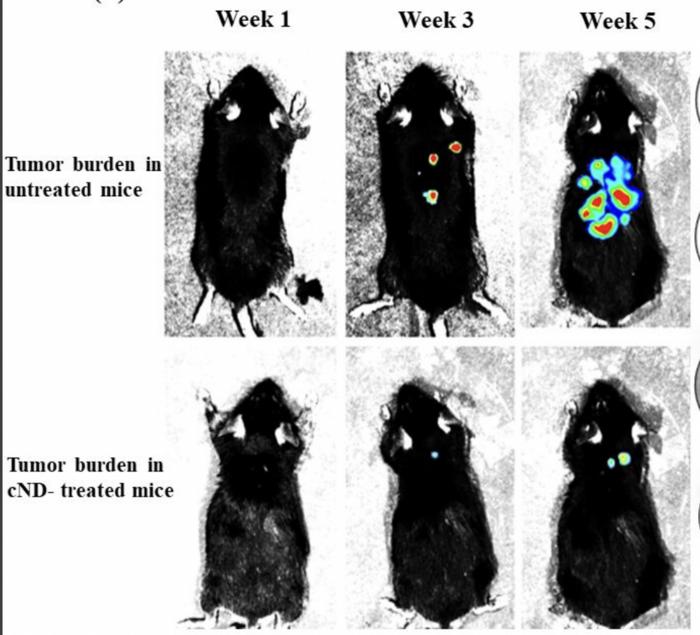
Capitalizing on this selective binding, the researchers conjugated the antibody with the beta-emitting radioisotope Lutetium-177, creating a potent radio-theranostic agent. This agent embodies a dual functionality: simultaneously serving as a diagnostic tool via PET-CT imaging through its radioactive tracer properties, and as a therapeutic agent capable of inducing localized tumor cell death via targeted radiation. Preclinical models demonstrated substantial tumor regression when treated with this β-radioligand therapy, confirming the potential of this approach as a versatile and powerful weapon against heterogeneous tumor microenvironments.
One of the most groundbreaking observations from the study was the induction of a durable immune memory response following treatment. Tumor models that responded to initial β-radioligand therapy exhibited resistance to subsequent tumor rechallenge, suggesting that this therapy not only eradicates tumors but also primes the immune system for long-lasting anticancer defense. This immunological priming effect provides a critical advantage over conventional treatments by potentially reducing relapse and improving patient survival outcomes over time.
While the FDA has approved only a handful of radio-theranostics, such as Lutetium-177 vipivotide tetraxetan (Pluvicto), which is limited to a specific subtype of prostate cancer, BetaBart holds the promise of broadening the application of this modality to a wider spectrum of cancers. By targeting an isoform of B7-H3 that is pervasive across numerous tumor types, this antibody-based radio-theranostic offers a platform for precision oncology that can be adapted toward multiple malignancies that currently lack effective theranostic options.
The initiative has been further propelled by the formation of Radiopharm Ventures, LLC, a collaborative biotech entity between UT MD Anderson and Radiopharm Theranostics. Radiopharm Ventures is overseeing the clinical advancement of BetaBart, which recently entered Phase I/II trials marked by the administration of the first patient dose. This clinical trial will provide critical safety and efficacy data, expected to emerge within the year, that could validate BetaBart as a novel standard of care in cancer treatment paradigms.
This development is rooted in nearly a decade of rigorous research and interdisciplinary collaboration among MD Anderson’s Cancer Systems Imaging faculty, including Dr. David Piwnica-Worms, Dr. Seth Gammon, and Dr. Margie Sutton. Their exploration into the molecular architecture of B7-H3 and innovative antibody engineering has culminated in this landmark publication, which not only delineates the antibody’s selective binding properties but also elucidates its therapeutic mechanisms through comprehensive preclinical validation.
The precision engineering underlying MIL33B/BetaBart enhances tumor targeting by discriminating the structurally similar yet functionally distinct B7-H3 isoforms, a feature previously unattainable with other monoclonal antibodies. This quality facilitates improved pharmacokinetics and reduced nonspecific uptake, advancing safety profiles critical for translating radio-theranostics from bench to bedside. Moreover, this specificity mitigates the risk of unintended immunosuppression or activation, preserving the delicate balance of immune modulation within patients.
With mounting evidence of the efficacy of radio-theranostics in oncology, BetaBart’s development heralds a paradigm shift in molecularly targeted radiotherapy. Unlike systemic chemotherapies or conventional radiation that broadly affect both cancerous and healthy cells, BetaBart offers an elegant solution—delivering potent beta radiation confined spatially to tumor sites defined by antigen expression. This not only maximizes tumoricidal activity but also decreases off-target effects, ushering in a new era of precision medicine with the potential for personalized treatment schemas.
In conclusion, the pioneering work at MD Anderson presents BetaBart as a first-in-class therapeutic antibody conjugate that stands at the frontier of next-generation cancer therapeutics. Its ability to selectively target 4Ig-B7-H3, coupled with the cytotoxic power of Lutetium-177, envisages a future where cancer patients receive highly effective, minimally invasive, and immunologically priming therapies. The upcoming clinical trial results are highly anticipated and could define a new milestone in the quest to expand radio-theranostics beyond current applications, offering hope across cancers that have long resisted curative interventions.
Subject of Research: Animals
Article Title: Anti-cancer immune priming with β-radioligand therapy using a novel high affinity antibody selectively targeting the 4Ig-Isoform of B7-H3
News Publication Date: 12-Mar-2026
Web References:
10.7150/thno.123285
Image Credits: The University of Texas MD Anderson Cancer Center
Keywords: radiation therapy, B7-H3, radio-theranostic, monoclonal antibody, targeted radiation, cancer treatment, immunotherapy, Lutetium-177, precision oncology, immune memory
Tags: B7-H3 isoform specificityhuman clinical trials radio-immunotherapyimmune checkpoint B7-H3MD Anderson cancer researchmonoclonal antibody MIL33Bnovel antibody for B7-H3overcoming off-target toxicitypancreatic lung prostate cancer targetingpreclinical radio-theranostic studiesradio-theranostic cancer therapyselective tumor cell targetingtargeted radiation treatment