In a groundbreaking study published in Advanced Science, researchers have unveiled a sophisticated strategy employed by a notorious bacterial pathogen to subvert the human immune system with remarkable precision. The enteropathogenic Escherichia coli (EPEC), a common culprit behind intestinal infections, deploys a single protein that executes a dual attack on the host’s immune defenses. This discovery not only deepens our understanding of pathogen-host interactions at the cellular level but also highlights novel avenues for therapeutic intervention crucial in the era of rampant antibiotic resistance.
At the heart of this bacterial ploy is a protein known as NleD, a type III secretion system (T3SS) effector that EPEC injects directly into host cells. Previously, NleD was recognized for its ability to cleave and disable key mitogen-activated protein kinases (MAP kinases), pivotal signaling molecules in immune surveillance. These MAP kinases act as intracellular alarm signals, detecting pathogenic invasions and orchestrating inflammatory responses. By proteolytically severing these kinases, NleD effectively silences the initial immune alert, granting the bacterium an advantageous foothold within host tissues.
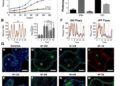
However, the latest investigation spearheaded by Dr. Yaakov Socol and collaborators from the Hebrew University of Jerusalem alongside Prof. J. Sivaraman from the National University of Singapore reveals that NleD exerts an additional, subtler influence on host immunity beyond mere destruction. The protein also targets PPM1A, a cellular phosphatase known to regulate the intensity and duration of immune signaling by dephosphorylating key substrates. Remarkably, NleD does not degrade PPM1A; instead, it binds to this enzyme and sterically obstructs its catalytic activity, preventing it from fine-tuning immune responses.
This bifunctional mechanism—simultaneously cleaving MAP kinases while inhibiting the phosphatase PPM1A—demonstrates a highly evolved bacterial tactic that disrupts not only the primary immune alarm but also the cell’s subsequent capacity to restore regulatory balance. The result is a sustained immunosuppression that favors pathogen survival and proliferation. Such a dual mode of immune subversion underscores the complexity of host-pathogen dynamics and challenges prevailing assumptions that bacterial effectors operate via straightforward, single-action mechanisms.
The molecular precision exemplified by NleD’s multifaceted interference reveals an intricate evolutionary arms race, whereby bacteria have refined their effectors to manipulate host signaling networks at multiple junctures. Instead of brute-force antagonism, these pathogens fine-tune host cell pathways, allowing them to evade immune detection and dampen inflammatory responses with minimal collateral damage to host tissues, which could alert additional immune forces.
From a clinical perspective, this discovery carries profound implications. In the context of escalating antibiotic resistance, conventional antimicrobial therapies targeting bacterial viability are losing efficacy. By contrast, therapies designed to disrupt specific effector-host protein interactions may circumvent resistance by disarming the pathogen’s ability to manipulate the host rather than killing the bacteria outright. The detailed elucidation of NleD’s binding to PPM1A offers promising molecular targets for the design of small molecules or biologics that could restore immune function during infection.
Moreover, this study enriches our fundamental comprehension of innate immunity by delineating how immune signaling is modulated not only in health but also under microbial attack. By illustrating how pathogens perturb regulatory nodes such as PPM1A, researchers gain valuable insight into the endogenous mechanisms that maintain immune homeostasis. This knowledge can foster novel strategies to modulate immune responses in a host-directed manner, potentially benefiting a broad spectrum of inflammatory and infectious diseases.
The experimental approach employed in this research involved a combination of molecular biology techniques, biochemical assays, and cellular infection models. These methods confirmed both the proteolytic cleavage activity of NleD on MAP kinases and the physical interaction between NleD and PPM1A, alongside functional assays demonstrating the consequent inhibition of phosphatase activity. The cross-disciplinary collaboration facilitated a comprehensive understanding of these complex molecular interactions.
Significantly, the bifunctional nature of NleD challenges the paradigm that bacterial effectors have a singular role and highlights the potential for multifunctional proteins to orchestrate elaborate immune evasion strategies. Such a mechanism likely exemplifies a broader phenomenon where pathogens deploy effectors that integrate multiple functional domains or activities to optimize host manipulation.
Future investigations prompted by these findings may explore whether similar bifunctional effectors exist among other clinically relevant bacterial species, potentially unveiling a conserved strategy in microbial pathogenesis. Understanding the full repertoire of bacterial effectors and their multifaceted functions will be key to developing next-generation antimicrobials and immunomodulatory therapies.
In summary, the discovery of NleD’s dual role in subverting host immune responses marks a paradigm shift in our understanding of bacterial pathogenesis. It illuminates the delicate interplay between microbial offense and host defense and opens new frontiers for combatting infections amid the growing threat of antibiotic resistance. By pinpointing how pathogens outmaneuver cellular signaling, this research sets the stage for innovative treatments that reinforce the human immune system’s natural resilience.
Subject of Research: Cells
Article Title: A Bifunctional T3SS-Effector Simultaneously Cleaves Host MAP Kinase and Inhibits PPM1A Phosphatase
News Publication Date: 28-Mar-2026
Web References:
10.1002/advs.202509702
Keywords: Pathogens, Infectious disease transmission, Host pathogen interactions, Immunity, Cells, Bacteria
Tags: advanced bacterial defense mechanismsbacterial immune evasion strategiesbacterial subversion of immune signalingenteropathogenic Escherichia coli infection mechanismshost-pathogen interactions at cellular levelinflammatory response suppression by bacteriaMAP kinase inhibition by bacterial proteinsNleD protein function in bacterial pathogenesisnovel antimicrobial intervention strategiesproteolytic cleavage of immune signaling moleculestherapeutic targets for antibiotic-resistant infectionstype III secretion system effectors