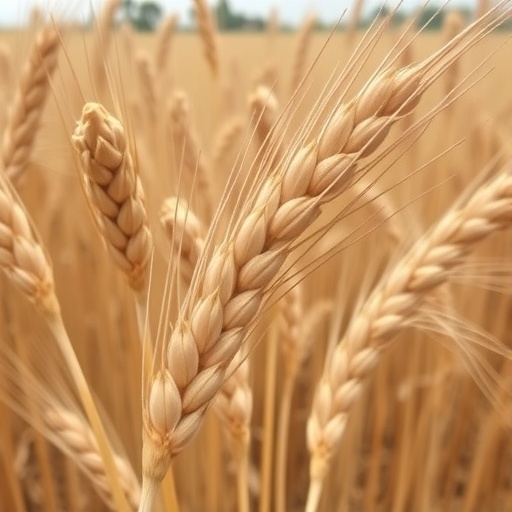
In 2022, Ethiopia faced an unprecedented crisis in its wheat production due to a devastating outbreak of Fusarium head blight (FHB), a disease notorious for inflicting severe damage on cereal crops globally. This fungal affliction not only decimates grain yields but also poses significant health risks by contaminating wheat with mycotoxins detrimental to both humans and livestock. The scope and severity of this outbreak in Ethiopia—historically spared from major FHB incidents—have raised alarms among plant pathologists and agricultural scientists worldwide, urging urgent investigation into the origins, drivers, and consequences of the epidemic.
Fusarium head blight is primarily caused by a complex of closely related fungal species within the Fusarium graminearum species complex. These fungi thrive under specific environmental conditions and can rapidly proliferate, infecting wheat heads and filling grain kernels with toxic compounds such as deoxynivalenol (DON) and zearalenone. The 2022 outbreak in Ethiopia, which saw disease incidences soaring as high as 80% in many fields, with some reaching total infestation, compelled researchers to conduct a thorough examination of the fungal populations responsible. This investigation was spearheaded by scientists from the USDA Agricultural Research Service’s Cereal Disease Laboratory in St. Paul, Minnesota, collaborating with international partners to better comprehend this alarming phenomenon.
Through meticulous collection and analysis of infected wheat samples from various Ethiopian regions affected by FHB, the research team employed cutting-edge DNA sequencing and genomic analysis to delineate the identities of the fungal pathogens involved. Their findings revealed a diverse array of Fusarium species within the known pathogen complex, but most notably identified a previously uncharacterized species, now named Fusarium kistleri. The discovery of this novel pathogen underscores the dynamic nature of fungal populations in agroecosystems, which can rapidly adapt and diversify in response to environmental and anthropogenic pressures.
Fusarium kistleri exhibits distinctive morphological and genetic traits separating it from its Fusarium relatives. Detailed macroscopic and microscopic examination revealed unique colony growth patterns on standard culture media such as potato dextrose agar and oatmeal agar, alongside specialized spore-forming structures including sporodochia, conidiophores, and chlamydospores with characteristic morphologies. These diagnostic features, coupled with genomic data, confirm its status as an emergent threat to wheat health worldwide, challenging existing pathogen management frameworks.
The implications of this discovery extend beyond Ethiopia’s borders. This research highlights how rapidly evolving pathogen populations can emerge unnoticed in localized agroecosystems before exerting global impacts. Fusarium species have a notorious history of dispersal via trade and environmental factors, making the identification of Fusarium kistleri an important early-warning signal for wheat-producing regions internationally. By characterizing the pathogen diversity in this outbreak, researchers aim to refine diagnostic tools and update disease forecasting models to mitigate future outbreaks more effectively.
Beyond pathogen identification, the research delved into the biochemical landscape of the infected grain, analyzing the spectrum and concentration of mycotoxins present. Although many samples contained toxin levels below established safety thresholds, several grain samples exhibited a complex mixture of multiple mycotoxins, with some surpassing internationally accepted limits for human and animal consumption. This co-occurrence of mixed mycotoxins complicates risk assessments and poses a significant challenge for food safety regulators aiming to protect public health while ensuring agricultural sustainability.
Intriguingly, the study also uncovered the presence of another fungal genus, Epicoccum, frequently co-isolated from FHB-affected samples. Although Epicoccum alone induces minimal symptoms on wheat, experimental inoculations revealed subtle synergistic effects whereby its presence slightly exacerbated disease severity when combined with Fusarium infections. This finding sheds light on the complex interspecies interactions within the wheat microbiome that can modulate disease outcomes, emphasizing the need to consider microbial ecology in plant disease research and management.
The research was the product of a robust international collaborative effort spanning multiple institutions, including the Ethiopian Institute of Agricultural Research, the Swedish University of Agricultural Sciences, the University of Pretoria, the University of Minnesota, and the USDA-ARS facilities in Minnesota and Florida. This consortium brought together expertise in mycology, plant pathology, genomics, and crop protection, illustrating the power of multidisciplinary approaches in tackling emergent agricultural threats and enhancing global food security.
Milton Drott, lead researcher at the USDA-ARS Cereal Disease Laboratory, emphasized the importance of studying such outbreaks beyond their immediate geographic domains. Global trade, climate change, and agricultural expansion continually reshape the landscapes in which pathogens evolve and spread. Understanding outbreaks in regions like Ethiopia offers critical insights for developing proactive disease surveillance and management systems in North America and other wheat-producing areas, essentially functioning as a biological early-warning system.
The Ethiopian 2022 FHB epidemic serves as a stark reminder of the vulnerabilities inherent in modern agricultural systems. Rapid pathogen evolution, microbial community dynamics, and environmental changes converge to create conditions ripe for disease outbreaks. Continued surveillance, coupled with advanced molecular diagnostics and comprehensive pathogen ecological studies, are essential to anticipate and mitigate the impacts of such emergent diseases.
This study also highlights significant challenges facing crop protection strategies, especially in developing nations where resource constraints can limit disease management options. The identification of an undescribed pathogen species calls for revisiting resistance breeding programs, fungicide efficacy testing, and integrated management protocols to include a broader spectrum of pathogen diversity.
Ultimately, safeguarding global wheat production against Fusarium head blight and its newly identified fungal adversaries will require concerted international collaboration and investment in research infrastructure. Early detection, informed by genomics and microbial ecology, alongside coordinated responses, offers the best prospect for protecting wheat yields, food safety, and agricultural livelihoods worldwide.
For readers eager to explore the detailed scientific findings and implications of this groundbreaking work, the full research article titled “The 2022 Fusarium Head Blight Outbreak in Ethiopia: Emerging Pathogens, Mixed Mycotoxins, and Interspecies Interactions” is available through Plant Disease, a leading publication dedicated to plant pathology research.
Subject of Research: Fusarium head blight outbreak in Ethiopia, fungal pathogen diversity, emerging Fusarium species, mycotoxin contamination, interspecies fungal interactions in wheat.
Article Title: The 2022 Fusarium Head Blight Outbreak in Ethiopia: Emerging Pathogens, Mixed Mycotoxins, and Interspecies Interactions
News Publication Date: March 5, 2026
Web References: https://doi.org/10.1094/PDIS-01-25-0126-RE
Image Credits: © 2026 The American Phytopathological Society— Liza M. DeGenring et al.
Keywords: Fusarium head blight, wheat disease, Fusarium kistleri, mycotoxins, plant pathology, fungal diversity, pathogen emergence, Ethiopia, crop protection, microbial interactions, agricultural outbreak, genomic analysis
Tags: agricultural fungal pathogen identificationcereal disease laboratory researchdeoxynivalenol contamination in wheatfungal diseases in cereal cropsFusarium graminearum species complexFusarium head blight outbreak Ethiopiaglobal wheat disease outbreaksnew Fusarium species wheat diseaseplant pathology Fusarium researchwheat disease mycotoxin contaminationwheat yield losses Ethiopiazearalenone toxin in cereals