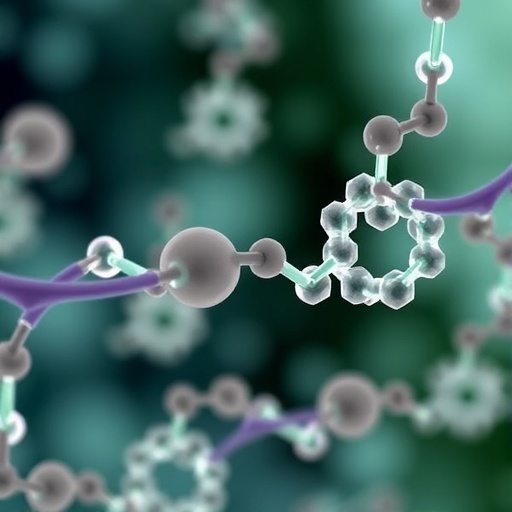
In the landscape of vaccine technology, particularly mRNA vaccines exemplified by the COVID-19 immunizations, lipid nanoparticles (LNPs) have played a pivotal role as vehicles ferrying genetic instructions into cells. However, recent breakthroughs from researchers at the University of Pennsylvania signal a transformative shift in our understanding and utilization of these nanoparticles. Beyond mere delivery agents, LNPs are now being engineered to actively reprogram immune cell metabolism, enhancing vaccine potency while simultaneously mitigating the notorious inflammatory side effects that often accompany vaccination.
The conventional side effects following mRNA vaccinations, such as localized soreness, mild fever, and systemic malaise, have long been accepted as the immune system’s natural inflammatory response to the vaccine’s activation. Although temporary, these symptoms can deter public enthusiasm and compliance with vaccination efforts. Addressing this challenge, the Penn research team has pioneered a novel modification to LNP chemistry that promises to heighten immune response efficacy while tempering adverse symptoms, a feat previously thought to necessitate a compromise between potency and tolerance.
At the molecular heart of this advancement is the redesign of the ionizable lipid component that forms the core of LNPs. By incorporating imidoester cross-linkers, chemical groups that allow the formation of new crosslinked lipid structures, the researchers devised a new lipid variant named C12-2aN. This synthetic innovation was not merely a structural tweak but a strategic enhancement that reprograms the metabolic activity of dendritic cells—key orchestrators of the immune response that train the body to recognize and attack pathogens.
Dendritic cells operate akin to biological engines, dynamically shifting their energy metabolism in response to immunological challenges. Upon detecting antigens, these cells ramp up glycolysis, a rapid pathway of glucose metabolism, to meet the heightened energy demand associated with mounting a defense. The newly engineered C12-2aN lipid nanoparticles were demonstrated to significantly boost glycolytic activity within dendritic cells in both human samples and mouse models. This metabolic stimulation enhances the cells’ ability to initiate and sustain robust immune reactions.
Importantly, this metabolic reprogramming does not trade off vaccine performance. Comparative studies in murine models reveal that LNPs incorporating C12-2aN deliver mRNA with efficacy on par with FDA-approved commercial formulations, proving that enhanced metabolic support and effective genetic delivery are not mutually exclusive. Instead, these multifunctional nanoparticles exemplify a next generation of vaccine technology that simultaneously optimizes delivery and immunomodulation.
One of the most striking findings is the ability of C12-2aN to diminish systemic inflammation typically linked with vaccine-induced side effects. While immune activation is essential, the resultant cytokine storm that often accompanies vaccination can provoke widespread symptoms like fever and muscle aches. The modified lipid nanoparticle formulation appears to induce a more localized and controlled immune activation within targeted immune cells, thereby lowering the expression of inflammatory genes and reducing circulating inflammatory markers in animal models.
This reduction in systemic inflammation was not a mere biochemical observation but translated into tangible physiological benefits. Mouse subjects receiving the C12-2aN formulation exhibited significantly smaller elevations in body temperature—a key metric reflecting inflammatory burden—compared to those injected with traditional lipid nanoparticle vaccines. Such findings pave the way toward vaccines that maintain their protective edge without penalizing recipients with uncomfortable side effects.
Further augmenting the appeal of this new lipid chemistry is its enhanced targeting capability. LNPs often face the challenge of off-target accumulation, particularly in the liver, which can detract from vaccine efficiency and pose safety concerns. The positive charge imparted by the new lipid design appears to influence nanoparticle interactions with biological tissues and extracellular proteins, steering a higher proportion of mRNA cargo toward lymphoid organs like the lymph nodes. Here, immune cells critically coordinate the defensive response, maximizing vaccine impact right where it matters most.
This precise delivery was quantified with the modified LNPs transporting over three times the amount of mRNA payload to lymph nodes relative to liver accumulation, compared to FDA-approved counterparts. This impressive retargeting enhances the functional effectiveness of vaccines and potentially lowers doses needed, presenting significant implications for immunization strategies, distribution logistics, and global vaccination campaigns.
While dendritic cells have been the primary focus, researchers observed that these engineered lipids also influence glycolytic metabolism in diverse immune cell populations. This broad-spectrum metabolic engagement hints at applications beyond infectious disease vaccines, potentially revolutionizing treatments for cancer immunotherapy, autoimmune disorders, and other immune-mediated conditions where metabolic programming plays a decisive role.
The implications of chemically tuning lipid nanoparticles to regulate immune metabolism open an exciting chapter for biomedicine. By departing from the traditional view of LNPs as passive delivery platforms, scientists can now explore engineering them as active immunometabolic modulators, offering simultaneously enhanced therapeutic efficacy and improved patient experiences. This platform technology sets a precedent for rational design in immune engineering, emphasizing the power of chemical innovation in medicine.
Authored by a multidisciplinary team spanning the University of Pennsylvania and global collaborators, the study’s findings were published in Nature Materials on March 17, 2026. The research breaks ground on how nanoengineered vehicles can harmonize biochemical delivery with immune signaling pathways, offering a compelling roadmap for next-generation vaccines and immunotherapies.
Ultimately, this landmark advancement offers hope for vaccines that are not only more effective but also safer and more tolerable, potentially increasing public trust and uptake. By bridging the gap between immune activation and inflammation control through precise nanoparticle engineering, these discoveries push the frontier of what mRNA vaccines can achieve, heralding a new era in vaccine design and immunological health.
Subject of Research: Cells
Article Title: Crosslinked ionizable lipids reprogram dendritic cell metabolism for potent mRNA vaccination
News Publication Date: 17-Mar-2026
Web References: https://doi.org/10.1038/s41563-026-02512-x
References: Nature Materials publication by the University of Pennsylvania researchers
Image Credits: Bella Ciervo, Penn Engineering
Keywords: mRNA vaccine, lipid nanoparticles, ionizable lipids, dendritic cell metabolism, immune modulation, vaccine side effects, glycolysis, nanoparticle delivery, COVID-19 vaccine, immunometabolism, lymph node targeting, nanoparticle engineering
Tags: engineered lipid nanoparticles enhancing immune metabolismimidoester cross-linkers in lipid nanoparticlesimmune cell metabolic reprogrammingimproving vaccine tolerance and efficacyionizable lipid redesign in LNPslipid nanoparticles for mRNA vaccine deliverymRNA vaccine potency improvementnext-generation mRNA vaccine carriersnovel LNP chemistry for vaccinesovercoming vaccine inflammatory responsesreducing inflammatory side effects of vaccinesvaccine technology advancements University of Pennsylvania