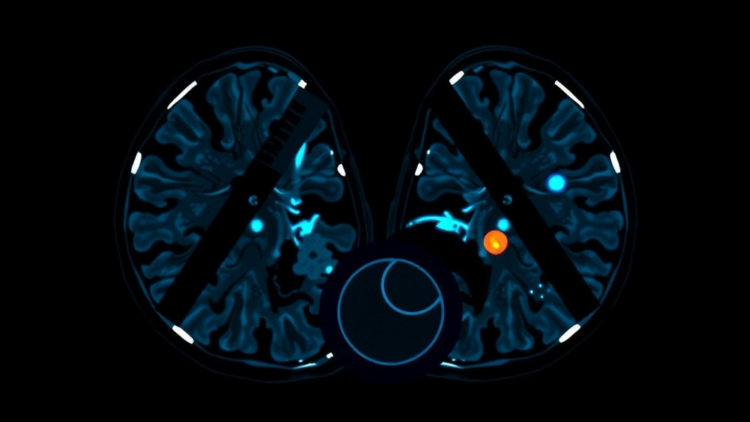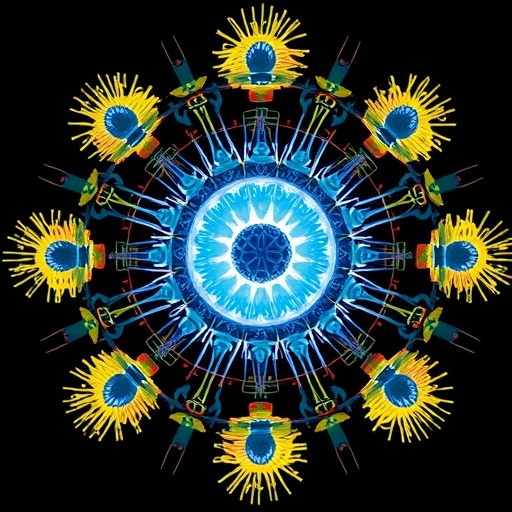
In a groundbreaking leap forward for cancer treatment technology, scientists in China have engineered magnetically controlled microrobots derived from diatoms—single-celled algae with intricate silica shells—to combat glioblastoma through photodynamic therapy (PDT). This innovative approach leverages the natural photosensitizing capabilities of chlorophyll inherently present within the diatoms, eliminating the need for external drug loading. By harnessing the unique biological and structural properties of diatoms, these microrobots demonstrate precise targeting and programmable navigation, promising a novel avenue for highly localized brain cancer treatment.
Glioblastoma remains one of the most aggressive and challenging brain cancers to treat due to its invasive growth and resistance to conventional therapies. Addressing this clinical dilemma, the interdisciplinary research team from the Shenyang Institute of Automation (SIA) of the Chinese Academy of Sciences, collaborating with Shengjing Hospital of China Medical University, exploited the biomineralized architecture of diatoms to fabricate microscale robotic agents. The porous silica shells—or frustules—of diatoms, renowned for their uniform microporous structures and exceptional mechanical stability, serve as ideal scaffolds for the development of these biological hybrid microrobots.
The fabrication process involved acid treatment protocols that purified the diatoms while preserving endogenous chlorophyll molecules within their cellular interiors. This endogenous chlorophyll acts as a photosensitizer, absorbing laser light to generate reactive oxygen species that induce cytotoxicity in targeted glioblastoma cells. The intrinsic porosity of the frustules not only facilitates drug loading but also enhances light penetration during photodynamic activation. Furthermore, by integrating magnetic nanoparticles or coating the diatoms with magnetic materials, the researchers endowed these microrobots with magnetic responsiveness, enabling external magnetic fields to direct their movement with high precision.
Beyond their unique biohybrid composition, the microrobots incorporate advanced control algorithms utilizing artificial intelligence to achieve autonomous closed-loop navigation. These AI-driven systems empower the microrobots to follow predetermined trajectories within highly complex and constrained cellular microenvironments, such as penetrating narrow intercellular spaces. This level of navigation precision is critical for accessing and accumulating within glioblastoma lesion sites buried deep within brain tissue, thus maximizing therapeutic impact while sparing adjacent healthy cells.
Preclinical animal models validated the efficacy and safety of these magnetic diatom microrobots. When directly injected into intracranial glioblastoma tumor sites in mice and subsequently irradiated with laser light, the microrobots effectively produced a potent photodynamic effect, achieving a dramatic reduction in the viability of primary glioblastoma cells—dropping survival rates to as low as 19.5%. Notably, therapeutic administration showed minimal systemic toxicity, an encouraging indicator of biocompatibility crucial for clinical translation.
The revolutionary aspect of this technology lies in its drug-free therapeutic mechanism. Unlike traditional targeted delivery systems that rely on loading exogenous chemotherapeutics—which pose the risk of drug leakage and off-target toxicity—these microrobots employ the diatoms’ natural chlorophyll as an endogenous photosensitizer. This strategic design could fundamentally reduce collateral damage to healthy brain tissues, addressing a persistent challenge in brain cancer treatment modalities.
Looking ahead, the research team envisions integrating their microrobot platform with intraoperative navigation systems and exploring approaches for long-distance in vivo delivery. The combination promises to expand the clinical utility of this technology by enabling real-time precise surgical guidance and facilitating minimally invasive delivery routes. Further refinement of AI algorithms for adaptive navigation and real-time response to dynamic biological environments will enhance therapeutic precision and efficacy.
Diatoms are remarkable not only due to their structural complexity but also for their ecological ubiquity, inhabiting marine, freshwater, and wetland ecosystems worldwide. These photosynthetic organisms range from a few to tens of micrometers in size, with frustules exhibiting exquisitely patterned silica structures that have fascinated biomaterials scientists for decades. Repurposing such a naturally evolved nanostructure for medical robotics illustrates a profound intersection of biology, materials science, and engineering.
The magnetic biohybrid microrobot platform presents a versatile foundation for future theranostic applications where diagnosis and therapy can be integrated at the microscale. By adjusting magnetic field parameters and laser irradiation protocols, the treatment can be finely tuned, potentially enabling personalized treatment regimens. Moreover, the porous frustule structure offers opportunities for multifunctionalization, such as the addition of imaging contrast agents or secondary therapeutic payloads for combination therapy strategies.
This study, published in the journal Bio-Design and Manufacturing, heralds an exciting frontier in nanomedicine and robotic oncology. It showcases how biomimetic and bioinspired designs, coupled with cutting-edge robotics and AI control, may revolutionize the treatment landscape for formidable diseases like glioblastoma. As research pushes forward, the convergence of biology, robotics, and photomedicine promises to unlock new paradigms in cancer therapy, potentially translating into improved patient outcomes and quality of life.
In summary, the development of magnetically controlled diatom-derived microrobots introduces a minimally invasive, precise, and biocompatible method to deliver photodynamic therapy within the brain. This innovation circumvents many limitations of current drug delivery systems and opens new pathways for targeted oncological interventions. As these microrobots move guided by external magnetic fields and AI-controlled trajectories, their chlorophyll-induced photodynamic action offers a naturally inspired yet technologically advanced weapon against glioblastoma.
Subject of Research: Animals
Article Title: Diatom-derived magnetic biohybrid microrobots for photodynamic therapy in glioblastoma
News Publication Date: 16-Feb-2026
Web References: http://dx.doi.org/10.1631/bdm.2500276
References: Bio-Design and Manufacturing, DOI: 10.1631/bdm.2500276
Image Credits: SIA
Keywords: Microrobots, Artificial intelligence, Control systems, Robot control, Robotic designs, Glioblastomas, Diatoms, Nanorobots
Tags: biomineralized silica shellsbrain cancer microbotschlorophyll photosensitizerdiatom-inspired microrobotsendogenous photosensitizing agentsglioblastoma treatmentinterdisciplinary cancer nanotechnologyinvasive glioblastoma challengesmagnetically controlled microrobotsmicroscale robotic drug deliveryprogrammable navigation in cancer therapytargeted photodynamic therapy