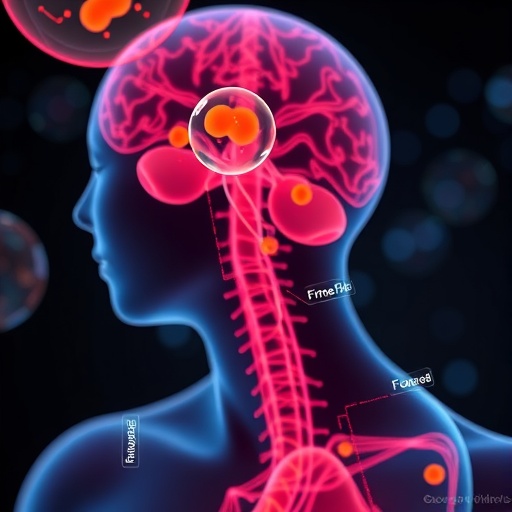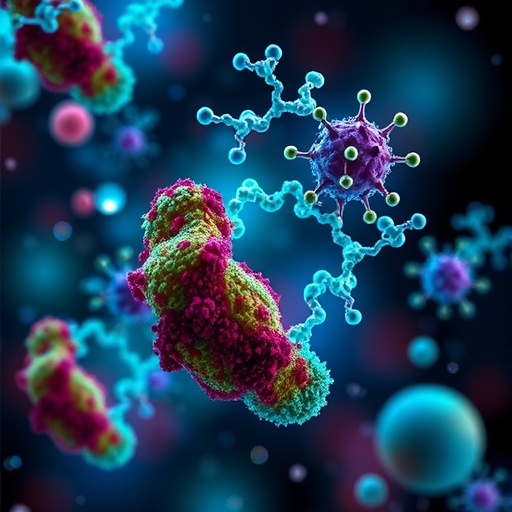
In the ever-evolving field of cell biology, the ability to identify and understand biomolecular condensates has become paramount. These structures, formed through a process termed liquid–liquid phase separation, play critical roles in regulating cellular processes. However, their dysregulation has been linked to various diseases, highlighting the urgency to develop effective methods for their identification and analysis. Recent advancements in methodology have offered a promising avenue towards overcoming existing limitations, enabling researchers to explore these fascinating entities with greater efficiency and depth.
A significant challenge in the field has been the low throughput of conventional techniques used to identify phase-separating proteins. Traditional methods often fail to capture the dynamic changes that occur in response to cellular stimuli, making it difficult to paint a comprehensive picture of biomolecular behavior. Recognizing this gap, a team of researchers has proposed a groundbreaking protocol that combines osmotic compression or transforming growth factor-β (TGF-β) treatment with sucrose density gradient centrifugation coupled with quantitative mass spectrometry. This innovative approach aims to revolutionize the identification of endogenous condensates and phase-separating proteins within cells.
At the core of this new protocol is the principle of exploiting density changes that happen during the process of condensate formation. When phase-separating proteins undergo oligomerization, their density shifts, providing a unique opportunity to isolate and identify these proteins systematically. The application of osmotic compression or TGF-β treatment stimulates the formation of condensates, making it feasible to study not only the proteins that are constitutively present within these structures but also those that respond dynamically during cellular stress or signaling events.
Utilizing this method in H1975 cells, the researchers made a groundbreaking discovery, identifying over 1,500 proteins that exhibited phase-separating characteristics under the induced conditions. Notably, 538 of these proteins had not been previously cataloged in PhaSepDB, an existing database that serves as a repository for known phase-separating proteins. This highlights the method’s potential to unveil previously overlooked players in the realm of biomolecular condensation.
The meticulous process of sucrose density gradient centrifugation allows for the separation of proteins based on their densities, providing a clearer understanding of their roles within cellular contexts. By utilizing quantitative mass spectrometry, the researchers can achieve a proteome-wide analysis, enabling the identification of distinct protein fractions under varying conditions. This level of sophisticated analysis not only enriches our understanding of biomolecular condensates but also outlines a timeline of phase-separation events, illuminating the dynamic nature of these processes in real-time.
One of the standout features of this protocol is its temporal resolution. Researchers can observe how proteins behave under different conditions over a period, capturing the essence of how cellular environments induce phase separation. This represents a significant advancement over traditional methods, which often provide static snapshots that fail to capture the dynamic interplay of cellular components.
In addition to the methodological innovations, the protocol demands a high level of expertise in cell culture, biochemistry, and mass spectrometry. The meticulous nature of the protocol, which spans approximately nine days, underscores the complexity involved in studying these intricate cellular processes. However, the investment in time and skill is justified by the potential rewards, as the insights gained can lead to greater understanding of diseases associated with dysregulated biomolecular condensates.
The implications of this research extend beyond academia, offering potential pathways for therapeutic interventions. Many diseases, including neurodegenerative disorders and cancers, are implicated in the dysregulation of biomolecular condensates. Understanding the proteins associated with these structures can pave the way for novel diagnostic and treatment strategies, potentially transforming patient outcomes.
As researchers delve deeper into the realm of biomolecular condensates, the foundational knowledge gained through this protocol will likely serve as a springboard for future investigations. Scientists are poised to explore the nuances of these structures further, leading to the identification of additional phase-separating proteins and their roles in diverse cellular functions.
Additionally, the discovery of proteins previously unrecorded in existing databases reflects the growing necessity for updated and expanded resources in the field of cell biology. Continuous refinement of data repositories will enhance the ability of researchers to classify and study these important proteins, fostering collaboration and innovation.
Moreover, the asymmetrical distribution of phase-separating proteins could lead to significant advancements in understanding cellular organization and function. As such, the potential for this method to impact our grasp of fundamental biological processes cannot be overstated. The ability to identify and analyze novel proteins can inspire a multitude of studies that extend far beyond condensation itself, reflecting the interconnectedness of cellular components.
Ultimately, the adoption of this high-throughput protocol represents a transformative step in the study of biomolecular condensates. As researchers continue to refine techniques and deepen their understanding of protein dynamics, the promise of discovering critical factors in cellular regulation becomes increasingly tangible. The realm of phase separation is ripe for exploration, and this protocol may very well be the key to unlocking new dimensions of cellular biology.
By embracing these innovations and pushing the boundaries of current research capabilities, scientists are laying the groundwork for significant breakthroughs that will redefine our understanding of life at a molecular level. As the excitement builds within the scientific community, the quest to decipher the complexities of biomolecular condensates continues, promising richer insights and greater knowledge of how our cells function and respond to their environment.
Subject of Research: Biomolecular Condensates and Phase-Separating Proteins
Article Title: High-throughput identification of endogenous biomolecular condensates and phase-separating proteins
Article References:
Li, P., Qi, F., Zhu, W. et al. High-throughput identification of endogenous biomolecular condensates and phase-separating proteins.
Nat Protoc (2026). https://doi.org/10.1038/s41596-025-01327-5
Image Credits: AI Generated
DOI: https://doi.org/10.1038/s41596-025-01327-5
Keywords: Biomolecular condensates, phase separation, high-throughput identification, mass spectrometry, cellular processes, disease mechanisms, proteome analysis.
Tags: advancements in cellular biology techniquescellular biomolecular condensatescondensate formation dynamicsdisease links to condensate dysregulationhigh-throughput biomolecular analysisinnovative research methodologiesliquid-liquid phase separationosmotic compression in researchphase-separating proteins identificationprotein oligomerization processesquantitative mass spectrometry in cell biologyTGF-β treatment effects