In the sphere of gerontology, the relationship between physical activity and health outcomes in older adults has become an increasingly critical focus of research. A recent study conducted by Malatyali, Xie, and Ojo et al., set to be published in BMC Geriatrics, sheds light on how varying levels of cognitive function impact the connection between physical activity, health symptoms, and falls among elderly individuals. The comprehensive findings from the Health and Retirement Study aim to not only contribute to academic literature but also inform public health strategies aimed at this vulnerable population.
As the world’s population ages, understanding the nuances of health in later life is essential. The elderly are at a higher risk of experiencing health complications, which can severely affect their quality of life. This age group often deals with multiple chronic conditions, and mobility limitations further exaggerate their susceptibility to falls and associated injuries. By exploring the interplay of physical activity and cognitive capacity, the researchers anticipated bridging critical gaps in elderly care and preventive health.
One of the notable aspects of this study is its emphasis on cognition levels. Cognitive function in aging populations varies widely, influencing not just health outcomes but also the extent to which individuals engage in physical activities. Elderly individuals with mild cognitive impairment may exhibit different health symptoms compared to those with normal cognition or moderate to severe impairments, leading to varying fall risks.
The Health and Retirement Study (HRS) provides a rich dataset that has long been recognized for its contributions to understanding aging in America. The longitudinal nature of the HRS allows researchers to track changes over time, providing insights into how physical activity patterns may shift with cognitive function. In this study, the authors utilized this extensive dataset to observe how different cognitive levels modify the effects of physical activity on health outcomes.
Physical activity is a key driver of health among older adults, with numerous studies linking it to reduced incidents of chronic diseases, better physical function, and improved mental well-being. However, the efficacy of physical activities can be fundamentally altered in older adults with cognitive impairments. Engaging in regular exercise may mitigate some health symptoms, yet the study indicates that the protective benefits may not be uniformly experienced across all cognitive levels.
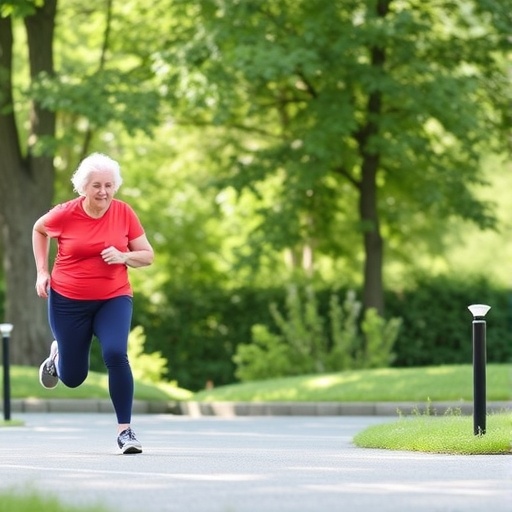
Malatyali and colleagues meticulously analyzed various physical activities, delineating how activities ranging from walking to structured exercise routines produce distinct effects. The findings suggest that while all forms of physical activity hold benefits, those with higher cognitive function may experience a more pronounced positive impact on their health and reduced fall risk. Conversely, those with cognitive impairments may struggle to engage consistently or safely in these activities, thus missing out on potential benefits.
Furthermore, the study highlights the multiple layers of symptoms that older adults experience. Health symptoms commonly observed include pain, fatigue, and depressive symptoms, which can serve as barriers to engaging in physical activity. As cognitive decline progresses, the manifestation of these symptoms may also become exacerbated, creating a vicious cycle that can lead to further decline in both physical and cognitive health.
Interestingly, the link between health symptoms, cognition, and falls places a spotlight on the necessity of tailored health interventions. General recommendations for physical activity may not suffice for older adults with varying cognitive capabilities. Customized programs that account for their unique needs and abilities are essential in fostering not only engagement but also safety in physical activities.
In addition to the social implications of the research, the study’s findings resonate on a public health level. Health agencies and community organizations must consider the cognitive heterogeneity in their program planning and outreach. Initiatives designed to promote physical activity among older adults can be optimized by including cognitive assessments, which can help determine appropriate types of activities that maximize benefits while minimizing risks.
Moreover, this research opens the door to future studies that might further explore the mechanisms through which cognitive decline affects physical health. Understanding these pathways could lead to novel interventions targeting both physical and cognitive health collaboratively, fostering a healthier aging population. For practitioners in geriatric care, these findings underscore the importance of integrated approaches to assess and treat health symptoms in older adults, particularly those with cognitive impairments.
As we look to the future, the implications of Malatyali and colleagues’ research extend beyond academic discourse. They challenge health professionals to consider a multifaceted approach to elderly care—one that prioritizes cognitive health as integral to overall well-being. The adoption of such frameworks could profoundly enhance quality of life and reduce healthcare expenditures associated with falls and chronic illnesses.
The urgency of this research also calls into question public policy regarding health services for the aging population. Policymakers must leverage these insights to allocate resources effectively and prioritize healthy aging initiatives that target both cognitive and physical wellness. As the demographic landscape shifts, a proactive stance is not just prudent but necessary for safeguarding the health of older adults.
In summary, the findings from Malatyali, Xie, and Ojo et al. serve as a poignant reminder of the complexities within the aging process. As we seek solutions for enhancing the lives of older adults, we must remain vigilant in understanding the interplay of diverse factors like cognition, physical activity, and health outcomes. This holistic approach could ultimately lead to enduring strategies that not only extend life expectancy but also enhance the quality of life for future generations of older adults, paving the way for healthier aging.
Subject of Research: The impact of cognitive levels on physical activity, health symptoms, and falls among older adults.
Article Title: Physical activity, health symptoms, and falls in older adults with different cognition levels: evidence from the Health and Retirement Study.
Article References: Malatyali, A., Xie, R., Ojo, E.O. et al. Physical activity, health symptoms, and falls in older adults with different cognition levels: evidence from the Health and Retirement Study. BMC Geriatr (2026). https://doi.org/10.1186/s12877-026-07127-0
Image Credits: AI Generated
DOI:
Keywords: Physical activity, cognitive function, health symptoms, older adults, falls, Health and Retirement Study.
Tags: aging population health riskschronic conditions in aging populationscognitive impairment and fallselderly care and preventive healthfalls prevention in the elderlygerontology research studieshealth outcomes in older adultsimpact of exercise on elderly healthmobility limitations and healthphysical activity and cognitive functionpublic health strategies for seniorsquality of life in older adults