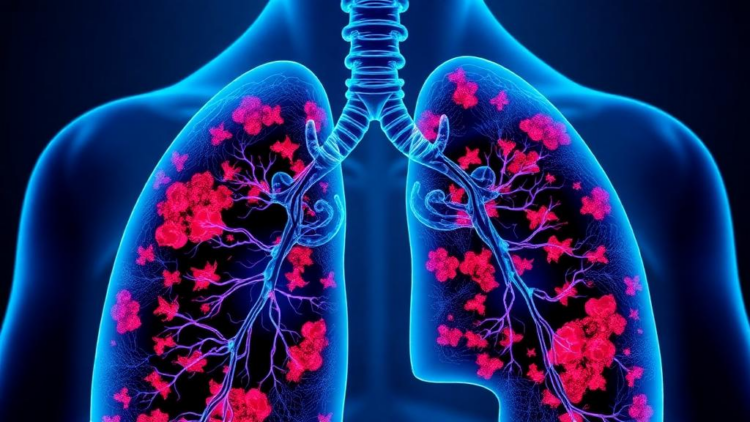
Lung cancer, traditionally linked to tobacco smoking, is undergoing a paradigm shift as an increasing number of cases emerge among individuals who have never smoked. This diminutive yet impactful cohort, termed lung cancer in never-smokers (LCINS), represents a significant and growing portion of lung cancer patients worldwide. Specifically, in 2020, LCINS ranked as the fifth leading cause of cancer-related mortality globally, highlighting an urgent need for amplified research focus and innovative clinical approaches tailored to this subgroup. Recent investigations from University College London underscore this rising concern and call for a reevaluation of lung cancer screening and treatment protocols to incorporate the unique biological and epidemiological features of LCINS.
Current lung cancer screening programs predominantly target individuals with a smoking history, based on the well-documented link between tobacco exposure and carcinogenesis within pulmonary tissues. However, this smoking-centric model inadvertently neglects LCINS patients, who frequently experience delayed diagnoses due to their inconspicuous risk profile. Unlike smokers, these patients often present with insidious symptoms that may be misattributed to benign conditions, thereby impeding early detection and adversely affecting clinical outcomes. This diagnostic gap is exacerbated by the fact that standard therapeutic regimens, including immunotherapies which have revolutionized treatment for tobacco-associated lung cancers, exhibit markedly diminished efficacy in LCINS, suggesting fundamental differences in tumor biology and responsiveness.
Emerging evidence highlights the distinct molecular landscape of LCINS, where adenocarcinoma histology predominates. These tumors characteristically arise in the peripheral lung parenchyma and are frequently driven by singular oncogenic mutations amenable to precision medicine. Approximately 80% of lung adenocarcinomas in never-smokers harbor actionable genetic alterations, such as mutations in the epidermal growth factor receptor (EGFR) gene, which can be effectively targeted by tyrosine kinase inhibitors. However, despite these targeted options, the relative resistance of LCINS to immune checkpoint blockade necessitates alternative therapeutic exploration and underscores the heterogeneity within lung cancer pathology that current guidelines fail to fully address.
The etiopathogenesis of LCINS is multifactorial and distinct from smoking-induced malignancies. Genetic predisposition is a notable contributor; up to 4.5% of LCINS patients possess inherited mutations conferring elevated cancer susceptibility. For example, germline variants like EGFR T790M can precipitate earlier onset tumors with multifocal presentations. Additionally, somatic mutational processes involving the APOBEC3 family, integral to antiviral defense mechanisms, have been implicated in lung tumorigenesis, indicating a complex interplay between innate immunity and oncogenic progression. These findings emphasize the imperative for comprehensive genomic screening in never-smokers to facilitate early identification of at-risk individuals and informed therapeutic navigation.
Beyond genetics, environmental exposures play an instrumental role in LCINS development. Radon, a naturally occurring radioactive gas emanating from geological substrates, and chronic exposure to ambient air pollutants contribute to pulmonary carcinogenesis via sustained oxidative stress and DNA damage. Moreover, second-hand smoke—though less potent than direct smoking—remains a significant risk factor. Coupled with these is the emerging concept of clonal hematopoiesis of indeterminate potential (CHIP), an age-related hematopoietic disorder characterized by proliferating mutant stem cells in the bone marrow, fostering systemic inflammation and a pro-tumor microenvironment. These cumulative factors delineate a complex etiological tapestry distinct from classical tobacco-linked pathways.
A critical challenge in LCINS lies in the modest relative risks associated with individual non-smoking environmental and genetic factors, complicating risk stratification models for effective screening implementation. Traditional reliance on tobacco exposure history inadequately captures this population, necessitating the adoption of risk-based algorithms integrating genetic, molecular, and exposure data. The advent of sophisticated molecular diagnostics and computational risk modeling offers promise in refining patient selection criteria for early lung cancer detection, potentially shifting clinical paradigms toward more inclusive and tailored screening methodologies.
Clinically, the under-recognition of LCINS leads to late-stage diagnoses, where therapeutic options are limited and prognosis poor. Symptoms such as unexplained shoulder pain or subtle respiratory complaints in young, non-smoking females often evade suspicion for malignancy, delaying intervention. This scenario underscores the necessity for heightened clinical vigilance and educational initiatives to sensitize primary care providers and specialists to the distinct presenting features of LCINS, moving away from heuristic biases anchored in smoking history. Early detection through novel biomarkers and imaging modalities tailored to the unique tumor biology of LCINS holds the key to improving survival outcomes.
From a research standpoint, dedicated investigations into the molecular drivers and pathophysiology of LCINS are paramount. This entails comprehensive genomic, transcriptomic, and epigenomic profiling to elucidate oncogenic networks and identify candidate pathways for targeted therapies beyond the currently recognized mutations. Parallel efforts in immune profiling might reveal alternative immunotherapeutic targets or combinatorial strategies to circumvent the observed resistance to standard immunotherapies in LCINS patients. Establishing distinct clinical trial frameworks focusing explicitly on never-smoker lung cancers will accelerate the translation of these discoveries into effective treatments.
Preventive strategies for LCINS are also evolving, with precision prevention emerging as a promising frontier. For individuals harboring inherited susceptibilities, genetic counseling and surveillance programs can facilitate preemptive interventions. Experimental anti-inflammatory agents targeting the chronic inflammatory milieu—whether induced by pollution, CHIP, or other factors—offer avenues to mitigate tumor initiation and progression. Public health policies advocating for rigorous radon abatement, stricter air quality standards, and elimination of involuntary smoke exposure remain crucial components in reducing LCINS incidence. These multifaceted approaches, integrating biology, clinical practice, and policy, are essential to stem the rising tide of lung cancer in never-smokers.
In conclusion, the landscape of lung cancer is evolving with never-smokers representing a complex, distinct subgroup that challenges prevailing notions of disease etiology, diagnosis, and management. The distinct genetic, environmental, and inflammatory underpinnings of LCINS necessitate a fundamental shift in research priorities, clinical screening protocols, and therapeutic development. Embracing this nuanced understanding will enable earlier detection, personalized treatment regimens, and effective prevention strategies tailored to this underestimated patient population. As tobacco smoking declines globally, the increasing prominence of LCINS signals an urgent imperative to rethink how lung cancer is conceptualized and combat this lethal disease in all its forms.
Subject of Research: Lung cancer in never-smokers (LCINS)
Article Title: Emerging Insights and Challenges in Lung Cancer Among Never-Smokers: A Call for Distinct Clinical Paradigms
News Publication Date: Not specified
Web References: http://dx.doi.org/10.1016/j.trecan.2025.12.009
Keywords: Lung cancer, cancer screening, cancer risk, medical diagnosis, cancer genetics
Tags: cancer mortality statistics 2020cancer research prioritizationdiagnostic gaps in lung cancerearly detection challengesimmunotherapy limitationsinnovative treatment approachesLCINS research fundinglung cancer in never-smokerslung cancer screening protocolsnon-smoker cancer epidemiologypublic health urgencytobacco-free lung cancer