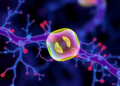
In recent groundbreaking research from an international collaboration led by Professor Guideng Li of the Suzhou Institute of Systems Medicine in China, alongside Dr. Philip D. Greenberg’s team at the Fred Hutchinson Cancer Center in the United States, a pivotal mechanism underlying CD8⁺ T cell exhaustion has been elucidated. The findings, published on January 14, 2026, in two complementary studies in Immunity & Inflammation and Nature, unravel how chronic T cell receptor (TCR) engagement acts not as a sustained activator but paradoxically as a suppressor of T cell function through the downregulation of a crucial regulatory axis involving FOXO1 and KLHL6 proteins. This discovery provides a novel molecular framework explaining the progression from effective immune surveillance to T cell exhaustion—a long-standing conundrum in immunology.
CD8⁺ T cells serve as the body’s primary cytotoxic agents targeting virally infected and cancerous cells. However, prolonged antigen exposure, particularly in the tumor microenvironment, drives these cells into a dysfunctional or “exhausted” phenotype characterized by diminished effector capabilities, elevated inhibitory receptor expression, and extensive rewiring of epigenetic and metabolic landscapes. This exhausted state compromises immune clearance of tumors and persists despite immunotherapeutic attempts to reinvigorate T cell responses. Within these exhausted populations, precursor-exhausted subsets maintain some stem-like qualities and potential for therapeutic rescue, whereas terminally exhausted T cells are largely refractory. The molecular determinants orchestrating this dissociation and terminal exhaustion were previously elusive.
The Li and Greenberg teams employed integrative analyses of exhaustion transcriptional and epigenomic landscapes across chronic viral infection and tumor models. They uncovered a dramatic disruption in protein homeostasis pathways, with a particular emphasis on ubiquitin-mediated protein degradation as a critical axis modulating T cell exhaustion. Their CRISPR-based systematic screening pinpointed KLHL6, an E3 ubiquitin ligase, as a crucial mediator capable of simultaneously attenuating exhaustion-associated transcription factors while enhancing mitochondrial fitness.
Mechanistic dissection revealed that KLHL6 targets two central proteins for proteasomal degradation: TOX, a master regulator transcription factor promoting exhaustion programs, and PGAM5, a mitochondrial phosphatase that controls mitochondrial morphology through the Drp1-mediated fission pathway. Under conditions of chronic TCR signaling, KLHL6 expression is suppressed, leading to the accumulation of TOX and PGAM5. This imbalance drives enhanced transcriptional exhaustion signatures and mitochondrial fragmentation, resulting in metabolic insufficiency that further compromises T cell function.
The upstream regulation of KLHL6 was elucidated in their complementary study published in Immunity & Inflammation. Here, it was demonstrated that acute TCR stimulation transiently inhibits KLHL6 via activation of the canonical PI3K-AKT pathway, which phosphorylates FOXO1, a transcription factor essential for KLHL6 expression. While such transient suppression allows controlled activation, chronic antigenic stimulation causes sustained phosphorylation and cytoplasmic retention of FOXO1, irreversibly downregulating KLHL6 transcription and effectively locking T cells in an exhausted and dysfunctional state.
Further functional assays mapped the hierarchy within this regulatory module. While FOXO1 has been previously recognized for its role in promoting T cell memory formation and sustained fitness, overexpression of KLHL6 alone was sufficient to restore effector functions and memory potential even in FOXO1-deficient T cells. This finding establishes KLHL6 as a principal executor of FOXO1-mediated T cell resilience, revealing it as a downstream bottleneck amenable to therapeutic modulation.
The research findings elegantly explain how chronic TCR signaling paradoxically promotes exhaustion by hijacking a central transcriptional regulatory axis. This previously unappreciated FOXO1-KLHL6-TOX/PGAM5 cascade integrates antigenic chronicity into a stable exhaustion phenotype with profound metabolic and epigenetic consequences. The implications for immunotherapy are substantial, suggesting that therapeutic strategies aimed at enhancing KLHL6 activity or mimicking its ubiquitin ligase function—potentially through small molecule agonists or targeted protein degraders against TOX and PGAM5—could prevent or reverse T cell exhaustion.
This mechanistic insight opens new therapeutic vistas for reprogramming dysfunctional T cells within solid tumors and chronic infections, areas where immune checkpoint blockade and adoptive T cell therapies like CAR-T and TCR-T have had limited success. By reinstating KLHL6 expression or promoting FOXO1 nuclear activity, it may be possible to sustain T cell effector functions, regenerate memory precursor subsets, and thus achieve durable tumor eradication.
Moreover, the elucidation of mitochondrial dynamics regulated by KLHL6-mediated PGAM5 ubiquitination provides a unique link between proteostasis and metabolic reprogramming in exhausted T cells. Mitigating mitochondrial fragmentation through this pathway could restore mitochondrial integrity and energetic capacity, further enhancing T cell persistence in hostile tumor microenvironments.
Altogether, this research resolves a crucial immunological puzzle: chronic antigen stimulation does not maintain T cell activation but instead instigates a repressive program through FOXO1 inhibition and KLHL6 suppression. These findings catalyze a paradigm shift from purely immune checkpoint-focused approaches to encompass interventions targeting protein degradation and metabolic resilience pathways.
As the therapeutic landscape evolves, harnessing the FOXO1-KLHL6 axis could revolutionize the design of next-generation immunotherapies. This includes the development of KLHL6 agonists or proteolysis-targeting chimeras (PROTACs) to selectively degrade exhaustion drivers like TOX and PGAM5, combined with current immunomodulatory agents to synergistically restore T cell potency against persistent malignancies.
Future studies will also be necessary to delineate how this axis operates in human cancer patients and its interplay with other exhaustion markers and co-inhibitory signaling pathways. Understanding tissue-specific and temporal dynamics of FOXO1-KLHL6 regulation will be essential for optimizing therapeutic windows and minimizing off-target effects.
This research underscores the profound complexity within T cell exhaustion biology and provides a clear molecular roadmap for interventions aimed at boosting endogenous immunity. Its impact resonates far beyond cancer immunotherapy, potentially informing treatments for chronic viral infections and autoimmunity where T cell dysfunction critically influences disease outcomes.
In conclusion, the innovative work by Professor Guideng Li and collaborators not only unlocks the molecular triggers of T cell exhaustion but lays a transformative foundation for restoring robust, long-lasting T cell immunity in the face of chronic antigenic challenges. The FOXO1-KLHL6 axis emerges as a master regulator and promising target to tip the balance from exhaustion to immune restoration, heralding a new era in immunological therapeutics.
Subject of Research: Animals
Article Title: Chronic TCR signaling-driven suppression of the FOXO1-KLHL6 axis promotes T cell exhaustion
News Publication Date: 14-Jan-2026
Web References:
https://doi.org/10.1007/s44466-025-00023-z
https://doi.org/10.1038/s41586-025-09926-8
References:
Li G., et al. “Chronic TCR Signaling-Driven Suppression of the FOXO1-KLHL6 Axis Promotes T Cell Exhaustion.” Immunity & Inflammation, 14-Jan-2026. DOI: 10.1007/s44466-025-00023-z
Cheng H., et al. “The Ubiquitin Ligase KLHL6 Drives Resistance to CD8⁺ T Cell Dysfunction.” Nature, 14-Jan-2026. DOI: 10.1038/s41586-025-09926-8
Image Credits: Prof. Guideng Li, Suzhou Institute of Systems Medicine, China
Keywords: Health and medicine, Biomedical engineering, Diseases and disorders, Health care, Human health, Cancer, Carcinoma
Tags: cancer immunology research findingsCD8 T cell dysfunctionchronic T cell receptor engagementepigenetic changes in T cellsFOXO1 and KLHL6 proteinsimmune surveillance and T cell activationimmunotherapy challenges in cancerinternational collaboration in biomedical researchmolecular mechanisms of T cell regulationnovel therapeutic approaches for T cell rejuvenationT cell exhaustion in cancertumor microenvironment effects on immunity