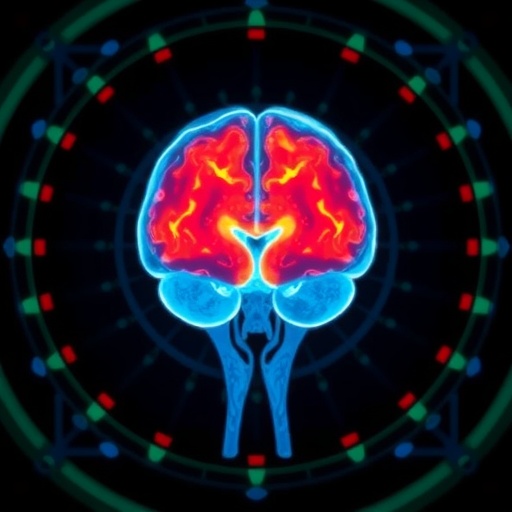
A groundbreaking advancement in neurosurgery has been achieved with the installation of a state-of-the-art intraoperative MRI (iMRI) system at the University of Chicago Medicine. This facility is one of only twelve institutions in the United States that is equipped with this cutting-edge technology. The ramifications of integrating iMRI into surgical protocols are profound, as it vastly alters the approach to complex neurosurgeries, putting patient safety and outcomes at the forefront of medical innovation.
Intraoperative MRI technology has propelled surgery into a new frontier, enabling real-time functional MRI scans to be conducted during operative procedures. This capability allows neurosurgeons to detect potential complications within a mere seven seconds, a remarkable feat that traditionally required time-consuming imaging sessions conducted far from the operating room. The ability to receive immediate feedback during surgery gives surgeons the agility to adapt their techniques based on the current physiological state of the brain.
Dr. Peter Warnke, a leading figure in this innovative field and Director of Stereotactic and Functional Neurosurgery at UChicago Medicine, emphasizes how this technology shifts the paradigm from merely excising visible lesions to treating the underlying disease biology that contributes to an individual’s condition. This nuanced approach is informed by detailed metabolic profiles and an understanding of the brain networks at play, thus tailoring the surgical methods to the unique characteristics of each patient’s pathology.
The logistics of traditional neurosurgical procedures often involved stabilizing patients and transporting them to separate imaging rooms during surgery, introducing myriad risks and extending the duration of already intricate operations. With the new iMRI suite strategically positioned between two operating rooms, surgeons can seamlessly conduct imaging without relocating the patient. This configuration has the potential to reduce the surgery time by one to two hours, thereby enhancing patient safety and optimizing recovery times.
Moreover, the presence of this innovative imaging solution enables an increase in the number of complex surgical cases that can be addressed in a single day, thus maximizing the efficiency of surgical processes while maintaining high standards of care. Dr. Mohamad Bydon, Chair of the Department of Neurological Surgery at UChicago Medicine, states that the iMRI is not merely another imaging tool but rather a transformative technology that facilitates integrated functional monitoring alongside surgical intervention.
Dr. Bydon highlights the significance of this technology for patients suffering from a range of conditions, including brain tumors, epilepsy, vascular diseases affecting the brain, and intricate spinal conditions. The iMRI’s capabilities represent a significant leap forward, reinforcing the notion that intraoperative MRI is essential for addressing complex neurosurgical diseases. This investment in advanced imaging technology affirms UChicago Medicine’s commitment to providing world-class care, tailored to the unique needs of each patient.
The culmination of years of planning, the incorporation of iMRI at UChicago Medicine not only enhances patient care but also attracts individuals seeking superior neurological treatment from across the globe. As Dr. Jeffrey B. Matthews, the Surgeon-in-Chief and Chair of the Department of Surgery at the University of Chicago Health System, articulates, the embracement of iMRI signifies a transformative step towards advancing patient care through innovative technological solutions.
This advanced imaging technology positions UChicago Medicine at the forefront of neurosurgical excellence, ensuring that patients receive leading-edge care facilitated by a multidisciplinary team of experts. Dr. Bydon reinforces this notion, stating that the practice of combining advanced imaging with surgical procedures such as iMRI makes a critical difference in surgical outcomes, allowing for more informed and adaptive surgical strategies.
As health care evolves, the introduction of technologies like the iMRI not only streamlines surgical processes but also substantially contributes to enhanced patient safety and recovery. The ability to conduct real-time assessments during surgical interventions equips neurosurgeons with vital information that can influence surgical decisions, ultimately reshaping the landscape of neurosurgery.
In conclusion, the arrival of iMRI at the University of Chicago Medical Center marks a defining moment in the realm of neurosurgery. The integration of this technology translates into a safer, more efficient approach to treating complex neurological conditions, fostering a future where surgical precision is complemented by real-time imaging capabilities. The potential benefits for patients undergoing neurosurgical procedures are immense, granting them access to the most advanced care available today.
This groundbreaking development reaffirms the essential role that innovative technology plays in enhancing patient outcomes and streamlining surgical practices. The University of Chicago Medicine stands at the forefront of this transformation, demonstrating a relentless commitment to advancing medical science and providing unparalleled patient care.
As the field of neurosurgery continues to evolve with technological advancements, the pioneers at institutions like UChicago Medicine showcase how adopting revolutionary instruments such as the iMRI can significantly benefit patients, promoting a future built on precision, safety, and efficacy in surgical practices.
Subject of Research: Intraoperative MRI in neurosurgery
Article Title: Transforming Neurosurgery: The Impact of iMRI Technology at UChicago Medicine
News Publication Date: October 2023
Web References: www.uchicagomedicine.org
References: Not applicable
Image Credits: UChicago Medicine
Keywords
Neuroscience, Neurology, Neurosurgery, Intraoperative MRI, Advanced Imaging Technology
Tags: complex neurosurgeries innovationcutting-edge medical technology in surgeryDr. Peter Warnke neurosurgeryenhancing surgical precision with iMRIfunctional MRI during operationsiMRI technology in neurosurgeryintraoperative MRI benefitspatient safety in brain surgeryrapid complication detection in surgeryreal-time brain surgery imagingtreating underlying disease biologyUniversity of Chicago Medicine advancements