Decades of breast cancer research have long recognized the protective effect of early pregnancy against the disease, yet the underlying cellular mechanisms remained elusive. Now, a groundbreaking study conducted by researchers at the University of California, Santa Cruz, sheds light on how pregnancy may serve as a critical biological intervention, fundamentally altering the aging trajectory of mammary tissue and thus reducing cancer risk later in life. Employing a sophisticated mouse model that simulates human reproductive timing and aging, the team uncovered pivotal changes at the single-cell level, revealing how early pregnancy prevents the accumulation of aberrant cell populations implicated in tumor initiation.
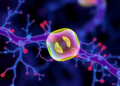
The researchers applied single-cell RNA sequencing technology to dissect thousands of individual mammary epithelial cells from aged female mice that had either experienced an early first pregnancy or remained nulliparous (never pregnant). This approach allowed unprecedented resolution in characterizing cellular heterogeneity and gene expression dynamics within the aging mammary gland, providing critical insights into lineage commitment and cellular identity. Their analysis exposed a previously unrecognized subset of “hybrid” epithelial cells in aged, nulliparous mice. These cells defy normal classification by simultaneously expressing markers of both luminal and basal mammary lineages, suggesting a breakdown in cellular differentiation fidelity—a phenomenon now linked with increased tumor risk.
A central molecular player surfaced from this study: Interleukin-33 (IL-33), an inflammatory cytokine markedly elevated in the hybrid cell population. IL-33 not only serves as a biomarker for these confused cells but also actively drives features reminiscent of early tumorigenesis. When young mammary epithelial cells were experimentally exposed to IL-33 in vitro, they exhibited enhanced proliferative capacity and formed organoids more readily, especially in the absence of functional Trp53, a crucial tumor suppressor gene. This finding implicates IL-33 as a potent inducer of cellular plasticity and proliferation, likely fostering a microenvironment conducive to malignant transformation.
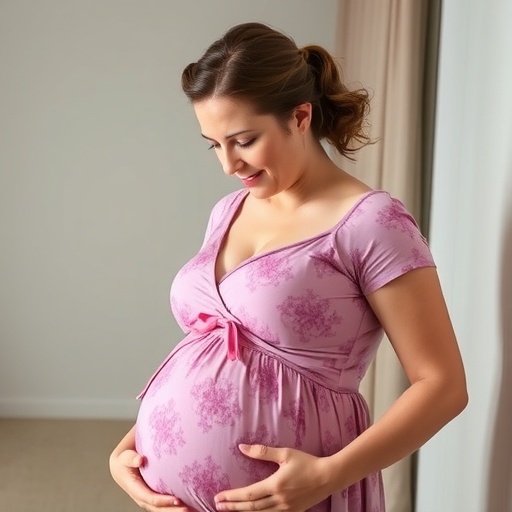
Intriguingly, early pregnancy appears to act as a “cellular reset button,” preventing the emergence and accumulation of these IL-33–positive hybrid populations during mammary aging. The process seems to enforce a stringent lineage integrity, compelling cells to commit to their specialized roles and maintaining tissue homeostasis. This mechanism provides a biological rationale for the long-observed protective effect of early childbirth, which may only manifest decades later despite occurring much earlier in life. By stabilizing cell identity and suppressing pro-tumorigenic signals, pregnancy effectively rewires the mammary gland’s aging process.
The implications of these findings are profound when contextualizing breast cancer epidemiology. Most breast cancer cases are diagnosed post-menopause, a stage mimicked here by studying aged mice beyond reproductive years. Yet the protective influence of a pregnancy decades earlier reprograms the aging breast at the molecular and cellular levels, highlighting the significance of early reproductive history in modulating cancer risk. This delayed effect reflects the slow accrual of cellular abnormalities that pregnancy helps to mitigate, an insight that fundamentally advances our understanding of breast tissue aging and oncogenesis.
Further analysis revealed that pregnancy restored the balance between basal and luminal mammary epithelial cells, which otherwise becomes skewed with aging. Typically, basal cells expand disproportionately in aged nulliparous mice, a shift reversed by parity. Functional assays demonstrated that both basal and luminal cells from aged parous animals formed fewer organoids, indicative of reduced proliferative potential and possibly a lowered risk of malignant transformation. Moreover, luminal cells in parous mice retained molecular hallmarks of post-pregnancy involution—a state known to stimulate immune surveillance—suggesting an additional cancer-protective mechanism actively engaging the immune system.
The discovery of IL-33’s role in fostering hybrid epithelial cells elucidates a key link between inflammation, cellular plasticity, and oncogenesis within the breast. Inflammatory signaling has long been implicated in tumor biology, but this study places IL-33 at a central crossroads, mediating age-dependent cellular confusion that might initiate carcinogenesis. By experimentally exposing cells to IL-33 and suppressing Trp53, the researchers recreated conditions facilitating early tumor development, underscoring how aging and inflammatory pathways converge to drive malignant progression.
While this study was performed in mice, the authors emphasize the conserved architecture of mammary glands and analogous epidemiological patterns of breast cancer risk in humans, suggesting translational relevance. The elucidation of hybrid cell populations and their regulation by pregnancy offers novel targets for preventative strategies, potentially transforming how at-risk women are monitored or treated. Interventions that mimic pregnancy’s stabilizing influence on mammary cells or therapeutically modulate IL-33 signaling could emerge as innovative means to forestall breast cancer.
Although definitive proof connecting hybrid cells to cancer formation in humans is pending, the identification of this cell population as a biomarker and functional contributor to tumorigenic processes marks a significant advance. The researchers plan to delve deeper into the biology and regulation of these cells, aiming to unravel how lineage instability evolves and whether it directly precipitates malignancy. Their future work may also explore how immune mechanisms interact with cellular identity programs during mammary aging.
Ultimately, this study reframes the narrative around pregnancy and breast cancer by highlighting pregnancy not merely as a reproductive milestone but as a powerful biological modulator that permanently affects cellular aging trajectories. The protective legacy of early pregnancy reflects a profound reprogramming of mammary gland biology, emphasizing the interplay between developmental history and cancer susceptibility. These insights open avenues for novel diagnostic and therapeutic approaches focused on maintaining cellular fidelity and quelling inflammatory drivers in the aging breast.
This research was led by Shaheen Sikandar, an assistant professor at UC Santa Cruz’s Department of Molecular, Cell, and Developmental Biology. Co-authors included Paloma Medina, Veronica Haro Acosta, Sara Kaushik, and Matijs Dijkgraaf, all of whom contributed to the interdisciplinary effort involving genomics, stem cell biology, and molecular oncology. Funded by the Hellman Foundation and NIH’s National Cancer Institute fellowship program, this work propels the field toward a nuanced understanding of cancer risk shaped by lifelong biological processes.
For decades, breast cancer has posed a complex puzzle, where age and reproductive history intersect to influence disease onset. The elucidation of IL-33+ hybrid epithelial cells and their suppression through early pregnancy provides a transformative framework to conceptualize breast tissue aging and cancer prevention. As the scientific community builds upon these findings, hope emerges for tailored interventions that replicate pregnancy’s protective effects, dramatically altering breast cancer trajectories and improving outcomes worldwide.
Subject of Research: Animals
Article Title: Divergent aging of nulliparous and parous mammary glands reveals IL33+ hybrid epithelial cells
News Publication Date: 21-Jan-2026
Web References:
DOI link
Image Credits: Sikandar Lab / UC Santa Cruz
Keywords: breast cancer, aging, mammary gland, pregnancy, IL-33, hybrid epithelial cells, cell differentiation, inflammation, single-cell RNA sequencing, tumor suppression, Trp53, cellular plasticity
Tags: aging trajectory and cancer riskcellular heterogeneity in mammary glandscellular mechanisms of agingearly pregnancy and breast cancer riskgene expression dynamics in aginghybrid epithelial cells in mammary tissueimplications of early pregnancy for women’s healthmammary tissue agingprotective effects of pregnancyreproductive timing and healthsingle-cell RNA sequencing in cancer researchtumor initiation and prevention