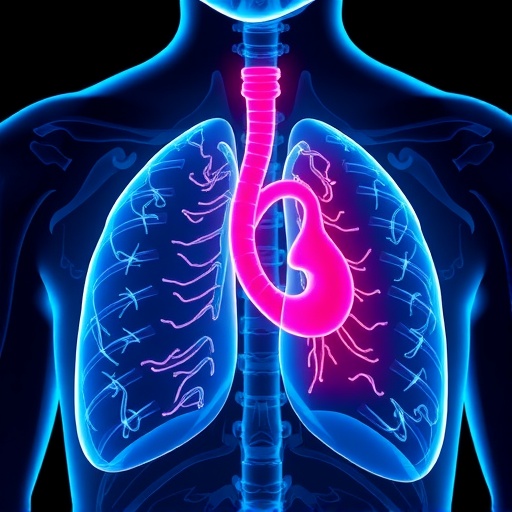
In recent years, the treatment landscape for pulmonary arterial hypertension (PAH) has seen significant advancements, particularly with the introduction of novel therapies. One such innovative treatment is oral treprostinil, a drug that is becoming increasingly important in managing this challenging condition. A recent study conducted by Lachant et al. has provided insightful data on the efficacy and safety of oral treprostinil, especially in patients already receiving background monotherapy or dual therapy for PAH. This groundbreaking research highlights both the potential benefits and challenges of adding oral treprostinil to existing treatment regimens.
Pulmonary arterial hypertension is a progressive disease characterized by elevated blood pressure in the pulmonary arteries, leading to severe complications if not managed properly. Patients often experience debilitating symptoms such as shortness of breath, fatigue, and reduced exercise capacity. The current standard of care includes a variety of pharmacological treatments aimed at vasodilation and symptomatic relief. However, despite available options, many patients do not achieve optimal control of their condition, necessitating the exploration of additional therapeutic avenues.
The study authored by Lachant and colleagues primarily aimed to evaluate the efficacy of oral treprostinil when used in conjunction with existing therapies. By analyzing data from a diverse patient population, the researchers sought to determine whether this oral formulation could enhance outcomes in individuals already stabilized on other PAH medications. Their innovative approach not only contributes to our understanding of PAH treatment but also reinforces the need for comprehensive strategies in managing this complex disease.
In their findings, Lachant et al. reported significant improvements in key clinical endpoints, including exercise capacity and overall quality of life. By employing a rigorous study design, the authors ensured the reliability and validity of their results. Patients receiving oral treprostinil exhibited marked reductions in symptoms and improvements in functional status, which were measured using validated scales. This data provides a compelling argument for clinicians to consider oral treprostinil as a viable treatment option in the management of PAH.
Notably, the safety profile of oral treprostinil observed in this study appears to be favorable. Adverse events, while present, were consistent with the known safety profile of prostacyclin analogs and were generally manageable. The researchers indicated that a careful monitoring strategy could be implemented to mitigate risks, ensuring that patients can benefit from the therapeutic effects of the drug while minimizing potential complications. These safety considerations are crucial, especially in a population that may already be experiencing the burden of multiple medications.
In addition to clinical outcomes, the study also explored the economic implications of introducing oral treprostinil into existing treatment regimens. The cost-effectiveness of this therapy is an increasingly important consideration in the era of precision medicine. The authors suggest that the potential for reduced hospitalizations and improved patient outcomes could offset the costs associated with the new medication, ultimately benefiting healthcare systems and patients alike.
Moreover, the research underscores the importance of individualized therapy in PAH management. Given the heterogeneity of this condition, patients may respond differently to various treatment strategies. The introduction of oral treprostinil allows for greater flexibility in tailoring therapeutic approaches to meet the unique needs of each patient. This personalization of care is vital considering the complexities associated with PAH.
The implications of this study extend beyond the immediate clinical findings. By contributing valuable data on the use of oral treprostinil, Lachant et al. help to pave the way for future research. Continued exploration into combination therapies and innovative treatment modalities is essential to further enhance the care of PAH patients. These insights not only guide clinical decision-making but also open avenues for future clinical trials that could explore additional therapeutic combinations.
Furthermore, the findings can stimulate discussions among healthcare providers, researchers, and policymakers about the optimal management of pulmonary arterial hypertension. As awareness grows regarding the effectiveness of new therapies like oral treprostinil, it can lead to broader adoption and integration into clinical practice guidelines, thereby improving patient outcomes on a larger scale.
In summary, the research conducted by Lachant and colleagues represents a significant contribution to our understanding of PAH treatment dynamics. The efficacy and safety data surrounding oral treprostinil provides a strong argument for its integration into treatment paradigms for patients on monotherapy or dual therapy. As we anticipate future developments in this field, the importance of research like this cannot be overstated, serving as a beacon of hope for patients struggling with this life-altering condition.
The study’s impact is magnified when considering the potential it holds for reshaping treatment protocols for pulmonary arterial hypertension. With growing evidence supporting the combined benefits of various therapeutic approaches, the landscape of PAH management may soon witness transformative changes. Potentially, this could lead to more patients achieving sustained improvement in their condition and an overall better quality of life, underscoring the essential nature of research in the ongoing fight against pulmonary arterial hypertension.
As the scientific community continues to investigate the intricacies associated with PAH, studies such as this provide foundational knowledge that can spur future innovations. By focusing on patient-centered outcomes and safety, researchers reinforce the critical need for drugs like oral treprostinil. The transformative potential of these therapies reminds us that our efforts in research have profound implications on the lives of individuals facing this challenging disease.
In conclusion, the efficacy and safety of oral treprostinil as demonstrated in this study signify a positive step forward in the management of pulmonary arterial hypertension. As healthcare providers, researchers, and stakeholders understand more about the intricate balance of risks and benefits associated with new treatments, we can remain hopeful about the future of PAH therapeutics. This research serves as a clarion call for continued inquiry and innovation in this vital area of healthcare, emphasizing collaboration among all elements of the medical community.
Subject of Research: Efficacy and safety of oral treprostinil in patients with pulmonary arterial hypertension on existing therapies.
Article Title: Efficacy and Safety of Oral Treprostinil in Patients with Pulmonary Arterial Hypertension on Background Monotherapy or Dual Therapy.
Article References: Lachant, D., Raina, A., Krishnan, M. et al. Efficacy and Safety of Oral Treprostinil in Patients with Pulmonary Arterial Hypertension on Background Monotherapy or Dual Therapy. Adv Ther (2026). https://doi.org/10.1007/s12325-026-03497-4
Image Credits: AI Generated
DOI: https://doi.org/10.1007/s12325-026-03497-4
Keywords: pulmonary arterial hypertension, oral treprostinil, efficacy, safety, monotherapy, dual therapy, combination therapy, patient outcomes.
Tags: background monotherapy and dual therapychallenges of PAH managementefficacy of oral treprostinil in PAHinnovative treatments for pulmonary hypertensionnovel therapies for PAHoptimizing PAH treatment regimensoral treprostinil safety and efficacypatient outcomes in pulmonary arterial hypertensionpharmacological treatments for PAHpulmonary arterial hypertension treatment advancementsshortness of breath and PAHvasodilation in PAH therapy