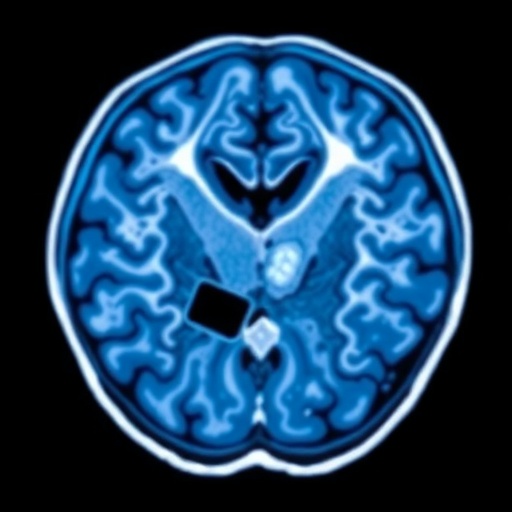
In a groundbreaking study set to be published in 2026, researchers evaluated the efficacy of an artificial intelligence (AI) tool designed for detecting intracranial hemorrhage (ICH) using head computed tomography (CT) scans in children. While AI has made significant strides in various medical applications, this study sheds light specifically on its performance in a pediatric population, aged 6 to 17. The use of AI in medical diagnostics is not only revolutionizing the way we approach healthcare but also potentially transforming outcomes in critical pediatric conditions such as ICH.
Intracranial hemorrhage is a serious medical emergency that can lead to significant morbidity and mortality if not diagnosed and treated quickly. Traditionally, diagnosing ICH has relied heavily on expert radiologists interpreting CT scans. However, this study explores the possibility of enhancing diagnostics through AI, which can analyze vast amounts of imaging data much faster than a human alone. This research aims to determine whether AI, trained predominantly on adult data, can maintain reliability when applied to a younger age group.
The researchers employed a comprehensive methodology. They utilized a state-of-the-art AI algorithm, specifically engineered for ICH detection, and validated it against a large dataset of head CT scans from children. These scans were sourced from diverse clinical settings to ensure a comprehensive evaluation. Notably, the age range of participants ensured a robust analysis of AI responsiveness in varying pediatric demographics. By examining various scenarios and conditions, the study aimed to establish an accurate measure of the AI model’s diagnostic capability, ensuring that it functions effectively across the board.
One significant aspect of the study was the strict criteria set for selecting the head CT scans. The team sought to include only those studies that were indicative of potential hemorrhagic conditions. This selective approach not only illuminated the performance of the AI tool but also its limitations and areas for improvement. The researchers measured sensitivity and specificity metrics, crucial in the medical field, to evaluate the effectiveness and reliability of AI against established diagnostic standards. The implications of these metrics extend beyond mere statistical analysis; they directly correlate with patient safety and treatment outcomes.
Initial findings of the study reveal that the AI tool demonstrated a commendable level of accuracy in detecting ICH in the pediatric cohort, suggesting that it could serve as an additional asset in clinical decision-making processes. While the AI performed exceptionally well in identifying clear cases of hemorrhage, the research also identified scenarios where the model faced challenges. Particularly, subtle cases of ICH that might be easily overlooked by human eyes were highlighted as a key area for the AI’s development. These findings underscore the ongoing need for refinement and retraining of AI systems with diverse and representative pediatric datasets.
The researchers did not overlook the ethical considerations surrounding AI in medicine. They emphasized the importance of ensuring that AI tools do not replace human oversight in diagnostics. While AI can enhance efficiency and accuracy, it must operate as a supportive entity that complements the expertise of seasoned radiologists. The collaborative approach is essential in maintaining high standards of patient care, especially when dealing with vulnerable populations such as children.
Furthermore, the study opens avenues for future research that could explore the integration of AI technology into clinical workflows. The potential to develop AI systems that continuously learn and adapt based on new data presents an exciting frontier in pediatric radiology. This idea reflects the broader movement towards personalized medicine, where treatments and diagnostic tools can be tailored to individual patient needs, thus improving overall healthcare quality and outcomes.
Given the increasing healthcare demands and the growing recognition of pediatric ICH risks, the integration of AI technologies could revolutionize emergency and trauma care. A rapid, accurate AI diagnostic can lead to faster interventions, which is critical in emergencies like ICH. Hence, this study not only contributes to the academic literature but also could inform clinical practice by establishing parameters for the effective use of AI in pediatric care.
As the research continues to evolve, it will be interesting to see how AI tools are perceived across the medical community. Acceptance will depend on the ongoing validation of such technologies and their integration into existing healthcare systems. Continuous engagement and education will be key in bridging gaps between AI advancements and practical applications in clinical environments.
Researchers also stress the importance of collaboration across various sectors – not only within medicine but also involving AI specialists, ethicists, and policymakers. Establishing an interdisciplinary approach will ensure that AI advancements cater effectively to medical needs while also respecting patient rights and safety.
In conclusion, this research marks a significant step forward in understanding the application of AI in pediatric healthcare. As the findings suggest promising results, they pave the way for future innovations that could redefine diagnostic processes within emergency medicine. With ongoing studies and potential subsequent developments, the collaboration between technology and healthcare promises to yield remarkable advancements in the quest to improve outcomes for children suffering from trauma.
As technology continues to shape the future of medicine, studies like this remind us of the potential benefits and innovative pathways that lie ahead in improving diagnostic accuracy and patient care.
Subject of Research: Artificial Intelligence in Pediatric Intracranial Hemorrhage Detection
Article Title: Performance of an adult-trained AI tool for intracranial hemorrhage detection on head CT in children aged 6-17 years.
Article References:
Cavallo, J., Sher, A., Chen, D. et al. Performance of an adult-trained AI tool for intracranial hemorrhage detection on head CT in children aged 6-17 years.
Pediatr Radiol (2026). https://doi.org/10.1007/s00247-026-06527-z
Image Credits: AI Generated
DOI: 31 January 2026
Keywords: Artificial Intelligence, Intracranial Hemorrhage, Pediatric Radiology, CT Scans, Diagnostic Accuracy
Tags: AI algorithm validationAI in pediatric medicineartificial intelligence diagnosticschildhood health outcomesCT scans in childrenfuture of AI in diagnosticsICH diagnosis accuracyintracranial hemorrhage detectionmachine learning in healthcareMedical Imaging TechnologyPediatric Emergency Medicineradiology and AI collaboration