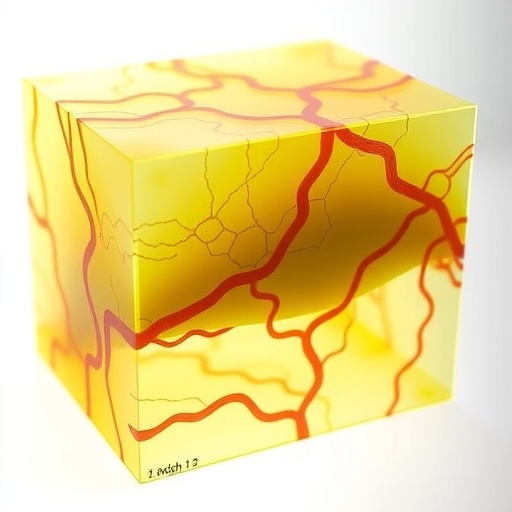
In a groundbreaking study published in Angiogenesis, scientists El-Mallah, Ataie, and Horchler unveil innovative techniques for bioengineering perfusable and reliably patterned microvasculature using granular hydrogel scaffolds and micropuncture methods. This research addresses a critical challenge in regenerative medicine and tissue engineering—the creation of functional vascular networks that are essential for tissue survival and integration. The implications of this work could revolutionize organ transplantation and regenerative therapies by providing researchers with a method to engineer vascular structures that support the nourishment and health of tissues.
The study highlights the need for effective vascularization in artificially created tissues. Without a proper blood supply, engineered tissues face significant limitations in oxygen and nutrient delivery, ultimately leading to necrosis. Microvascular networks play a crucial role in the functionality of tissues, making their engineering a priority in the field. The researchers aimed to overcome the deficiencies of existing methods that often fail to support stable and perfusable vascular structures, setting the stage for the proposed technique.
Using granular hydrogel scaffolds, the researchers crafted a three-dimensional environment conducive to cell growth and organization. These hydrogels possess remarkable properties—biocompatibility, tunable biodegradability, and high water content—that make them ideal for supporting living cells. The granular structure allows for improved nutrient exchange and cell migration while mimicking the extracellular matrix that surrounds natural blood vessels, facilitating the formation of vascular networks.
The micropuncture technique employed in the study further enhances the engineering process by creating micro-channels within the hydrogel. This method not only facilitates the delivery of cells and growth factors into the scaffolds but also creates pathways that resemble natural vasculature. By simulating the mechanics of blood flow, these channels can potentially foster optimal tissue integration and functional vascular assembly.
As the researchers delved deeper into their experiments, they documented the successful integration of vascular cells with the granular hydrogel scaffolds. This integration resulted in the formation of perfusable vascular networks that exhibited structural stability. The significance of this achievement cannot be understated; creating a stable microvasculature could unlock new possibilities for generating complex tissue structures for transplantation or drug testing platforms.
The study also addresses the long-standing issue of graft rejection, a significant concern with vascularized tissue grafts. By utilizing materials that promote biocompatibility, the researchers suggest that their engineered networks could reduce the risk of immune response upon implantation. This advancement could dramatically enhance the viability of transplanted tissues and organs, increasing the effectiveness of regenerative therapies.
Furthermore, the implications of this research extend beyond organ transplantation. The ability to create stable and functional vascular networks opens new doors for drug delivery systems and cancer therapies. Therapeutic agents can be more efficiently administered through engineered vascular structures, ensuring optimal distribution and uptake by target tissues. Likewise, any eluding mechanisms for cancerous cells could be countered with these engineered networks, effectively laying the groundwork for a new age of targeted cancer treatment.
The research team also investigated the scalability of their approach, exploring whether the techniques can be adapted for larger-scale applications. This is crucial, as generating sufficient quantities of vascularized tissue remains a significant hurdle in the field. If successful, the methodologies could be applied not only in laboratory settings but also in clinical applications, improving patient outcomes in numerous medical scenarios.
Data from the in vitro experiments demonstrated that engineered constructs maintained their functionality over extended periods. The studies tracked various metrics, including cellular viability and angiogenic markers, confirming that the vascular networks sustained their integrity and functionality. These results provide a promising outlook for future applications of this technology, signaling that the engineering techniques can be translated from experimental models to real-world medical solutions.
The findings have garnered significant attention from the scientific community, particularly in the realms of tissue engineering, regenerative medicine, and surgical practices. By addressing the critical barrier posed by vascularization in engineered tissues, the researchers have positioned their work as a cornerstone for future studies. The research opens pathways for interdisciplinary collaborations, combining insights from bioengineering, materials science, and clinical medicine.
The breakthroughs described in this study underline the importance of innovation in medical technology. As researchers aim to replicate complex tissue structures found in the human body, approaches such as those presented by El-Mallah and colleagues bring us closer to that goal. The foundation laid by this research could serve as a catalyst for next-generation therapies, potentially altering the approach to treating chronic conditions and facilitating breakthroughs in organ transplantation.
In summary, the work of El-Mallah, Ataie, and Horchler in employing micropuncture and granular hydrogel scaffolds establishes a promising frontier in the development of artificial vascular networks. By crafting stable, functional microvasculature, this research holds the potential to transform how we understand and implement tissue engineering techniques in medicine. The future implications of this study could pave the way for innovative therapies that enhance the quality of life for innumerable patients awaiting tissue transplants or suffering from chronic disease.
The research encapsulates the relentless pursuit of knowledge in the fields of biotechnology and regenerative medicine, highlighting a pivotal moment in the quest for engineered tissues that not only mimic but also function as natural tissues. Successful implementation of such technologies may soon become a standard, unlocking new horizons in personalized medicine and comprehensive therapeutic strategies.
The study represents a significant leap towards overcoming not just the technical hurdles of creating viable tissues but also the underlying biological challenges that have long impeded progress in this field. Ultimately, the ability to engineer stable, perfusable microvasculature is a testament to human ingenuity and the relentless quest for advancement in healthcare, setting the stage for a future where engineered tissues can seamlessly integrate within the human body, significantly enhancing patient outcomes and quality of life.
Subject of Research: Bioengineering of perfusable and patterned microvasculature using micropuncture and granular hydrogel scaffolds.
Article Title: Micropuncture and granular hydrogel scaffolds to surgically bioengineer a perfusable and stably patterned microvasculature.
Article References:
El-Mallah, J.C., Ataie, Z., Horchler, S.N. et al. Micropuncture and granular hydrogel scaffolds to surgically bioengineer a perfusable and stably patterned microvasculature. Angiogenesis 28, 47 (2025). https://doi.org/10.1007/s10456-025-10003-x
Image Credits: AI Generated
DOI: https://doi.org/10.1007/s10456-025-10003-x
Keywords: bioengineering, microvasculature, hydrogel, tissue engineering, regenerative medicine.
Tags: biocompatibility of hydrogelsbioengineering microvasculatureengineered hydrogel scaffoldsmicropuncture methods in researchnutrient delivery in engineered tissuesorgan transplantation innovationsperfusable vascular networksregenerative medicine advancementsstable vascular structures in therapythree-dimensional cell growth environmentstissue engineering techniquesvascularization challenges in tissue