In the realm of cardiovascular research, a significant challenge has emerged surrounding the impact of endothelial dysfunction on patients who have undergone the Fontan procedure. This surgical intervention, primarily indicated for patients with single ventricle defects, redirects systemic venous return to the pulmonary artery, thereby bypassing the right heart. Although the Fontan procedure has dramatically improved survival rates, recent studies, including the work by Baroutidou and colleagues, reveal a complex interplay between the surgical procedure and subsequent vascular health, particularly focusing on endothelial dysfunction.
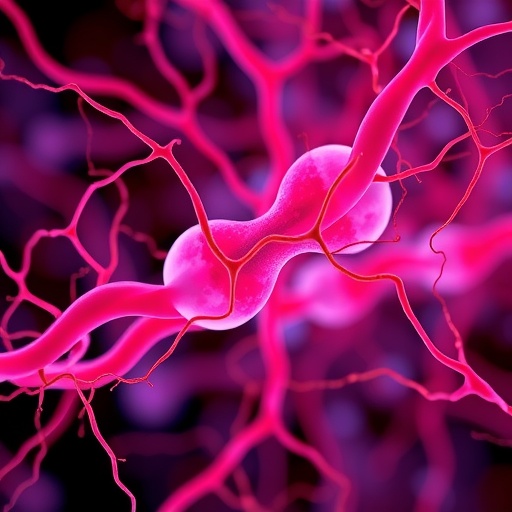
Endothelial cells are pivotal in maintaining vascular homeostasis. They regulate various physiological processes, including vasodilation, inflammation, and thrombosis. In patients with Fontan circulation, there is a marked tendency towards endothelial dysfunction, characterized by impaired nitric oxide production and an imbalance between pro- and anti-inflammatory factors. This condition not only influences hemodynamic stability but also fosters the development of chronic complications, making the understanding of this dysfunction paramount.
The pathophysiology of endothelial dysfunction in Fontan circulation appears to stem from several interrelated mechanisms. First and foremost, the theory of decreased shear stress is critical. In a normally functioning cardiovascular system, blood flow exerts shear stress on the endothelium, stimulating the release of substances crucial for vascular health. However, in the Fontan circulation, altered hemodynamics result in diminished shear stress, which may contribute to the impaired function of endothelial cells and thus promote dysfunction.
Another essential element in this discourse is the role of inflammation. Chronic inflammation is a well-documented consequence of endothelial dysfunction. In patients with Fontan circulation, there is an increase in circulating inflammatory markers, which correlates with the severity of endothelial impairment. This inflammatory milieu may result from the hemodynamic changes associated with the Fontan procedure, leading to a vicious cycle of endothelial injury and dysfunction that exacerbates cardiac and systemic complications.
Moreover, the role of oxidative stress cannot be overstated. Endothelial cells produce reactive oxygen species (ROS) as a response to various stimuli. In patients with Fontan circulation, the excessive generation of ROS can overwhelm the oxidative stress defense mechanisms, leading to cellular damage and functional impairment. This oxidative imbalance likely contributes to the pathophysiological changes observed in the endothelium, reinforcing the need for targeted therapeutic strategies aimed at reducing oxidative stress and improving endothelial function.
The implications of endothelial dysfunction on clinical outcomes are profound. Patients with compromised endothelial function post-Fontan procedure may experience various adverse events, including thromboembolic complications, arrhythmias, and heart failure. The correlation between abnormal endothelial function and cardiovascular morbidity underscores the necessity of careful monitoring of these patients. Timely interventions based on endothelial health may enhance quality of life and longevity in this unique patient population.
Research has pushed forward the notion that rehabilitation of endothelial function could be a viable mechanism for improving the prognosis of Fontan patients. Strategies including lifestyle modifications, pharmacological interventions, and advancements in surgical techniques need further exploration to foster better endothelial health and overall outcomes. Notably, endothelial function can be a target for novel therapeutic approaches, potentially offering hope to those afflicted by the sequelae of the Fontan procedure.
The concept of ‘bench to bedside’ has become more relevant than ever, as the understanding gained from basic science can be directly applicable to clinical practice. Innovations in biochemistry and molecular biology may lead to the identification of biomarkers for endothelial dysfunction, providing a critical tool for clinicians aiming to monitor disease progression and tailor therapy accordingly. This paradigm shift emphasizes the importance of translational research, where scientific discoveries can translate into tangible improvements in patient care.
In a parallel development, the investigation of lifestyle factors, including diet and exercise, presents an exciting opportunity to bolster endothelial function in patients with Fontan circulation. Interventions targeting modifiable risk factors may lead to better outcomes and increased life expectancy. Understanding the role of physical activity in mitigating endothelial dysfunction could pave the way for comprehensive care strategies that integrate medical therapy with lifestyle modifications.
As we delve deeper into the realm of endothelial dysfunction in Fontan circulation, the need for multidisciplinary collaboration is evident. By fostering partnerships between cardiologists, researchers, and allied health professionals, we can develop holistic care strategies that address the multifaceted challenges of managing this complex patient group. Collaborative efforts may lead to innovations in patient education and access to cutting-edge therapies that can significantly impact clinical management.
The future of research in this area holds promise. With ongoing advancements in genetic and proteomic technologies, we may soon uncover the intricate pathways that lead to endothelial dysfunction in Fontan patients. Enhanced understanding at the molecular level will undoubtedly contribute to the development of target-specific therapies that could revolutionize the management of these complex cases.
In conclusion, the exploration of endothelial dysfunction in Fontan circulation is a critical area of investigation that warrants continued focus. The pathophysiology underlying this phenomenon is intricate, involving reduced shear stress, chronic inflammation, and oxidative stress. Understanding these mechanisms is paramount for devising effective interventions that can improve patient outcomes. As researchers and clinicians work collaboratively to bridge the gap between laboratory findings and clinical application, we may soon witness a transformation in the management of endothelial dysfunction, offering hope to a cohort of patients previously facing daunting challenges.
Research outcomes emphasize the importance of targeted studies aimed at addressing the issues of endothelial dysfunction in Fontan patients. Future research endeavors will need to refine our understanding of the nuances of endothelial biology in this unique patient population, leading to innovative therapeutic avenues that enhance cardiovascular health and improve survival.
As we reflect on the significant advancements made in our understanding of the Fontan circulation, it is imperative to remain cognizant of the ongoing challenges that patients face. By remaining committed to research and interdisciplinary collaboration, we stand on the brink of groundbreaking discoveries that can profoundly enhance the quality of life for those affected by congenital heart disease.
Subject of Research: Endothelial Dysfunction in Fontan Circulation
Article Title: Pathophysiology of endothelial dysfunction in Fontan circulation: from bench to bedside and back again
Article References:
Baroutidou, A., Karagiannidis, A.G., Dimitroulas, T. et al. Pathophysiology of endothelial dysfunction in Fontan circulation: from bench to bedside and back again. Angiogenesis 28, 45 (2025). https://doi.org/10.1007/s10456-025-09996-2
Image Credits: AI Generated
DOI: https://doi.org/10.1007/s10456-025-09996-2
Keywords: Endothelial dysfunction, Fontan procedure, cardiovascular health, hemodynamics, inflammation, oxidative stress, clinical outcomes, therapeutic strategies.
Tags: chronic complications post-Fontan surgeryendothelial dysfunction in Fontan patientsFontan procedure complicationshemodynamic stability in Fontan circulationinflammation in cardiovascular researchmechanisms of endothelial dysfunctionnitric oxide and endothelial functionshear stress and endothelial cellssingle ventricle defects treatmentsystemic venous return and pulmonary arteryunderstanding Fontan circulation challengesvascular health in congenital heart disease