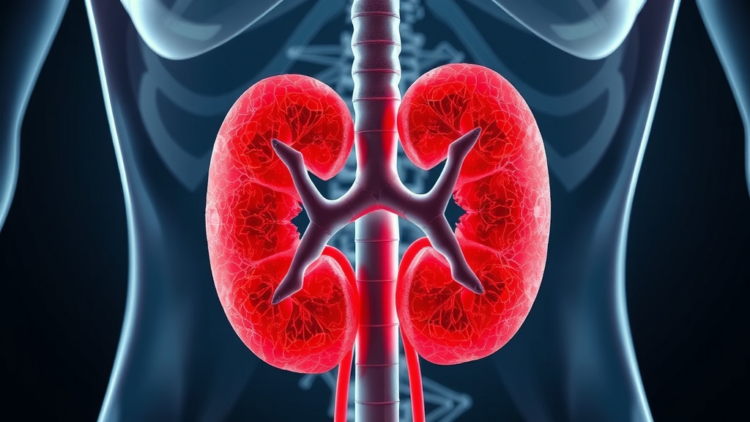
Wilms tumour, known as nephroblastoma, is the most prevalent kidney cancer found in children, characterized by its origin in the embryonic tissues of the kidney. The prognosis for children diagnosed with this type of cancer has dramatically improved over the past few decades. Thanks to groundbreaking collaborations on an international scale and significant advances in pediatric oncology, approximately 90% of children diagnosed with Wilms tumour can now achieve a cure, even in cases where the disease has metastasized. However, as survival rates continue to climb, the focus has shifted toward understanding and mitigating the long-term repercussions of the treatment methods employed to combat this malignancy.
The principal therapies administered for managing Wilms tumour include nephrectomy—the surgical removal of the affected kidney—and chemotherapy, which works to eradicate cancer cells throughout the body. Radiotherapy, although less common, is selectively applied in specific scenarios. While these treatments have yielded promising results, they can also give rise to a variety of long-term health complications. Survivors often face the prospect of chronic kidney disease, infertility, the development of secondary malignancies, and cardiovascular complications. This underscores the need for ongoing research aimed at refining and individualizing treatment protocols to minimize these adverse effects.
Emerging evidence points to the lasting impact of Wilms tumour therapies on overall health, prompting extraordinary interest in therapy de-escalation strategies. Many institutions are now conducting extensive cohort studies to track the long-term outcomes and health conditions arising in survivors of Wilms tumour. These studies not only help in identifying the specific chronic conditions associated with certain therapeutic regimens but also illuminate the varying susceptibilities among survivors concerning treatment-related toxic effects. A deeper understanding of these relationships will be crucial for healthcare professionals providing follow-up care.
As we analyze the effects of current Wilms tumour treatments, it is vital to emphasize the risk factors leading to chronic health issues. As clinicians gather more data from survivor cohorts, they can begin to delineate which populations are more vulnerable to specific treatment-related morbidities. This will enable oncologists and primary care providers to implement more effective survivorship care plans. With detailed assessments, healthcare professionals could develop a framework for stratifying survivors based on their risk of long-term health complications stemming from their cancer treatment.
The importance of tailored follow-up monitoring cannot be overstated. Children who have battled Wilms tumour require not only routine examinations to gauge remission but also comprehensive health assessments that address the specific risks incurred during their treatment. Tailoring survivorship care in alignment with the findings of these ongoing studies will lead to better health outcomes and improved quality of life for these young survivors.
An integral aspect of survivorship care includes educating both patients and their families about potential long-term health consequences associated with Wilms tumour therapies. Survivors may be unaware of the risks, such as cardiovascular disease or the possibility of subsequent cancers. By fostering awareness, healthcare providers can encourage survivors to make informed lifestyle choices that may help mitigate some of these risks. For example, recommendations for regular cardiovascular screening or lifestyle changes such as improved diet and increased physical activity could become an essential component of survivorship care.
The evolution of Wilms tumour treatment reflects a broader trend in pediatric oncology toward risk-adapted therapy, which seeks to balance the potential benefits of aggressive treatment against the risk of long-term harm. Understanding the biological behavior of Wilms tumour at a molecular level will play a pivotal role in defining future treatment regimens. Genomic profiling of tumours may reveal significant insights into the underlying mechanisms of the disease, paving the way for more precise and personalized therapy.
Moreover, as we gain further insights into the molecular and genetic landscape of Wilms tumour, research can shift towards targeted therapies, which may spare patients from the extensive side effects associated with conventional treatment approaches. The identification of biomarkers that predict susceptibility to adverse effects could transform how oncologists approach therapeutic decision-making, offering tailored strategies that minimize toxicity while optimizing curative efforts.
As the medical community strives for excellence in Wilms tumour management, it must also grapple with the ethical implications of treatment choices. For instance, the dilemma of choosing aggressive therapy for a child with localized disease poses questions regarding not just survival but the quality of that survival. Patients and their families must be armed with knowledge and involved in discussions about the long-term implications of treatment options. This comprehensive approach will allow for more collaborative decision-making in the realm of pediatric oncology.
Survivorship becomes an all-encompassing narrative when considering the emotional and psychological implications of surviving cancer at a young age. The experience of Wilms tumour can have profound effects on one’s mental health, necessitating supportive frameworks that extend beyond physical health monitoring. Schools, communities, and family networks must participate in creating an environment that supports emotional well-being, ensuring that survivors do not navigate this journey in isolation.
Institutional policies should evolve in concert with these understandings, promoting integrated health care pathways that emphasize the multifaceted needs of Wilms tumour survivors. Future research investments will be vital in shaping care standards, ensuring that the novel insights gleaned from survivors’ experiences translate into broader systemic changes in how pediatric oncology addresses survivorship.
In summary, as we celebrate the milestones achieved in treating Wilms tumour, it is paramount that we remain vigilant about the long-term consequences of these treatments. The journey from diagnosis through treatment and into survivorship is complex and laden with challenges. By fostering a collaborative environment among researchers, healthcare providers, and survivors, we can usher in a new era of Wilms tumour care that places equal importance on quality of life as on mere survival. Continued research focused on de-escalation strategies, risk stratification, and individualized care will further enhance our understanding and approach to this prevalent childhood malignancy.
The future of Wilms tumour management looks promising, but to fully realize the potential for even better outcomes, we must prioritize not only the cure but the holistic recovery of those who have bravely fought this disease. As the field develops, the hope remains that every child’s journey can be met with compassion, understanding, and the best care possible, allowing young survivors to thrive today and into their futures.
Subject of Research: Long-term health effects of Wilms tumour therapies and survivorship planning
Article Title: Long-term adverse effects of modern Wilms tumour therapies: implications for monitoring
Article References:
Spreafico, F., Gattuso, G., Podda, M.G. et al. Long-term adverse effects of modern Wilms tumour therapies: implications for monitoring.
Nat Rev Urol (2026). https://doi.org/10.1038/s41585-026-01126-x
Image Credits: AI Generated
DOI:
Keywords: Wilms tumour, nephroblastoma, pediatric oncology, survivorship, therapy de-escalation, treatment-related morbidity.
Tags: cardiovascular issues after Wilms tumor therapychemotherapy side effects in childrenchronic kidney disease in cancer survivorsindividualized treatment protocols for cancer careinfertility risks post cancer treatmentmonitoring Wilms tumor survivorsnephrectomy impact on healthnephroblastoma treatment complicationspediatric oncology advancementsradiotherapy implications for pediatric patientssecondary malignancies in Wilms tumor survivorsWilms tumor long-term effects